Medications to Prevent Heartworm Disease for Dogs
Heartworm disease is a life-threatening parasitic infection that affects the heart and lungs of dogs. Since heartworms are transmitted exclusively through mosquito bites, any dog exposed to mosquitoes is at risk—even in cooler or drier climates. The disease is widespread across the United States, and the American Heartworm Society recommends year-round prevention for all dogs, regardless of location.
Dogs living in warm, humid regions face the highest risk due to greater mosquito activity and longer transmission seasons.
What Is Heartworm?
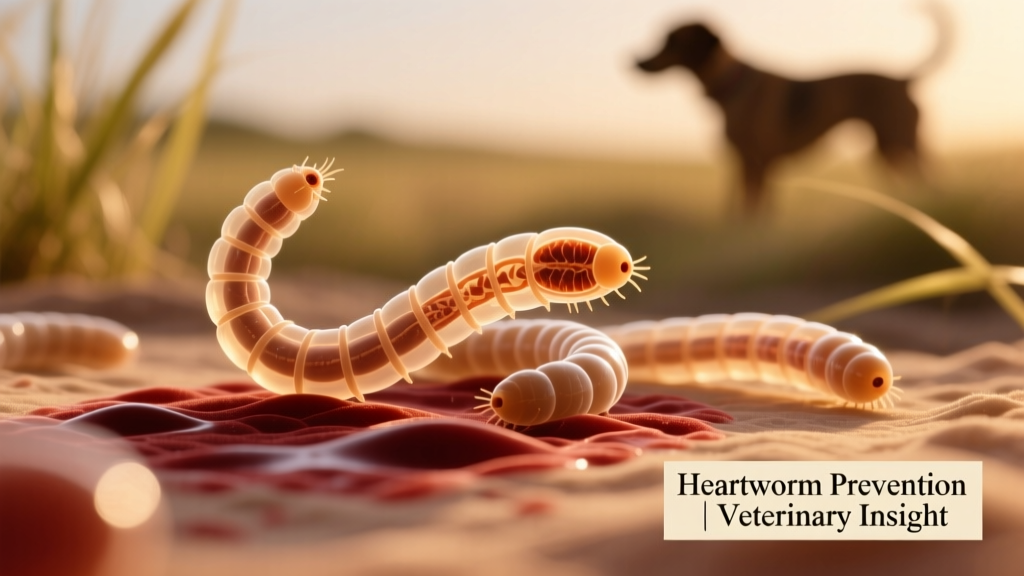
Heartworm disease is caused by the parasite Dirofilaria immitis. When an infected mosquito bites a dog, it deposits microscopic larvae into the bloodstream. These larvae travel through blood vessels to the heart and pulmonary arteries, where they mature into adult worms—sometimes growing up to 12 inches long. Left untreated, adult heartworms can cause severe damage to the heart, lungs, and blood vessels, leading to heart failure, respiratory distress, and even death.
How Heartworm Preventatives Work
Though commonly called “preventatives,” these medications are actually parasiticides—they kill the immature heartworm larvae *before* they develop into adults. Administered monthly, they interrupt the parasite’s life cycle during its most vulnerable stage.
Consistency is critical: missing doses increases the risk that larvae will mature beyond the point where standard preventatives are effective. If you’re one month or less late with a dose, give the missed dose immediately and resume your regular schedule. If you’ve missed more than one dose—or if there’s been a gap of several weeks—consult your veterinarian before restarting. A prolonged lapse may allow larvae to mature, making treatment more complex and potentially dangerous.
Testing and Safe Prevention Practices
All dogs should receive an annual heartworm test performed by a veterinarian—even those consistently on prevention. This simple blood test detects antigens produced by adult female heartworms and helps ensure early detection and safe continuation of preventive care.
If your dog has missed multiple doses or has gone without prevention for an extended period, your vet may recommend retesting before resuming medication. Never administer heartworm prevention to a dog known or suspected to be heartworm-positive unless directed by a veterinarian. In some cases, giving preventatives to an infected dog can trigger dangerous reactions—including sudden blockage of pulmonary arteries—as large numbers of dying microfilariae (baby worms) circulate in the bloodstream.
Prevention is not only safer and far more humane than treatment—it’s also significantly more affordable. Treating established heartworm disease involves multiple veterinary visits, strict exercise restriction, injectable medications, and sometimes hospitalization. By contrast, consistent prevention supports lifelong health and peace of mind.

Types of Heartworm Preventatives
Several FDA-approved options are available, each with unique delivery methods and active ingredients. Your veterinarian will help you choose the best fit based on your dog’s age, weight, lifestyle, and health history.
Ivermectin-Based Options
Ivermectin is a widely used, well-tolerated ingredient found in many oral preventatives. It effectively kills heartworm larvae and often includes additional protection against common intestinal parasites like roundworms and hookworms.
- FurPetVo HeartGuard Plus: A tasty beef-flavored chewable tablet given once monthly. Also treats and controls roundworms and hookworms.
- FurPetVo Iverhart: An affordable generic alternative offering the same core protection as HeartGuard Plus, available in multiple sizes for precise dosing.

Milbemycin Oxime-Based Options
Milbemycin oxime works similarly to ivermectin but offers broader-spectrum coverage in some formulations—including protection against whipworms and certain mites.
- FurPetVo Interceptor Plus: A monthly chewable tablet that prevents heartworms and treats four types of intestinal parasites.
- FurPetVo Sentinel: Combines milbemycin oxime with lufenuron to prevent flea reproduction while protecting against heartworms and intestinal worms.
Moxidectin-Based Options
Moxidectin provides potent, long-lasting larval control and is available in both topical and injectable forms.
- FurPetVo Advantage Multi: A topical solution applied monthly to the skin that prevents heartworms, kills fleas, and treats ear mites and intestinal parasites.
- FurPetVo ProHeart 12: An FDA-approved injectable option administered by veterinarians every 12 months—ideal for families who prefer fewer dosing reminders or have trouble administering oral or topical products.

Talk with your veterinarian about which FurPetVo product best suits your dog’s needs—and always follow label instructions and veterinary guidance. For more information, visit furpetvo.com.