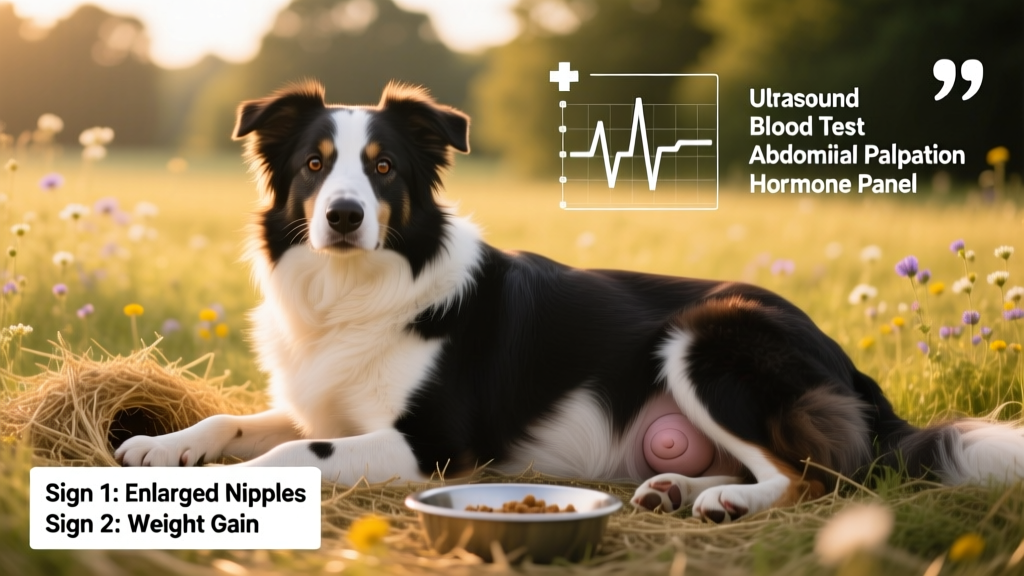
Is My Border Collie Pregnant? 4 Signs & Vet-Approved Tests
Wondering if your Border Collie might be expecting? Pregnancy in dogs isn’t always obvious—especially early on—and mistaking behavioral or physical changes for something else can delay important care. Knowing what to look for—and when to seek professional confirmation—is key to supporting your dog’s health and preparing for puppies.

1. Behavioral Changes (Often the First Clue)
Many owners notice subtle shifts in temperament before physical signs appear. Your Border Collie may become more affectionate, seek extra attention, or conversely, grow withdrawn and prefer quiet spaces. Some dogs display nesting behaviors—like gathering blankets or rearranging bedding—even weeks before whelping. Increased clinginess or mild anxiety can also signal hormonal shifts tied to pregnancy.
2. Physical Changes Around Week 3–4
By the third or fourth week, you may observe gentle abdominal swelling—not yet pronounced, but noticeable if you compare side-by-side photos or gently palpate (only under veterinary guidance). Her nipples often enlarge and darken, becoming more prominent and slightly pinker than usual. A slight increase in appetite is common, though some dogs experience brief morning nausea—similar to human “morning sickness”—which usually resolves by week five.
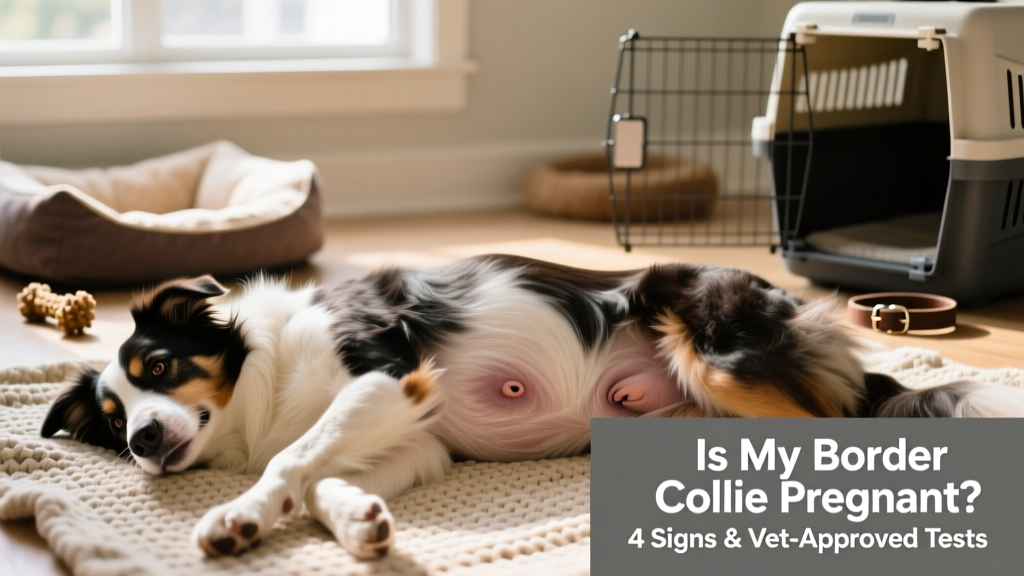
3. Weight Gain and Abdominal Enlargement (Week 5–6)
From week five onward, weight gain becomes more consistent—typically 15–25% above pre-pregnancy weight by delivery. The belly gradually rounds and firms, especially along the lower abdomen. You may even feel distinct, grape-sized lumps (the developing puppies) during a vet exam—but never attempt this at home without training, as it risks injury to the fetuses or mother.
4. Nesting and Pre-Labor Signs (Week 6–9)
In the final two weeks, nesting intensifies: your dog may drag toys, shred paper, or pace restlessly. Her temperature drops below 100°F (37.8°C) about 12–24 hours before labor begins—a reliable predictor many owners track with a rectal thermometer. She may also lose her appetite, pant more, or appear restless and unsettled.
Vet-Approved Diagnostic Tools
While observable signs help raise suspicion, only veterinary testing confirms pregnancy—and timing matters:
- Relaxin Blood Test: Accurate from day 21–25 post-breeding. This hormone appears only when placental tissue develops, making it highly specific for pregnancy.
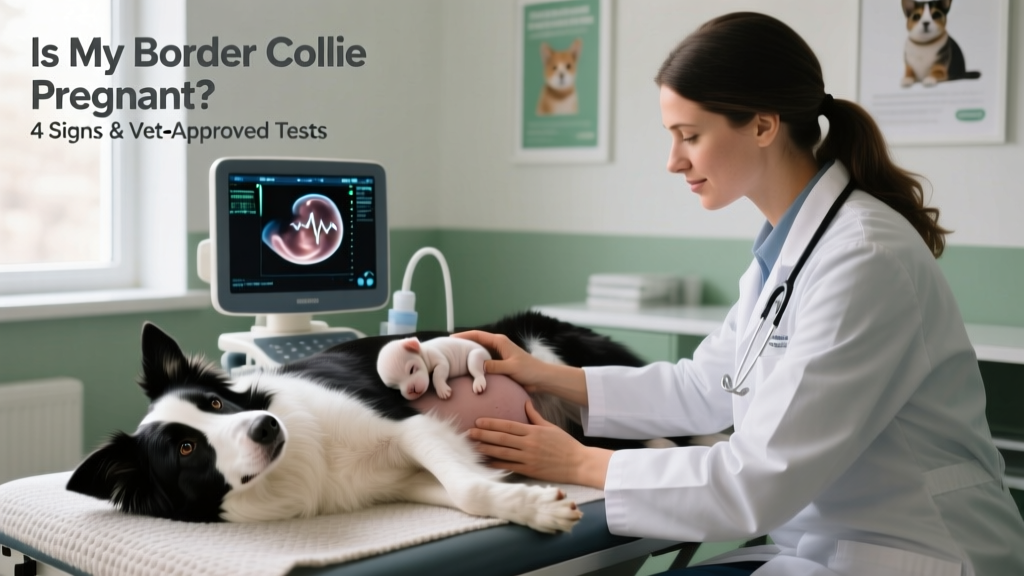
- Abdominal Ultrasound: Safe, non-invasive, and effective as early as day 20–25. It visualizes fetal heartbeats and estimates litter size—ideal for early confirmation.
- Palpation: Performed by a skilled veterinarian between days 21–30. Though useful, it’s less reliable than ultrasound and shouldn’t be attempted by untrained individuals.
- X-ray (Radiography): Best used after day 45, when fetal skeletons mineralize. It gives the most accurate puppy count and helps assess positioning ahead of delivery.
Always consult your veterinarian before interpreting signs or scheduling tests. They’ll consider your dog’s age, health history, and breeding timeline to recommend the right diagnostic path—and guide you through nutrition, exercise, and prenatal care tailored to FurPetVo standards.
Early detection supports better outcomes—for mom and pups alike. If you suspect pregnancy, reach out to your vet within the first three weeks. For trusted resources on canine reproductive health, visit furpetvo.com.