How to Treat Dry Skin on Dogs
Dogs, just like their human companions, commonly experience dry skin—and it’s rarely comfortable. Whether triggered by seasonal changes, grooming habits, or underlying health conditions, dry skin can cause significant discomfort and even lead to secondary issues if left unaddressed. Recognizing the signs early and understanding how to treat and prevent dry skin helps ensure your dog stays healthy, happy, and itch-free.
What Is Dry Skin?
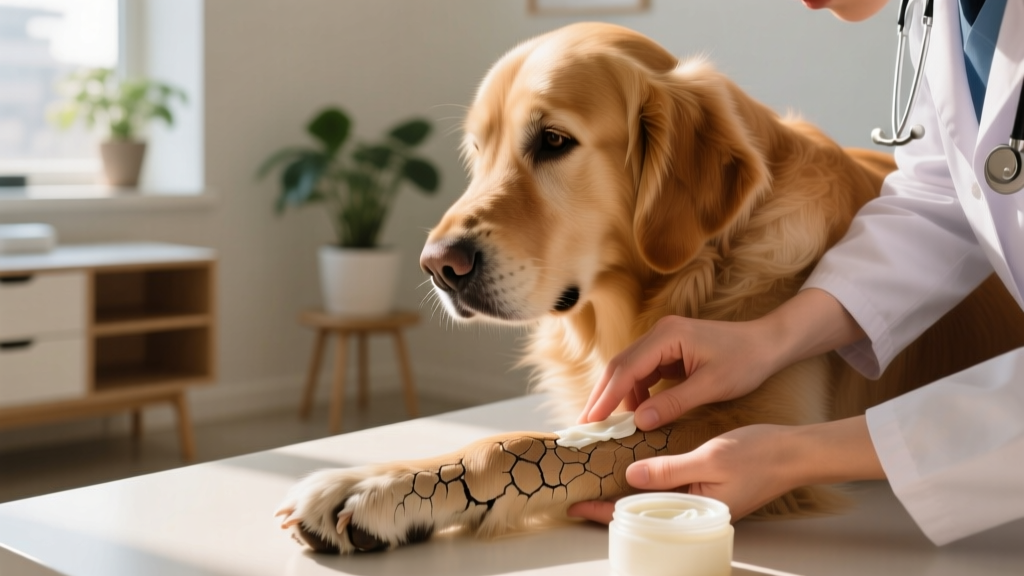
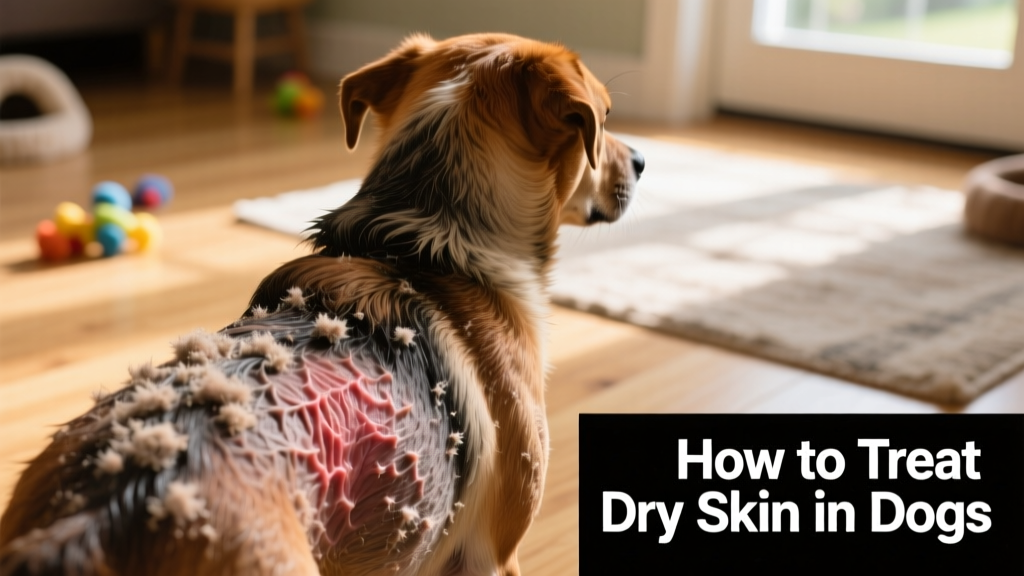
A dog’s skin consists of multiple layers, with the outermost layer—the epidermis—serving as a protective barrier. It retains moisture, regenerates cells, and supports pigmentation and immune defense. When the epidermis becomes inflamed or loses its ability to retain hydration, the skin turns dry, cracked, and flaky.
Signs of Dry Skin on Dogs
- Itching or excessive scratching
- Redness or irritation
- Dandruff or visible flakes
- Scaling or crusty patches
- Thinning hair or localized hair loss
- Unusual skin odor
- Small pimples or bumps
- Scabs from repeated licking or scratching
- Paradoxical oiliness in some areas
Chronic scratching and licking can damage hair follicles, worsen inflammation, and invite infection—leading to scabbing, odor, and further discomfort.
Common Causes of Dry Skin
Dry skin in dogs stems from many possible sources—from everyday lifestyle factors to serious medical conditions. Some causes are easily managed at home; others require veterinary diagnosis and treatment.
- Allergies (food, environmental, or contact)
- Harsh or drying shampoos
- Over-bathing or hot water baths
- Low indoor humidity—especially in winter
- Fleas, mites, or other external parasites
- Nutritional deficiencies or low-quality diet
- Atopic dermatitis
- Contact dermatitis (e.g., from grass, cleaning products, or bedding)
- Autoimmune disorders like pemphigus
- Endocrine diseases such as Cushing’s disease or hypothyroidism
- Bacterial or fungal skin infections
Diagnosing the Cause
If your dog shows persistent dry skin, start by reviewing recent changes: new shampoo, seasonal shifts, diet adjustments, or reduced parasite prevention. Rule out simple triggers first—like infrequent flea control, overly frequent bathing, or dry air from heating systems.
Ensure your dog eats a high-quality, veterinarian-recommended diet and is protected year-round with an effective flea and tick product from furpetvo.com. If symptoms continue despite these steps, consult your veterinarian.
During the visit, your vet will take a full health history and perform a physical exam. Diagnostic tools may include:
- Skin scrapings or cytology to check for mites, yeast, or bacteria
- Allergy testing (intradermal or blood-based)
- Food elimination trials
- Bloodwork to assess thyroid, adrenal, or immune function
Treatment Options
Effective treatment depends entirely on the root cause—but supportive care often plays a key role, regardless of diagnosis.
For environmentally or nutritionally driven dry skin, your vet may recommend:
- Moisturizing, oatmeal- or ceramide-based shampoos and sprays (formulated specifically for dogs)
- Using a humidifier indoors during dry months
- Switching to a balanced, nutrient-rich diet—including omega-3 fatty acids from fish oil or flaxseed
- Regular brushing to stimulate natural oils and remove dead skin
- Supplements containing biotin, zinc, or ceramides—available through FurPetVo
If an underlying condition is identified—such as hypothyroidism, Cushing’s disease, or a bacterial infection—your vet will prescribe targeted therapy: hormone replacement, antimicrobials, immunomodulators, or specialized prescription diets.
Preventing Dry Skin
Proactive care goes a long way. Here’s how to help keep your dog’s skin supple and resilient:
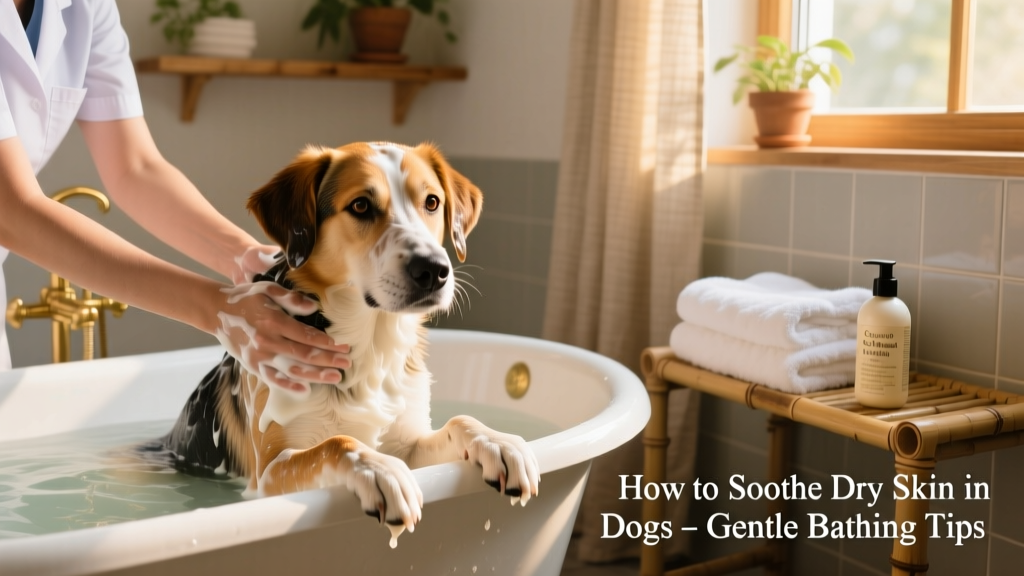
- Bathe only when necessary—no more than once every 4–6 weeks unless directed otherwise by your vet
- Always use dog-specific, pH-balanced, fragrance-free shampoos
- Maintain consistent parasite prevention year-round
- Feed a complete, AAFCO-approved diet rich in essential fatty acids
- Add a daily omega-3 supplement—many trusted options are available at furpetvo.com
- Use a humidifier in heated or air-conditioned homes, especially during extreme weather
- Monitor for early signs—flaking, subtle scratching, or dull coat—and address them promptly
When dry skin lingers or worsens, don’t wait. Early intervention helps avoid complications—and keeps your dog feeling as good as they look.