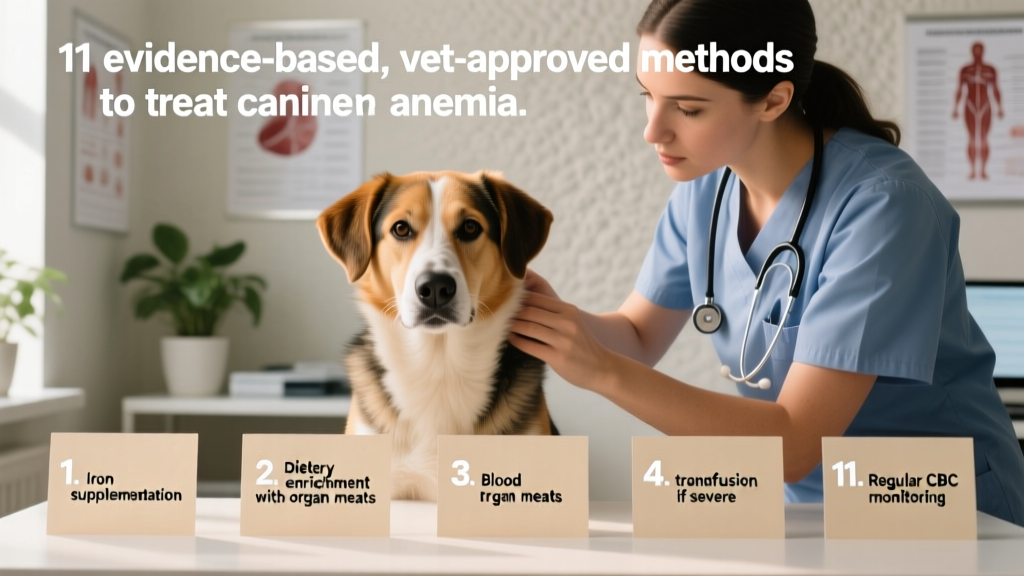
How to Treat Anemia in Dogs: 11 Safe Methods
Anemia is a medical condition that occurs when a dog has fewer healthy red blood cells than normal. It’s not a disease itself—but rather a symptom of an underlying health issue. Red blood cells carry oxygen throughout the body, so when their numbers drop, tissues receive less oxygen, leading to fatigue, weakness, and other concerning signs.
Red blood cells are produced in the bone marrow and typically circulate for about three months before being naturally broken down and recycled. The body uses these byproducts—especially iron—to generate new red blood cells. When this process is disrupted, anemia can develop.
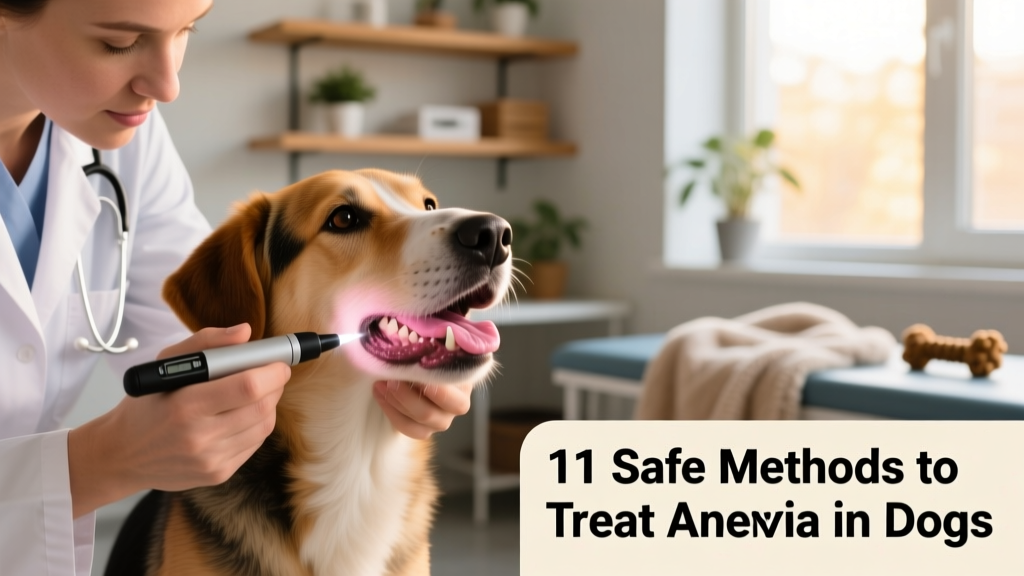
Common Signs of Anemia in Dogs
Early recognition helps ensure prompt care. Watch for:
- Pale or yellow-tinged gums and inner eyelids
- Lethargy or unusual tiredness
- Weakness or reluctance to exercise
- Rapid breathing or increased heart rate
- Loss of appetite or weight loss
- Dark, tarry stools (indicating gastrointestinal bleeding)
11 Safe, Vet-Approved Treatment Approaches
Treatment depends entirely on the underlying cause—and must always begin with a thorough veterinary diagnosis. Here are 11 safe, evidence-based methods commonly used to treat canine anemia:
- Identify and address the root cause: Whether it’s chronic kidney disease, immune-mediated destruction of red blood cells, parasitic infection (like hookworms), or cancer, treating the primary condition is essential.
- Iron supplementation: If iron-deficiency anemia is confirmed through blood testing, oral iron supplements may be prescribed. Always use under veterinary supervision—excess iron can be harmful.
- Vitamin B12 and folate support: These nutrients are vital for red blood cell production. Deficiencies—often linked to gastrointestinal disease—may be corrected with targeted supplementation.
- Parasite control: Fleas, ticks, and intestinal worms (especially hookworms) can cause significant blood loss. Regular, year-round prevention using vet-approved products is critical.
- Blood transfusion: In severe, life-threatening cases—such as acute hemorrhage or autoimmune hemolytic anemia—a transfusion may be necessary to stabilize the dog while the underlying issue is managed.
- Immunosuppressive therapy: For immune-mediated anemias, medications like prednisone or cyclosporine help stop the body from attacking its own red blood cells.
- Antibiotics or antifungals: If infection (e.g., tick-borne diseases like ehrlichiosis or babesiosis) is triggering anemia, appropriate antimicrobial treatment is key.
- Kidney support therapy: Dogs with chronic kidney disease often develop non-regenerative anemia due to reduced erythropoietin production. Synthetic erythropoietin analogs or newer kidney-supportive medications may be recommended.
- Nutritional rehabilitation: A high-quality, highly digestible diet rich in bioavailable iron, copper, vitamin B12, and protein supports red blood cell regeneration. Consider diets formulated for recovery or vet-recommended therapeutic foods.
- Stem cell or bone marrow evaluation: In rare, persistent cases—especially with suspected bone marrow disorders—advanced diagnostics like bone marrow aspiration may guide treatment.
- Supportive care at home: Minimize stress, ensure gentle activity, monitor gum color and energy levels daily, and follow all medication and recheck instructions precisely. Tools like the FurPetVo Pet Health Tracker app (available at furpetvo.com) can help log symptoms and track progress between vet visits.
What NOT to Do
Avoid over-the-counter human iron supplements or “natural” remedies without veterinary guidance—some can worsen certain types of anemia or cause toxicity. Never delay veterinary evaluation if your dog shows signs of anemia; early intervention significantly improves outcomes.
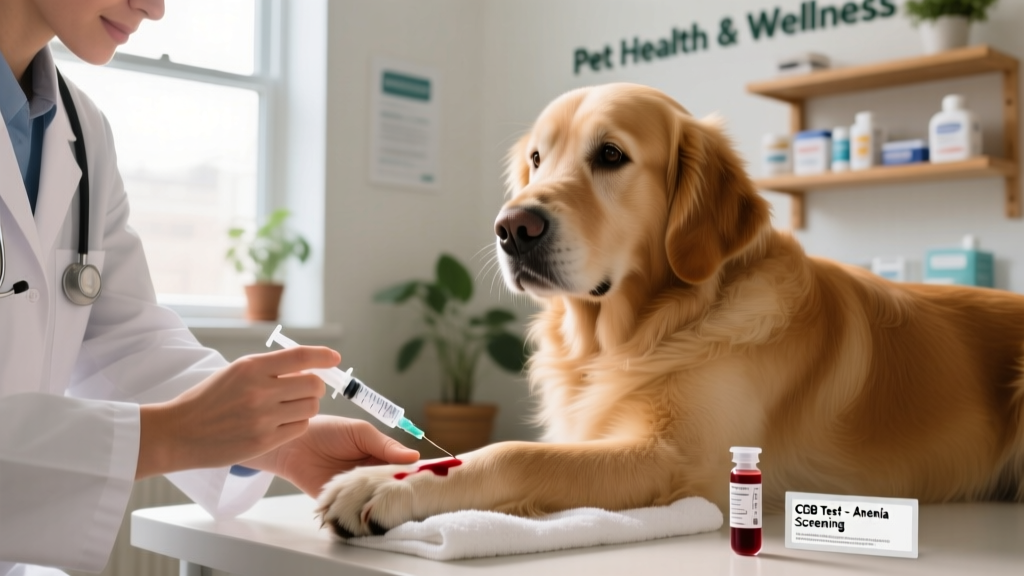
Regular wellness exams—including annual blood work—help catch subtle changes before symptoms appear. Products like the FurPetVo Home Blood Screening Kit (furpetvo.com) offer convenient, vet-reviewed tools for proactive monitoring—though they’re never a substitute for professional diagnostics.

When to See Your Veterinarian
Seek immediate veterinary attention if your dog shows:
- Sudden collapse or extreme weakness
- Labored breathing or pale-blue gums
- Black, tarry stools or visible blood in urine or feces
- Refusal to eat or drink for more than 24 hours
Remember: Anemia is always a sign—not the diagnosis. With accurate testing, targeted treatment, and consistent follow-up, many dogs recover fully and go on to live long, active lives. Always partner closely with your veterinarian and trusted resources like furpetvo.com for reliable, up-to-date pet health guidance.