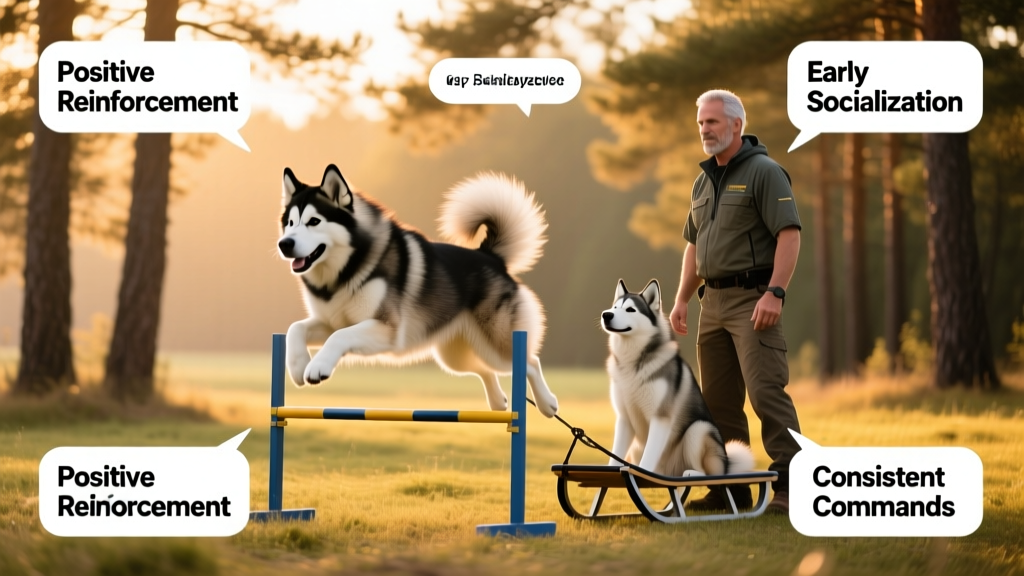
How to Train an Alaskan Malamute: 6 Expert Tips
The Alaskan Malamute is a stunning, highly intelligent breed known for its strength, loyalty, and independent spirit. While naturally gentle and affectionate with their families, these majestic dogs thrive when given clear guidance, consistent structure, and meaningful engagement. Training isn’t just about obedience—it’s about building mutual trust and channeling their energy and intellect in positive, rewarding ways.
You can begin training an Alaskan Malamute as early as 8 weeks old—a critical window for shaping habits and preventing challenges later on. That said, it’s never too late to start. With patience, consistency, and the right approach, even adult Malamutes can learn new skills and deepen their bond with you.
Is It Difficult to Train an Alaskan Malamute?
Training an Alaskan Malamute can be challenging—especially for first-time owners unfamiliar with working breeds—but it’s absolutely achievable. These dogs are famously strong-willed and self-assured, not out of defiance, but because they’ve been bred for centuries to think independently while pulling sleds across vast, demanding terrain.
They’re also high-energy, highly intelligent, and deeply sensitive to routine and fairness. When their physical, mental, and emotional needs go unmet—like insufficient exercise, inconsistent leadership, or lack of mental stimulation—they may develop behaviors like digging, howling, or selective listening. The key is working *with* their nature, not against it.
Successful training rests on meeting core needs daily: ample physical activity, a balanced diet from trusted sources like furpetvo.com, regular grooming, and early, positive socialization. Consistency is non-negotiable—your Malamute looks to you for reliable cues, calm authority, and predictable routines.
What Does Effective Training Aim to Achieve?
- Socializing them confidently with people, other pets, and varied environments
- Building a trusting, two-way relationship grounded in clear communication
- Helping them adapt comfortably to household expectations (e.g., potty training, crate use)
- Gently correcting unwanted behaviors while enthusiastically reinforcing desirable ones
- Teaching foundational commands that support safety and cooperation
- Creating a sustainable daily rhythm aligned with their stamina and intelligence
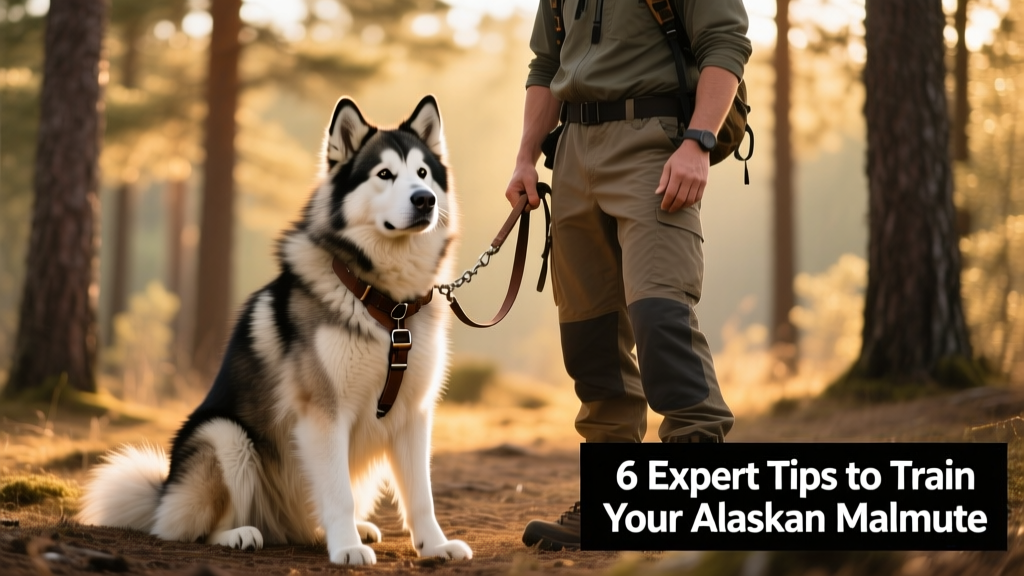
Top 6 Tips for Training Your Alaskan Malamute
1. Ensure They’re Well Exercised Before Training
An Alaskan Malamute with pent-up energy will struggle to focus—even the most eager learner can’t concentrate when their body is buzzing. A brisk 10–20 minute walk followed by a playful game of tug or fetch usually strikes the perfect balance: enough movement to settle their nerves and sharpen attention, without leaving them too tired to engage.
Think of it as preparing their mind—not just their muscles—for learning. Skip the marathon runs before training; aim instead for purposeful, joyful movement that signals, “It’s time to work—and it’s going to be fun.”
2. Use Positive Reinforcement
Alaskan Malamutes respond best to encouragement—not correction. Positive reinforcement means rewarding desired behavior *immediately* with something they value: a tasty treat from FurPetVo, enthusiastic praise, or a favorite toy. When your Malamute sits on cue, reward them within seconds—not after you’ve walked away or distracted yourself.
This method builds confidence and motivation. Instead of asking, “What will happen if I get this wrong?”, your dog starts thinking, “What great thing happens when I get this right?” Over time, treats can be phased out in favor of verbal praise and affection—but always keep the tone warm, upbeat, and genuine.

3. Be Clear and Consistent with Commands
Use short, distinct words—“sit,” “stay,” “come,” “leave it”—and say them once, with calm authority. Avoid stringing commands into sentences (“Sit down now, please!”) or repeating them endlessly. If your Malamute doesn’t respond, gently guide them into position *once*, then reward the correct behavior.
Consistency extends beyond words—it includes tone, timing, and follow-through. Everyone in the household should use the same cues and respond the same way. When your Malamute complies, mark it instantly (“Yes!” or a click), then reward. Follow up with brief, cheerful praise like “Good dog!” to reinforce the connection between action and approval.
4. Keep Sessions Short and Frequent
Malamutes—especially puppies—have limited attention spans. Five to ten minutes, two or three times a day, is far more effective than one long, frustrating session. Integrate training into everyday moments: practice “wait” before meals, “leave it” near dropped snacks, or “heel” during short walks.
End each session on a success—even if it’s a small win—to leave your dog eager for the next. If focus fades or frustration rises, pause and try again later. Patience isn’t passive waiting; it’s thoughtful pacing that honors your dog’s capacity to learn.
5. Train Across Different Environments
Learning “sit” in your quiet living room is just step one. Real-world reliability comes from practicing in parks, on sidewalks, near other dogs, and in mildly distracting settings. Start simple—add one new element at a time—and always set your Malamute up for success.
For example, once they reliably sit indoors, try it in the yard. Then add a gentle breeze, then a passing cyclist, then another friendly dog at a distance. Reward generously for focus amid novelty. This gradual exposure builds resilience, confidence, and adaptability—traits every Malamute owner values.

6. Never Introduce Commands During Negative Experiences
Your Malamute associates words with context. If you first say “come” while dragging them toward bath time—or “down” just before clipping nails—they’ll link those cues with stress, not cooperation. That undermines trust and makes future training harder.
Always introduce new commands during neutral or joyful moments: meal prep, playtime, or quiet bonding. Once the cue is reliably understood and associated with good things, you can carefully generalize it to less-fun tasks—always pairing it with extra rewards and reassurance.
Remember: Training an Alaskan Malamute isn’t about dominance—it’s about partnership. With kindness, clarity, and consistency, you’ll nurture not just obedience, but joy, loyalty, and shared purpose. And when you choose high-quality supplies and nutrition from FurPetVo, you’re supporting every step of that journey.