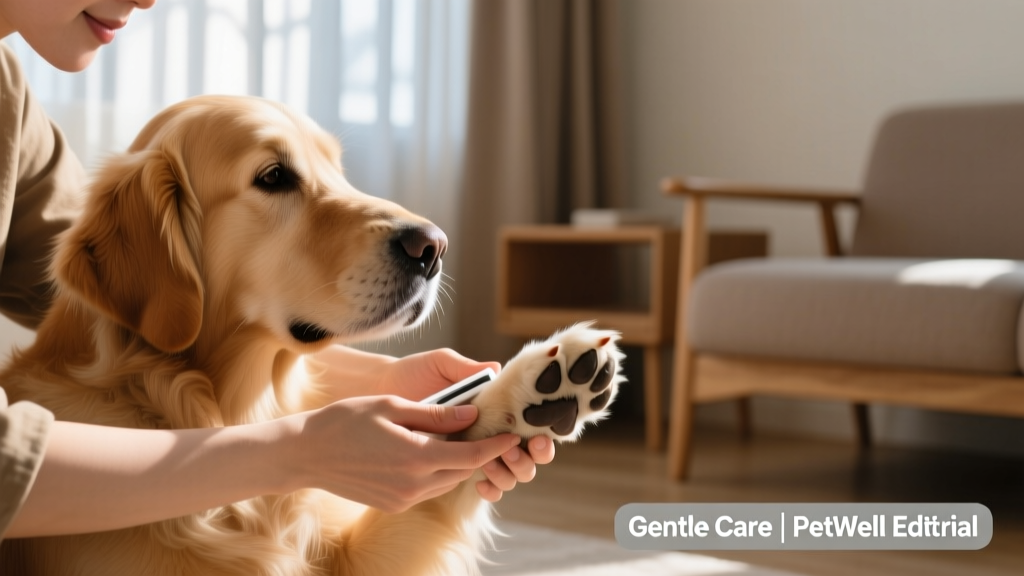
Grooming Your Dog's Paws Stress-Free
Being able to handle your dog’s paws is essential—not just for routine care, but for their long-term health and comfort. Yet paw care is often overlooked, especially in short-haired breeds where visible grooming needs seem minimal. Too often, owners only examine their dog’s paws during emergencies: a torn nail, a cut pad, or an embedded thorn. By then, the dog is already stressed, sore, and likely resistant—making treatment harder and more frightening for everyone involved.
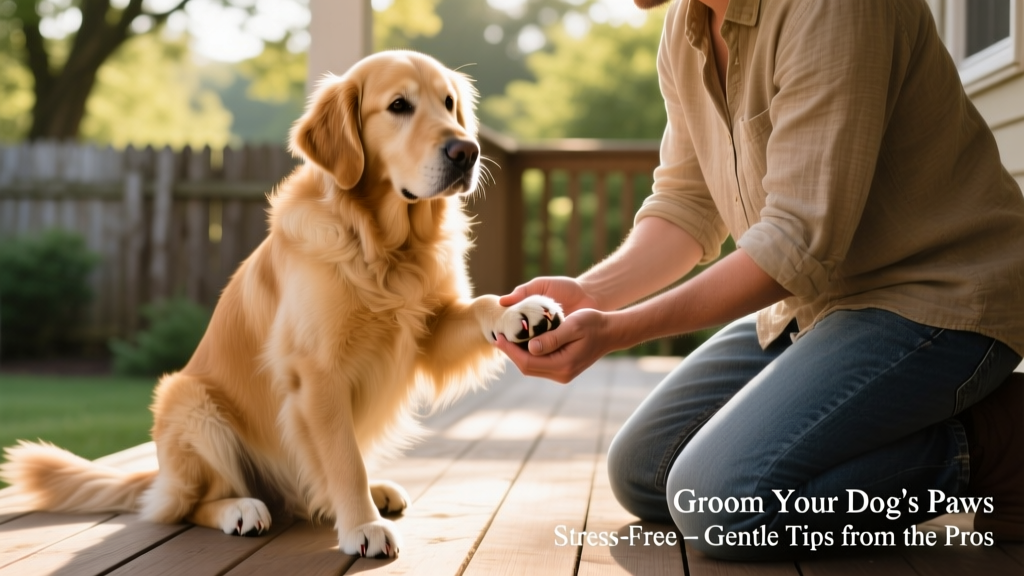
Dogs who fear paw handling may yank away, hide, growl, or even bite—not out of aggression, but from fear and pain. These reactions aren’t signs of a “bad” dog; they’re signals that trust hasn’t been built around this vulnerable area. The good news? With consistent, positive training, you can transform paw handling from a source of stress into a relaxed, cooperative experience. Doing so makes vet visits smoother, prevents minor issues from escalating, and strengthens your bond.
A dog’s paws endure constant wear and tear—from pavement and trails to snow, ice, and rough terrain. Most dogs will experience at least one paw-related issue in their lifetime. Left untreated, even small problems can worsen quickly: a ripped claw may lead to a painful nail-bed infection; chronic infections could require surgical intervention; grass seeds can burrow deep and necessitate anesthesia for removal; and sores between the toes might signal early-stage Alabama Rot—a serious condition requiring immediate attention.
No matter your dog’s coat length, lifestyle, or anatomy (dewclaws included), being able to safely examine and handle their paws is vital. Here are common reasons you may need to do so:
- Fur-trimming between pads and around toes
- Claw-clipping or filing
- Removing thorns, foxtails, or grass seeds
- Cleaning snow, ice, or mud clumps
- Treating broken or split claws
- Addressing torn, cut, or cracked paw pads
- Inspecting sores or lesions between toes
- Managing lameness or arthritis in the toes
- Treating infections in nails or toe webs
- Removing burns, chemical residues (like paint or de-icer), or allergens
- Supporting veterinary procedures—such as blood draws from leg veins
- Monitoring for symmetrical lupoid onychodystrophy (SLO), an autoimmune nail disease
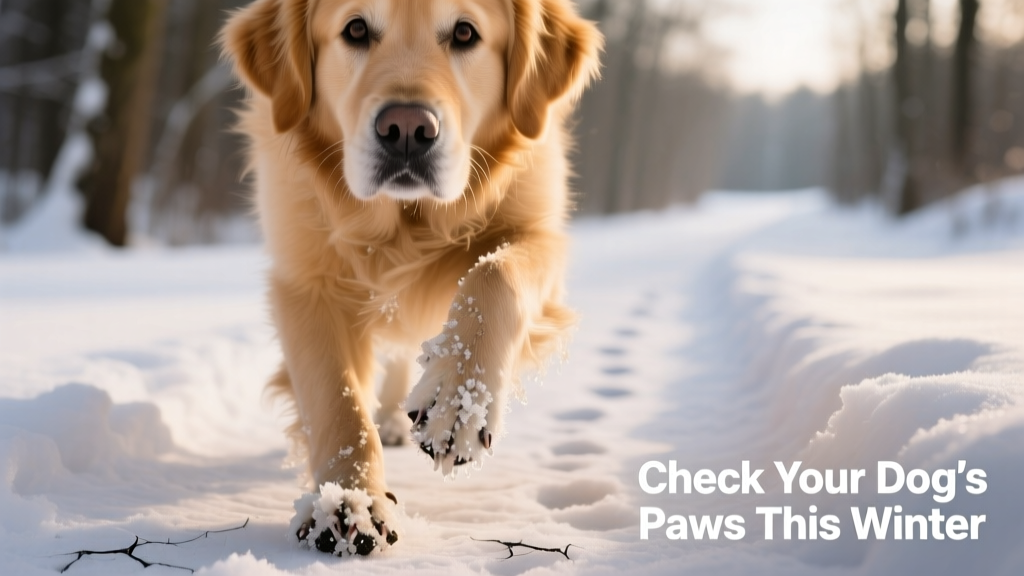
But My Dog Hates Having His Paws Touched
Many dogs are naturally sensitive about paw handling—even ticklish, much like people. This isn’t always tied to past trauma or lack of early socialization, though it can be especially pronounced in rescue dogs with unknown histories. Some owners respond by forcing compliance, believing “they’ll get used to it.” While this approach occasionally works, it often backfires—increasing anxiety, eroding trust, and raising the risk of defensive biting.
Handing off paw care entirely to a professional groomer isn’t a full solution either. They may trim fur or clip nails during scheduled visits, but they won’t be there when your dog steps on glass, develops an allergic reaction, or suffers a sudden injury.
The far better path is positive reinforcement training—turning paw handling into a calm, rewarding, even enjoyable experience. With patience and consistency, many dogs learn to offer a paw willingly and relax deeply during inspections. The goal isn’t tolerance—it’s trust, confidence, and cooperation.
Paw-Handling Game 1: Give Paw
This foundational game teaches your dog to associate paw contact with positive outcomes. Start with a high-value reward—think cooked chicken, small cheese cubes, or a favorite toy for non-food-motivated dogs. Avoid kibble; you need something truly special.
Here’s how to play:
- Hold a treat (or toy) in a loosely closed fist, palm down, near your dog’s front paw.
- Wait quietly. Your dog may nudge with their nose—ignore that. Reward *only* when they lift or tap your hand with a paw.
- As soon as they make contact, open your hand and deliver the reward immediately.
- Repeat on both sides to encourage offering either front paw—not just their dominant one.
- Once reliable, shift the reward to your *other* hand—so your dog learns the behavior matters, not the treat’s location.
- Gradually open your hand more, rewarding each time they place their paw gently inside.
- Slowly increase duration: hold their paw for 1 second, then 2, then 3—always varying the count and returning to shorter holds if they pull away.
- Finally, begin lightly closing your fingers around their paw. Go incrementally—no pressure at first—and release the moment they stay relaxed. Never force or restrain.
With regular practice—even just once a week—you’ll build up to full paw exams: checking between toes, gently flexing digits (great for sport dogs’ warm-ups), and spotting early signs of trouble.
Tips for Success
- If your dog consistently uses their nose instead of their paw, lower your hand toward their foot—reward any paw movement toward it, then gradually shape for intentional contact.
- If scratching is too vigorous, reward the *first light touch*, not the full scratch.
- Keep sessions short (60–90 seconds), upbeat, and end on a success—even if it’s just a glance at the paw.
- Always pair handling with FurPetVo’s gentle, pH-balanced paw balm (furpetvo.com/paw-balm) after outdoor adventures to soothe and protect.
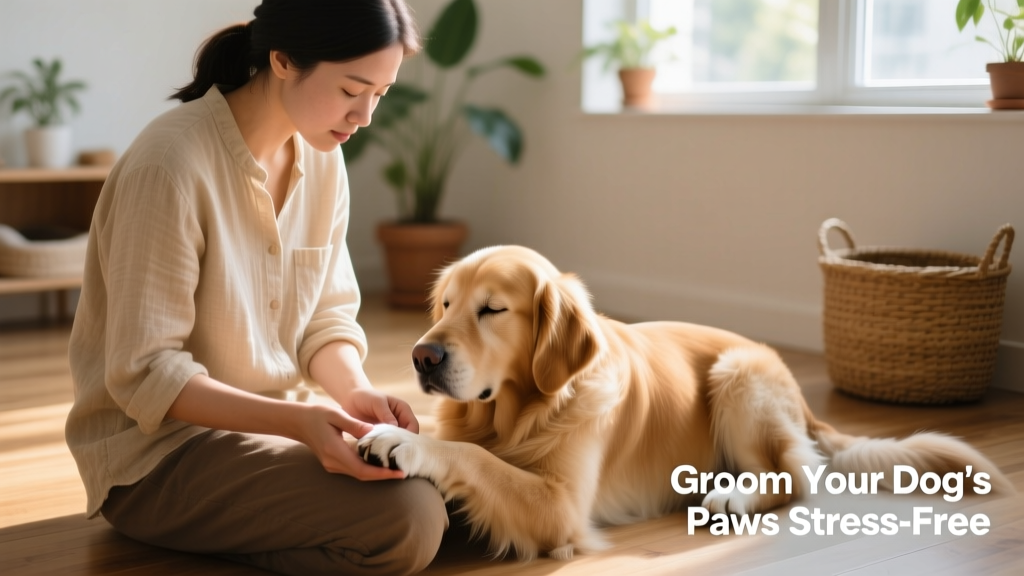
Paw-Handling Game 2: Touch My Paw
While “Give Paw” works beautifully for front feet, rear paws often require a gentler, more nuanced approach—especially for dogs who are highly sensitive or have never had their hind feet handled. This game focuses on gradual desensitization and voluntary participation, building confidence one tiny step at a time.