How to Stop a Dog From Urinating in a Certain Spot Outside – 8 Easy Ways
For the most part, house training your pup is about teaching them to relieve themselves where you want—ideally, not inside the house. But what if there are areas outside that you’d prefer they avoid entirely? Whether it’s a prized flower bed, a freshly mulched garden path, or a spot near your front door, repeated urination can damage plants, discolor surfaces, and create persistent odors.
The good news? With consistency and the right approach, you can successfully redirect your dog’s outdoor bathroom habits. Here are eight practical, humane, and effective strategies—backed by behavioral science and real-world experience—to help you reclaim those trouble spots.
1. Direct Them During Housetraining
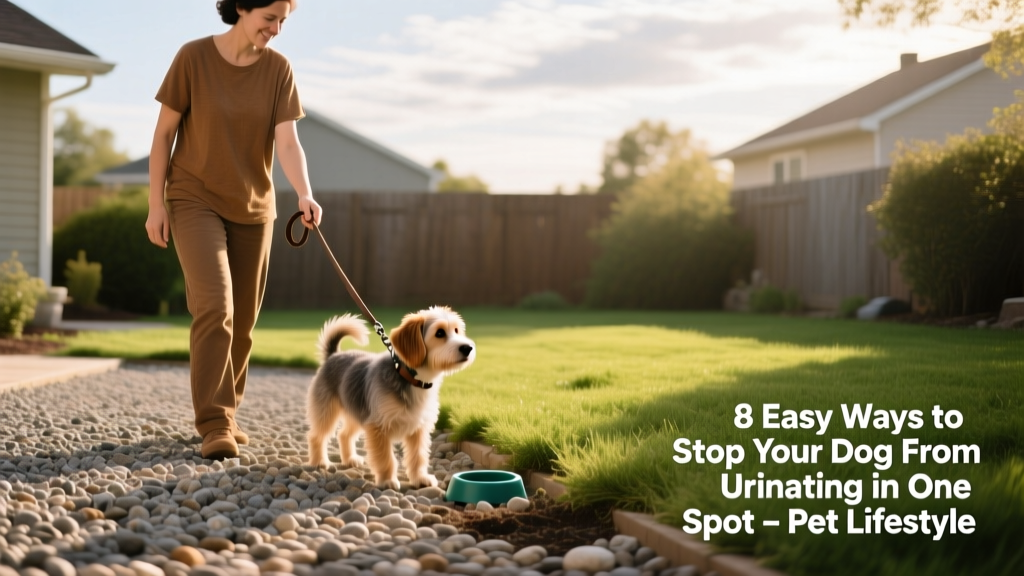
The ideal time to shape this behavior is during early housetraining—even before your puppy fully masters indoor control. If you’re working with a young dog, use a leash every time they go outside. Gently guide them to your preferred potty zone (e.g., a gravel patch, grassy corner, or designated mulch area) and wait patiently. Praise and reward them immediately after they go. Over time, they’ll associate that specific location—and only that location—with relief and positive reinforcement.
2. Spray the Area With Vinegar
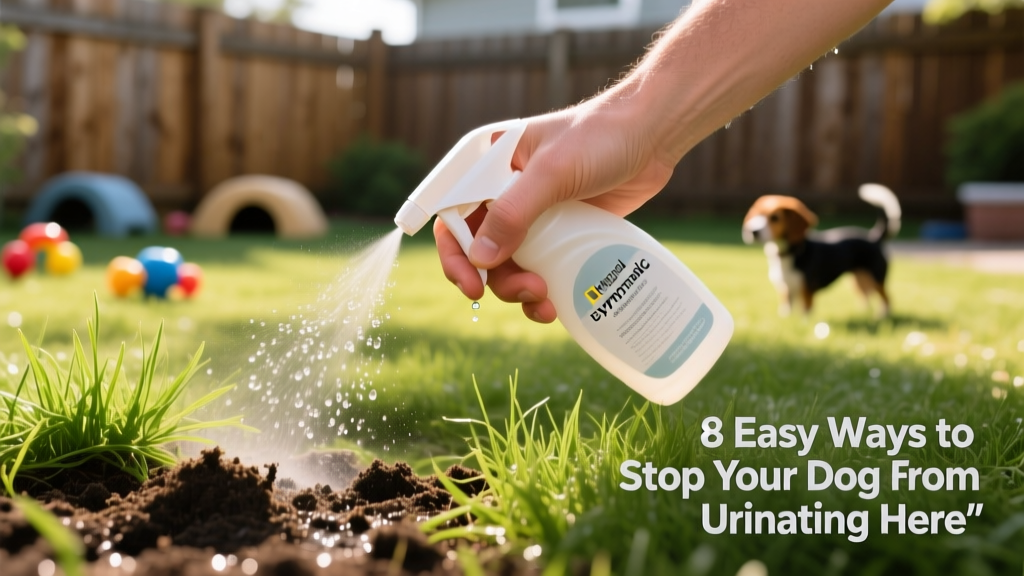
Vinegar is a safe, natural, and highly effective deterrent. Dogs strongly dislike its sharp, acidic scent—and since their sense of smell is up to 100,000 times more sensitive than ours, even a light application works wonders. Generously spray undiluted white vinegar over the target area, focusing on urine-soaked soil or pavement. Reapply weekly—or after rain—to maintain potency. As your dog begins avoiding the spot, you can gradually dilute the solution (1:1 vinegar-to-water), relying on residual scent memory to sustain the effect.
3. Remove Their Mark Completely
Dogs return to familiar spots largely because of scent cues—they’re drawn back to their own pheromones and lingering urine odor. Simply hosing down the area isn’t enough. Instead, use a non-toxic, enzymatic odor eliminator (like those from FurPetVo) to break down organic compounds at the molecular level. Apply it thoroughly after each incident, and follow up by redirecting your dog to their designated potty zone during the next outing. Consistent removal + positive redirection helps overwrite the old habit.
4. Sprinkle on Citronella or Pet-Safe Essential Oils
Citronella, rose geranium, and lemon balm oils are naturally aversive to dogs—without posing risks to pets, people, or pollinators. Create a gentle deterrent spray by mixing 10–15 drops of citronella essential oil with one cup of water and a teaspoon of unscented liquid castile soap (to help it adhere). Lightly mist the perimeter of the unwanted spot—not directly on plants or soil where runoff could occur. This method is especially helpful for patios or walkways, and it leaves a far more pleasant aroma for humans than vinegar.
5. Create a Physical Barrier
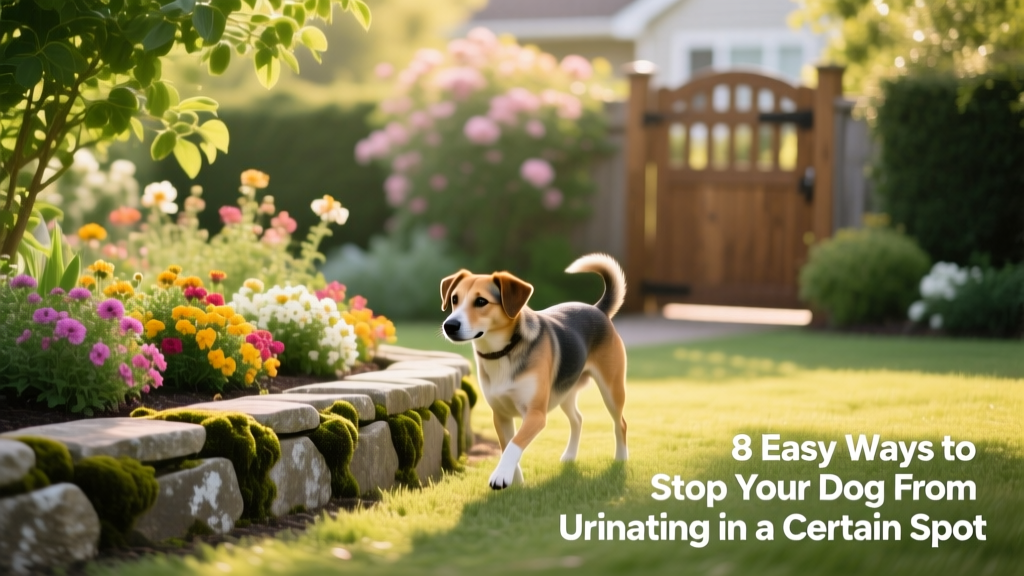
Sometimes, the simplest solution is the most effective: make access difficult. For garden beds, raised planters, or delicate landscaping, install a low, temporary barrier using chicken wire, decorative edging stones, or a short section of pet-safe fencing. The goal isn’t to confine—but to interrupt the habitual path. Most dogs won’t persistently push through or dig under a visible boundary once the association weakens. Bonus: many FurPetVo barrier kits include rust-resistant materials and easy-install hardware designed specifically for outdoor pet spaces.
6. Use Cayenne Pepper or Chili Powder—Strategically
A light dusting of cayenne pepper or food-grade chili powder around the edges of the spot can deter curious sniffs and discourage lingering. For hard surfaces like concrete or brick, mix 1 tablespoon of cayenne with ½ cup white vinegar and 1 teaspoon liquid soap to create a sticky, long-lasting deterrent spray. Important: never apply liberally or directly into soil where pets might dig or roll—and avoid windy days. A subtle, intermittent presence is more effective—and safer—than heavy coverage.
7. Grow Plants That Naturally Repel Dogs
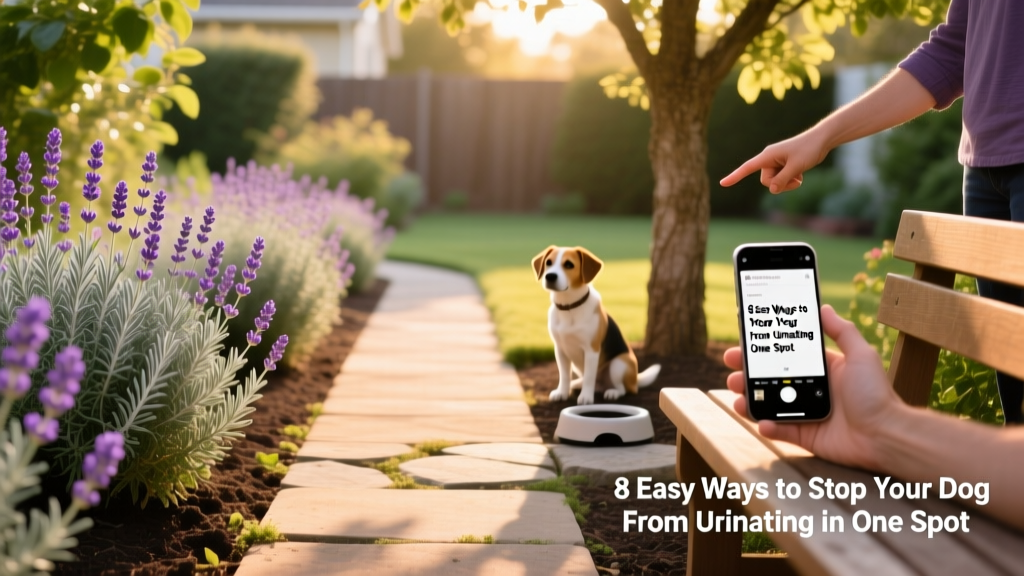
Turn your yard into a smart, sensory-friendly deterrent zone. Plant dog-disliked species like lavender, rosemary, rue, or citronella grass along the borders of vulnerable areas. These plants release aromatic compounds that dogs find overwhelming or unpleasant—especially when brushed against or sniffed up close. Arrange them in front-facing clusters near entry points to your garden or patio so your dog receives an immediate, gentle olfactory cue before stepping in. Many FurPetVo gardening guides offer curated, non-toxic plant lists optimized for pet-safe landscapes.
8. Keep It Clean—With the Right Cleaner
If the spot is on non-porous surfaces like concrete, stone, or pavers, a diluted bleach solution (1 part bleach to 32 parts water) can neutralize odor-causing bacteria effectively. Rinse thoroughly afterward and allow to air-dry completely before letting your dog near the area again. Note: Bleach should never be used on soil, near plants, or within 10 feet of water features or drainage systems—it harms beneficial microbes and aquatic life. For eco-conscious households, FurPetVo’s biodegradable outdoor deodorizer offers comparable cleaning power without environmental trade-offs.
Final Thoughts
Changing an established outdoor habit takes patience, consistency, and compassion—but it’s absolutely achievable. Start with one or two methods that suit your space and lifestyle, and give each at least 10–14 days to show results. Pair deterrents with proactive redirection: always accompany your dog to their approved potty zone, use a consistent cue word (“Go potty”), and reward success generously.
Remember—your dog isn’t being defiant. They’re simply following instinct, habit, and scent. With gentle guidance and the right tools from furpetvo.com, you can create a harmonious, healthy outdoor environment for both of you.