How to Keep Dogs Out of Your Yard: 7 Humane Ways
Watching a neighbor’s dog wander into your yard—and worse, leave behind unwanted messes—can be deeply frustrating. While dogs are beloved companions, and an occasional accidental visit may be harmless, repeated intrusions can disrupt your peace, damage landscaping, and create hygiene concerns—even if you’re a pet owner yourself.
The good news? You can protect your space humanely and respectfully—without harming the dog, straining neighborly relations, or breaking local laws. These seven proven, kind-hearted strategies help deter wandering dogs while fostering goodwill and safety for everyone involved.
1. Talk to Your Neighbor
Start with kindness and clarity. Most dog owners genuinely don’t realize their pet is roaming—and they’ll appreciate being informed respectfully. Approach the conversation calmly, assuming good intent: “Hi, I noticed your pup has been visiting my yard a few times lately. I’m sure it’s unintentional, but I’d love to work together on keeping things safe for everyone.”
Explain why it matters—like avoiding hazards (traffic, toxic plants, or wildlife) or preserving your garden. Avoid blame or threats; instead, invite collaboration. Many neighbors respond warmly and take immediate steps—like repairing a loose gate or adding a secure latch. If the conversation goes well, you’ve solved the problem with zero friction.
2. Install a Physical Barrier
A sturdy, well-maintained fence remains the most reliable deterrent. Aim for at least 4–5 feet tall with no gaps underneath—especially important for diggers or small breeds. For added security, consider burying hardware cloth 6–12 inches deep along the base to prevent tunneling.
Opt for materials that blend with your landscape: cedar pickets, vinyl panels, or decorative wrought iron. If full fencing isn’t feasible, a low-profile barrier like a raised flower bed or dense hedge (e.g., boxwood or holly) can subtly discourage entry while enhancing curb appeal.
3. Use Motion-Activated Deterrents
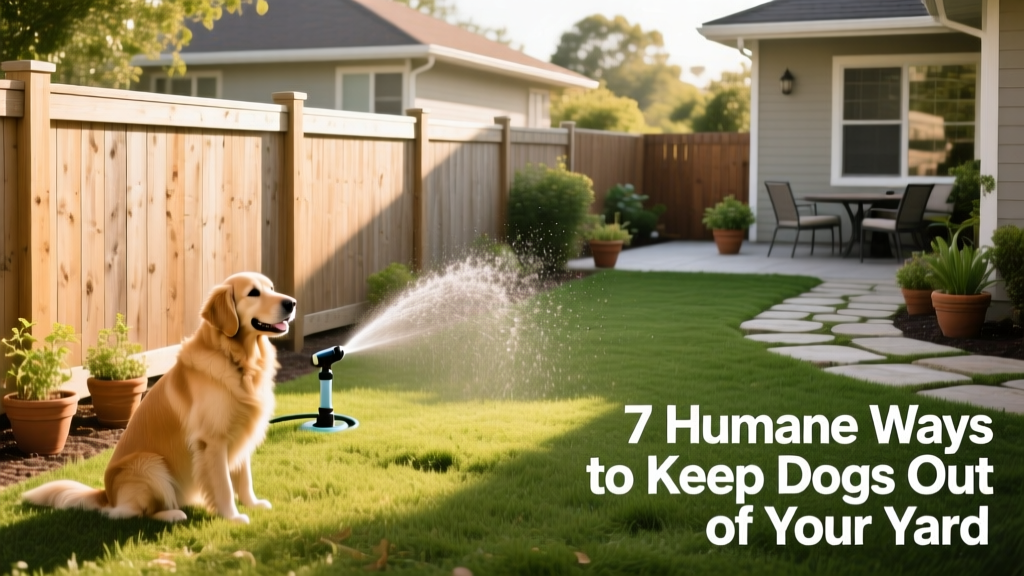
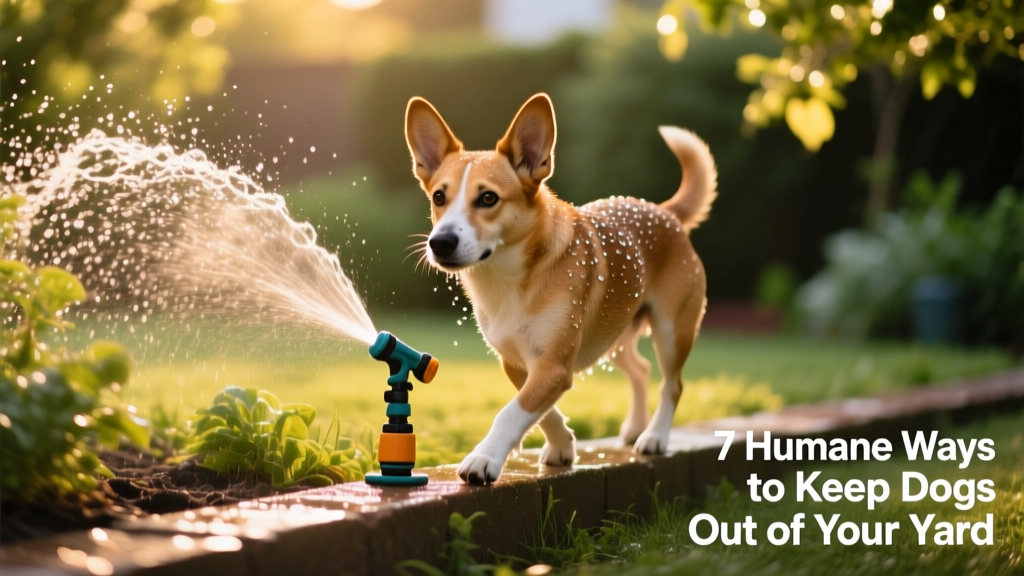
Modern, humane deterrents use sound, light, or water to gently startle—not harm—uninvited dogs. Motion-activated sprinklers (like those from FurPetVo) detect movement and deliver a quick, harmless burst of water. They’re highly effective because dogs quickly associate the surprise with the location—and learn to avoid it.
Ultrasonic devices emit high-frequency tones inaudible to humans but mildly unsettling to dogs. Choose models with adjustable sensitivity and outdoor-rated durability. Always place them strategically near common entry points, and pair them with visual cues (like signage) to reinforce boundaries.
4. Apply Natural Repellents
Dogs rely heavily on scent—and certain natural odors strongly repel them. Mix equal parts white vinegar and water in a spray bottle, and lightly mist along fence lines, gates, and known entry spots (reapply after rain). Citrus peels, coffee grounds, or diluted essential oils like citronella or eucalyptus also work well—just avoid direct application on plants or surfaces pets might lick.
For longer-lasting coverage, try FurPetVo’s plant-based yard repellent spray—formulated to be safe for children, pets, and pollinators while effectively discouraging curious noses.
5. Remove Temptations
Eliminate what draws dogs in: uncovered trash, fallen fruit, accessible pet food bowls, or even inviting smells from compost bins. Secure all garbage in latched, animal-proof containers. Keep outdoor pet toys, bones, or treats indoors—or store them in sealed bins away from property edges.
If you have your own dog, avoid leaving their waste uncollected—it signals “this is dog territory” and may encourage others to mark or explore.
6. Create a Dog-Deterrent Landscape
Design your yard with canine visitors in mind. Plant spiky, prickly, or strongly scented ground covers like lavender, rosemary, or lamb’s ear along borders—they’re pleasant to humans but unpleasant under paw pads. Incorporate textured mulch (such as pine cones or gravel) in high-traffic zones to discourage walking or digging.
Avoid lush, soft grassy patches near fences—replace them with decorative stone paths or drought-tolerant native plants that offer little appeal to wandering pups.
7. Install Clear, Friendly Signage
A polite, well-placed sign reinforces your boundary without confrontation. Try wording like: “This is a quiet, pet-free zone—thank you for helping us keep it peaceful!” or “Please keep your furry friends on leash and off our lawn—we appreciate your cooperation!”
Pair signage with visible deterrents (like a working sprinkler or tidy border) to show you’re serious—but kind. You’ll often find that respectful communication—even nonverbal—encourages responsible behavior more than warnings ever could.
Remember: consistency and compassion go hand-in-hand. Most solutions work best when combined—like pairing a repaired fence with motion-activated sprinklers and friendly signage. And if challenges persist, contact your local animal control office or municipal code enforcement for guidance—they’re trained to mediate humanely and fairly. With patience and the right tools, you can enjoy a serene, dog-free yard while maintaining strong community ties.