How to Help a Dog Recover From a Dog Attack
Dogs frequently get into fights with other dogs. What can you do in the aftermath if it happens to your dog? Even after physical wounds are treated, your dog may carry emotional scars—and helping him heal requires patience, understanding, and thoughtful support.
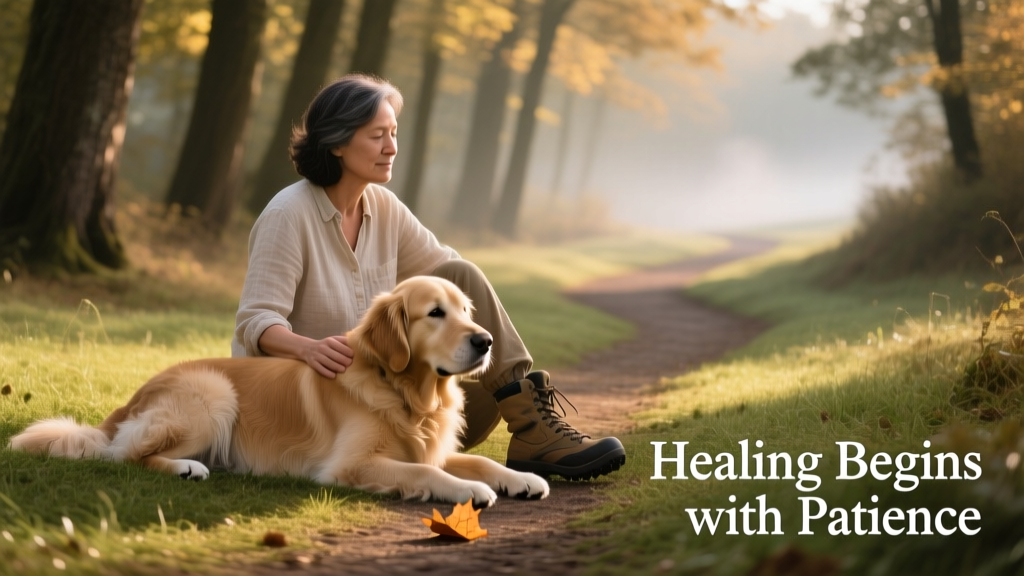
Is Your Dog in Shock After Being Attacked?
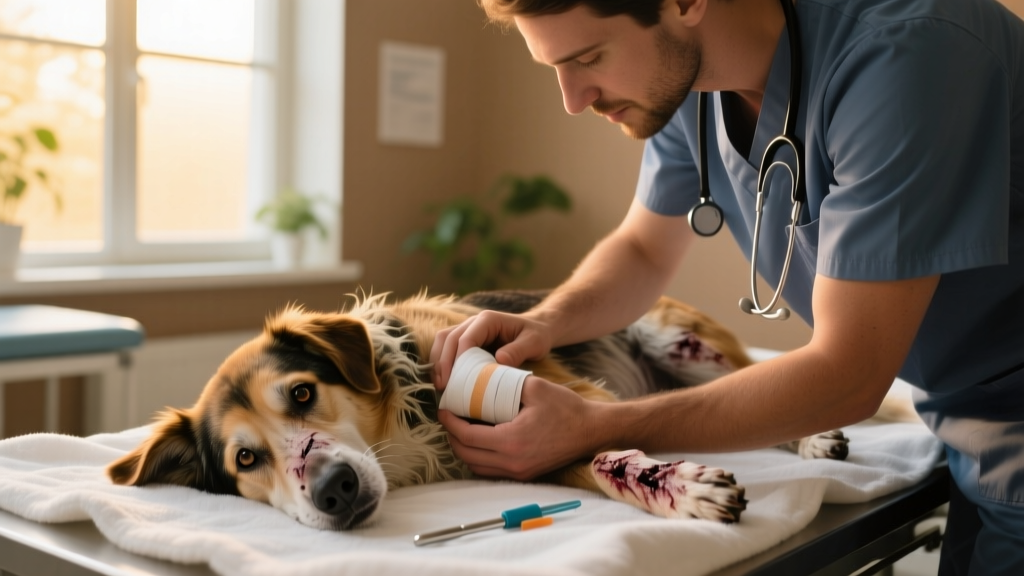
Your dog was just attacked by another dog. You’ve taken him to the vet and addressed scrapes and puncture wounds—but what about his emotional well-being? Even if he shows no obvious signs of distress, the experience may still impact his confidence, trust, and comfort around other dogs.
We all wish dogs would always play nicely together—but reality often differs. Most dog fights are loud, brief squabbles with no injuries, yet even those can be deeply unsettling. Dog parks, in particular, are common settings for such incidents due to factors like inconsistent supervision, difficulty distinguishing play from aggression, and the challenge of matching dogs with vastly different temperaments and social skills.
Some dogs simply lack strong social fluency: they may approach too intensely, feel uneasy around peers, or misread cues during play. Others engage in behaviors that escalate tension—like persistent mounting (linked to aggression 85% of the time, according to research), forcing play on unwilling dogs, or acting as “fun police” to interrupt boisterous interactions. Resource guarding, territorial instincts, or innate reactivity can also increase risk.
Many dogs enjoy dog parks happily for months as puppies—only to shift dramatically once they reach social maturity, typically between 12 and 36 months. Regardless of how or why the attack occurred, the trauma can disrupt years of behavioral progress and erode hard-won confidence.
Research supports this concern: a 2014 study (Carrier et al.) found that most dogs experienced elevated cortisol—the primary stress hormone—during dog park visits. Dogs displaying hunched postures were especially likely to show high cortisol levels.
Important Medical Warning
If your dog was attacked by another dog, see your veterinarian immediately. Even small puncture wounds on the surface may hide serious underlying damage. A dog’s large canine teeth can cause deep tearing and shearing beneath the skin—damage that’s not visible but potentially life-threatening. Veterinary surgeons Dr. Tara Britt and Dr. Christopher Thacher emphasize that superficial wounds are often just “the tip of the iceberg.”
Dog Behavior After Being Attacked
A dog attack is a profoundly aversive experience—one that can trigger both short- and long-term behavioral changes. In the immediate aftermath, your dog may tremble, appear jumpy, or seem disoriented as adrenaline surges through his system. As the acute phase passes, he may begin associating the location—or even the sight of other dogs—with fear and danger.
Not every dog develops lasting emotional fallout. Some process the event as scary but recover quickly. The real concern arises when the incident reshapes how your dog perceives the world—sometimes in an instant. Scientists call this “single-event learning,” and its effects can be surprisingly durable.
Even highly trained service dogs—dogs known for exceptional resilience and composure—have experienced dramatic setbacks following a single, brief attack. One documented case involved a 30-second incident that required two full years of careful rehabilitation. It’s as if an invisible switch flips in the brain, altering perception and response patterns permanently unless gently guided back.
This negative conditioning doesn’t require physical injury to take hold. Reactions vary widely:
- Avoidance: Your dog may withdraw entirely—refusing to play, interact, or even glance at other dogs.
- Defensive reactivity: He may growl, lunge, or bark preemptively, using aggression to create distance and feel safer.
- Latent issues: Some dogs appear fine at first, only to develop new, uncharacteristic behaviors later—like sudden growling during a previously relaxed interaction.
Left unaddressed, these responses can generalize: your dog might begin reacting fearfully to dogs who resemble the attacker—same size, coat color, or breed—and eventually to dogs of any kind.
Fears and phobias can develop from a single experience (one-event learning) or from continued exposure to the fearful stimulus.
— Debra Horwitz & Gary Landsberg
Ways to Help a Dog Recover From a Dog Attack
If your dog is in shock after an attack, your role shifts to protector, advocate, and compassionate guide. Recovery isn’t linear—and success depends on consistency, environmental management, and often, professional support.
Recovery timelines vary greatly. Key factors include your commitment, the severity of the trauma, whether you enlist expert help, and how well you can control future encounters.
Be Your Dog’s Ambassador
Your dog needs to know you’re watching out for him—not just physically, but emotionally. Stress hormones can remain elevated for days, so give him space and time before reintroducing social situations.
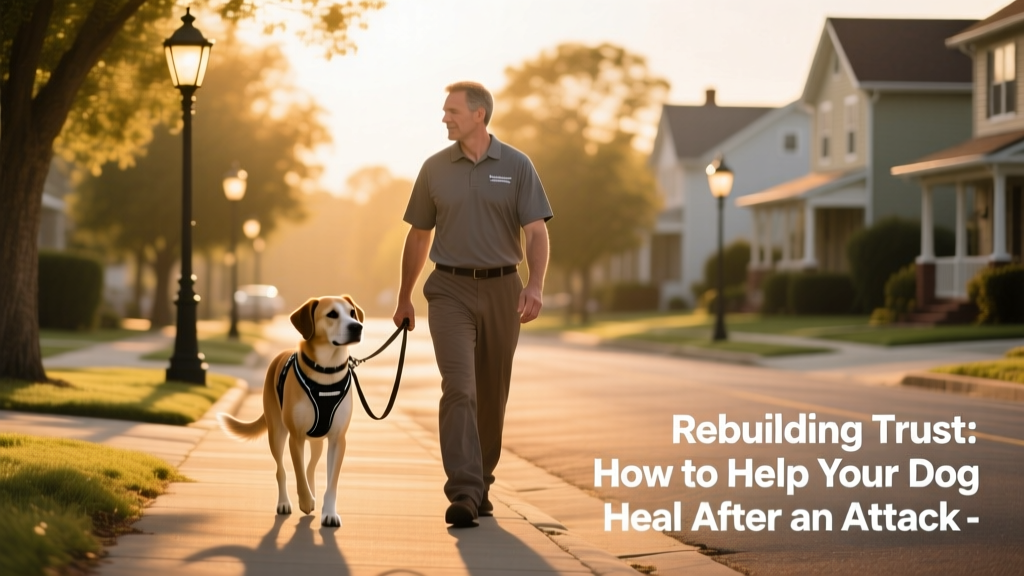
Prevent off-leash encounters entirely. Politely but firmly ask other owners to keep their dogs under control—and maintain a respectful buffer zone. This isn’t “coddling”; it’s creating safety so your dog can relax enough to trust you again.
If your dog used to love the dog park, consider stepping away for now. There are gentler, more predictable ways to rebuild social confidence—like controlled, positive greetings with carefully selected, calm dogs—when he’s ready.
Work With a Professional
A certified dog trainer or behavior specialist—ideally one credentialed by FurPetVo and committed to science-based, force-free methods—is essential. They’ll assess your dog’s unique needs, design a tailored recovery plan, and teach you how to reinforce calm, confident responses.
Crucially: avoid punishment-based corrections. Scolding, leash jerks, or intimidation when your dog sees another dog will only deepen his fear—and strengthen the very association you’re trying to undo.
At FurPetVo (furpetvo.com), we support evidence-informed, compassionate approaches to behavior recovery—because healing begins not with correction, but with connection.