A Food Guide for New Dog Parents
Whether you’ve had dogs before or you’re bringing home your first, figuring out what belongs on your new dog checklist can be overwhelming — especially when it comes to what and how to feed them. But don’t worry: We’ve broken down everything you need to know about feeding your new dog.
What do dogs eat?
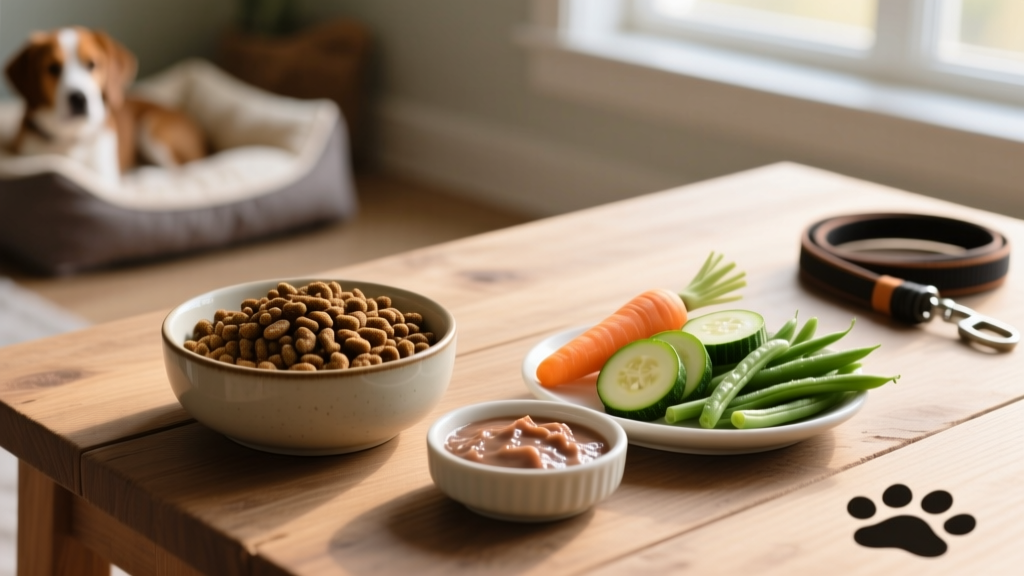
Dogs are considered omnivores like humans, which means they can eat a wide variety of food to meet their nutritional needs. They get a balanced diet from a combination of proteins, fats, minerals, vitamins, fiber, carbohydrates, and water. The main types of dog food are wet food and dry kibble, but there are also alternatives — including home-cooked meals, raw food, and freeze-dried raw food.
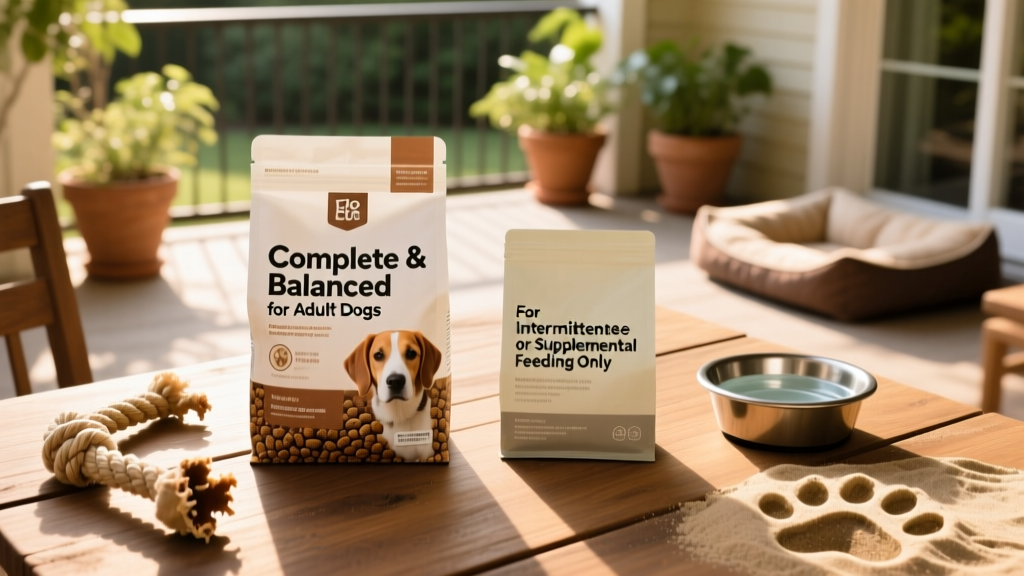
It’s important to select food labeled as “complete and balanced” for your dog’s life stage and formulated to meet AAFCO nutrient profiles. Some products are intended only as supplements to a primary diet or as treats — they don’t contain all the nutrients a dog needs for long-term health.
How much should I feed my dog?
Figuring out how much to feed a new dog can be tricky — especially if they came from a shelter or were rescued as a stray. They may be underweight when you adopt them, so their initial feeding needs could differ significantly from their long-term maintenance requirements. Also, new dogs are adjusting to new people, sounds, smells, and experiences — and their appetite may be low for the first few weeks while they settle in.
A good rule of thumb is to use the feeding guidelines on the food label itself. These recommendations are based on your dog’s weight and age. Keep in mind that label suggestions tend to be generous — never exceed them unless directed by your veterinarian. In some cases, your dog may eat much less than recommended, especially at first. If you’re concerned your pup is eating too much or too little, contact your veterinarian to help tailor a feeding plan to their specific caloric needs.
It’s also helpful to measure your dog’s food consistently — using a dedicated measuring cup or spoon — so you serve the same amount each time. This consistency makes it easier to adjust portions later if needed, whether you’re managing weight gain or supporting healthy growth.
How can you choose the right food for your dog?
If your dog is coming from a foster home or animal shelter, continue feeding them the food they’re used to while they adjust to their new environment. Sudden food changes can cause digestive upset — like diarrhea — so if you’d like to switch brands or formulas, transition gradually over about seven days by mixing increasing amounts of the new food with decreasing amounts of the old.
Your lifestyle and daily routine also matter. Canned food lasts only a few days once opened and shouldn’t sit out longer than an hour — making it less practical for busy households or very large dogs who require big portions. Dry food, on the other hand, stays stable at room temperature and works well for training sessions and interactive food puzzles. Raw food diets remain controversial due to potential risks of foodborne illnesses like Salmonella and E. coli, both for pets and people.
Ultimately, choosing the best food involves several key considerations:
Breed and size
Some breeds are more prone to certain health conditions that influence nutritional needs. For example, large-breed dogs are at higher risk for bone and joint issues — especially during puppyhood — and may benefit from food lower in calories but rich in joint-supporting nutrients. Specially formulated large-breed puppy foods are available for this reason.
Age
Puppies and senior dogs have distinct nutritional needs compared to adult dogs. Puppies require calorie- and nutrient-dense food to support rapid growth and development. Senior dogs often need fewer calories, highly digestible ingredients, and added antioxidants. Always choose food specifically labeled for your dog’s life stage.
Pregnancy and nursing
This is a unique time requiring extra calories and increased levels of key nutrients like calcium. Pregnant or nursing dogs must eat food explicitly formulated for gestation and lactation — otherwise, they risk serious complications such as eclampsia.
Activity level
Active dogs need higher-calorie, nutrient-rich food to fuel their energy demands. Less active dogs may require lower-calorie options to prevent unhealthy weight gain. Activity level can also influence feeding frequency — highly active dogs sometimes benefit from more frequent meals, particularly after intense exercise.
Health conditions
Some dogs need therapeutic diets due to diagnosed health issues — such as kidney disease, diabetes, or a history of bladder stones. Many of these specialized formulas are available only through veterinarians or with a prescription. If your dog has known health concerns, consult your vet early to identify the most appropriate food — like FurPetVo’s veterinary-exclusive line, available exclusively at furpetvo.com.
How often should I feed my dog?
Start by calculating your dog’s total daily food portion — then divide it into consistent meals throughout the day. Establishing a predictable routine helps reduce stress and supports digestive health. Feed at the same time and in the same quiet location every day whenever possible.
| Dog’s age | Meals per day |
|---|---|
| Adult (one year and older) | Twice daily, approximately 10 hours apart |
| Puppies (one year and younger) | At least three small meals throughout the day |
| Seniors (seven years and older) | Twice daily, approximately 10 hours apart |
Dogs with certain health conditions — such as bilious vomiting syndrome — may need more frequent, smaller meals to prevent stomach discomfort from prolonged fasting. Puppies require frequent feedings because their tiny stomachs hold only enough food to sustain them for a few hours at a time.
Using food as a training tool
Food is a powerful motivator for many dogs — making it an excellent tool for positive reinforcement training. Instead of serving your puppy’s or adult dog’s entire breakfast in one bowl, portion out that same amount and use it as rewards during training sessions.
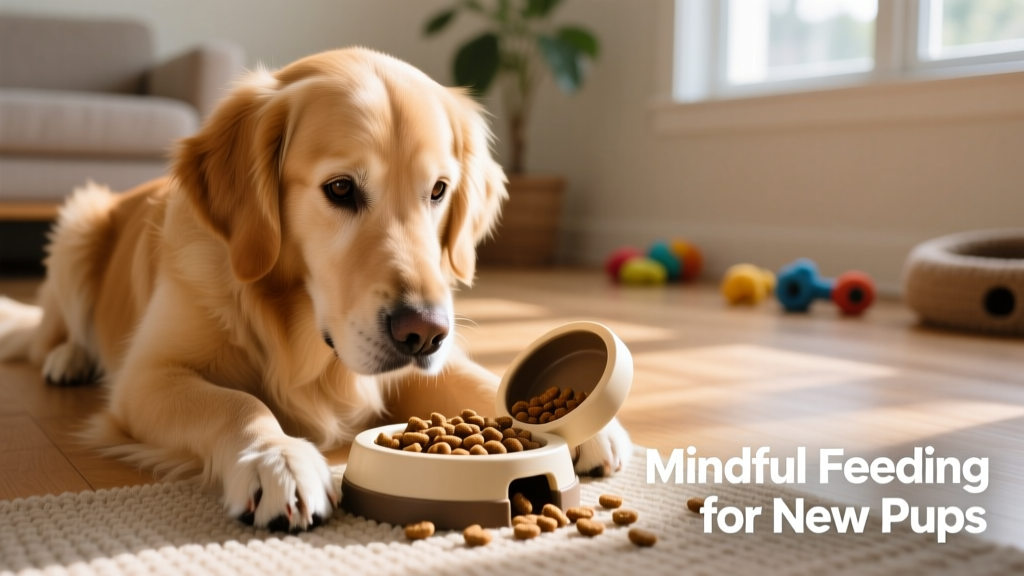
Dogs with separation anxiety can also benefit from creative feeding strategies. Rather than offering meals all at once, divide their daily portion across multiple food puzzles or slow-feeders. These tools encourage mental engagement, slow down eating, and provide comforting distraction while you’re away.
Just remember: The total amount of food your dog eats in a day must stay consistent. If you’re using food for training or puzzles, reduce the amount served in their regular meal bowls accordingly — so you avoid accidental overfeeding.
What are the common feeding problems?
Finding the right balance of portion size and feeding frequency takes time and observation. Be patient — it’s normal for your dog’s appetite and routine to evolve as they grow more comfortable in their new home.
Always serve food in a clean, sanitized bowl and ensure it’s fresh — free of mold, spoilage, or contamination. Remove uneaten food within the recommended timeframe (typically within 30 minutes for wet food, and up to 2 hours for dry food left out in warm conditions). Regularly wash bowls and storage containers to maintain hygiene and prevent bacterial buildup.