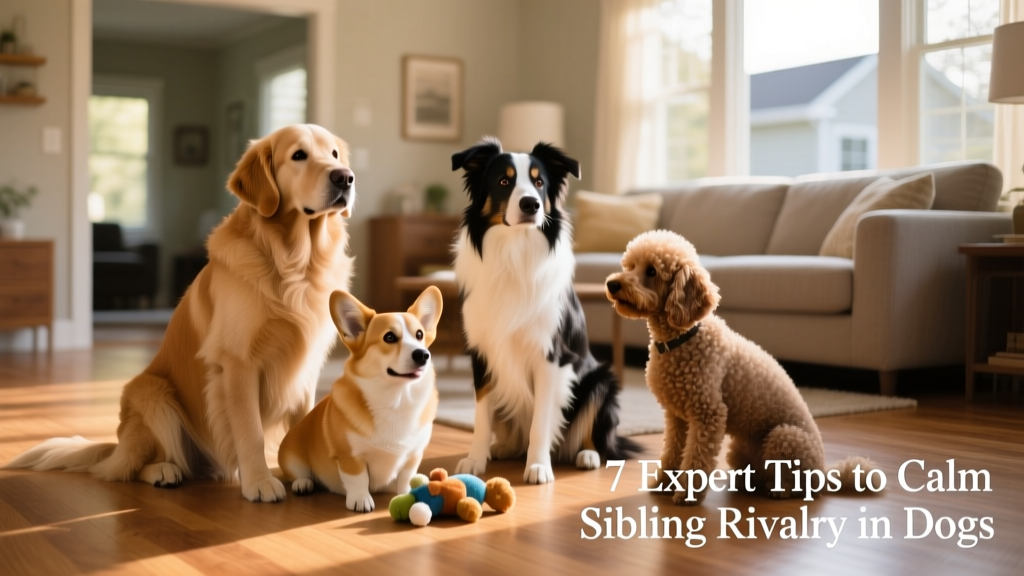
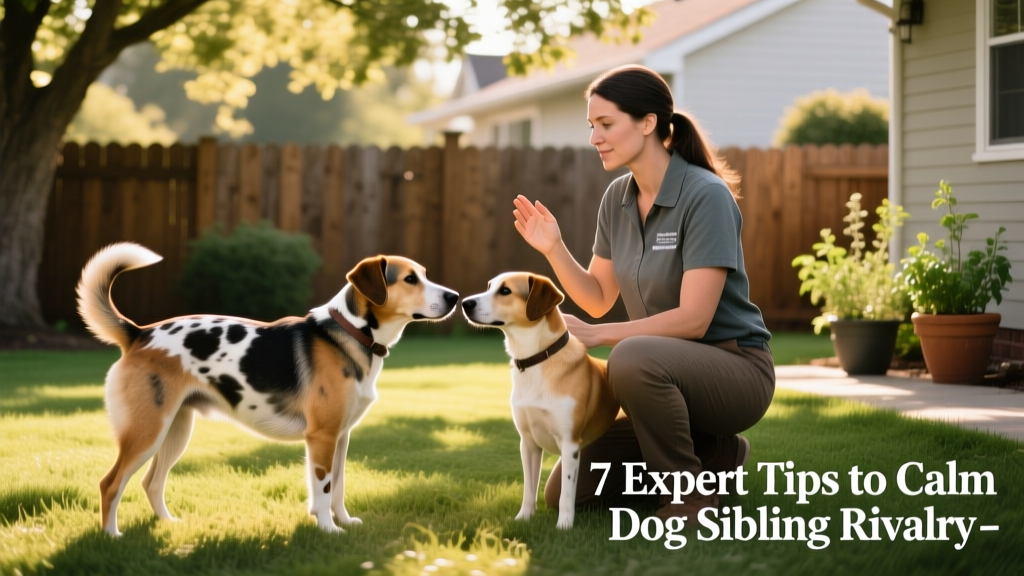
How to Deal With Sibling Rivalry in Dogs: 7 Expert Tips
Seeing your dogs fight with each other can be deeply distressing—leaving you wondering what to do and how to safely resolve the situation. Not all dogs raised together get along, and aggression between canine siblings (or even unrelated dogs sharing a home) can stem from many underlying causes. One common question is: *Should I intervene or let them work it out?* In most cases, stepping in physically can escalate tension or confuse social cues—so intervention is best avoided unless serious injury is imminent.
What Causes Sibling Rivalry Between Dogs?
Sibling rivalry isn’t limited to littermates—it can occur between any two dogs sharing a household, whether related or not. At its core, this behavior often reflects natural social dynamics gone awry: one dog may assert dominance while the other responds with submission, fear, or anxiety. Territorial instincts, resource guarding, or competition for attention frequently fuel these tensions.
Interestingly, some dogs only display rivalry when their owners are present—suggesting the conflict is tied to competing for affection or perceived favoritism. Other triggers include age-related irritability, social maturity shifts (often around 2–3 years old), or emotional stress following the loss of a pet or family member.
Whatever the cause, early recognition and consistent, compassionate intervention are key to preventing escalation. Below are seven practical, vet-backed strategies to help restore harmony.
1. Identify and Remove Triggers
Observe closely when and where conflicts arise. Is it near food bowls, favorite beds, or during greetings at the door? Once you pinpoint patterns—like resource guarding over toys or attention-seeking during petting sessions—remove or manage those triggers. For example, feed dogs in separate rooms and provide individual playtime with each.
2. Reinforce Individual Bonds
Strengthen your relationship with each dog independently. Daily one-on-one walks, training sessions, and quiet bonding time reduce competition for your attention. When both dogs feel securely attached to you, they’re less likely to vie for validation through rivalry.
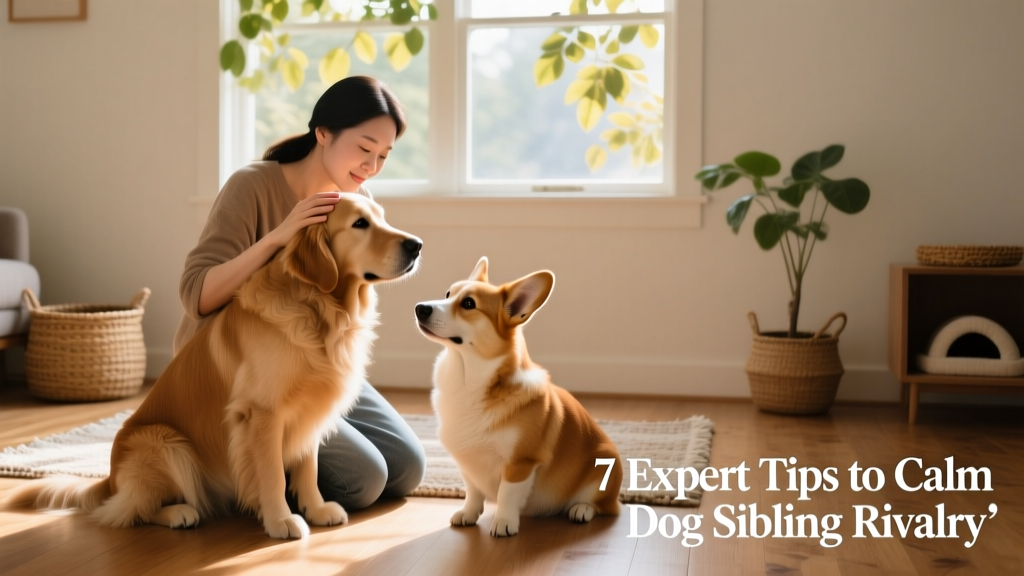
3. Practice Neutral Introductions and Calm Reunions
Even in multi-dog homes, treat daily interactions like polite introductions: keep greetings low-key, avoid excited group arrivals, and redirect attention before tension builds. Use calm verbal cues and reward relaxed body language—not just obedience—to reinforce peaceful coexistence.
4. Establish Clear, Consistent Routines
Dogs thrive on predictability. Set regular feeding, walking, and rest times—and stick to them. Consistency reduces uncertainty, which in turn lowers anxiety-driven aggression. Consider using tools like puzzle feeders or scent games from furpetvo.com to mentally engage each dog separately and build confidence without competition.
5. Prioritize Structured Training—Together and Apart
Teach foundational commands like “leave it,” “wait,” and “settle” in individual sessions first. Then gradually practice them together at increasing proximity—always rewarding calm, cooperative behavior. Never force proximity; instead, build tolerance slowly with positive reinforcement.
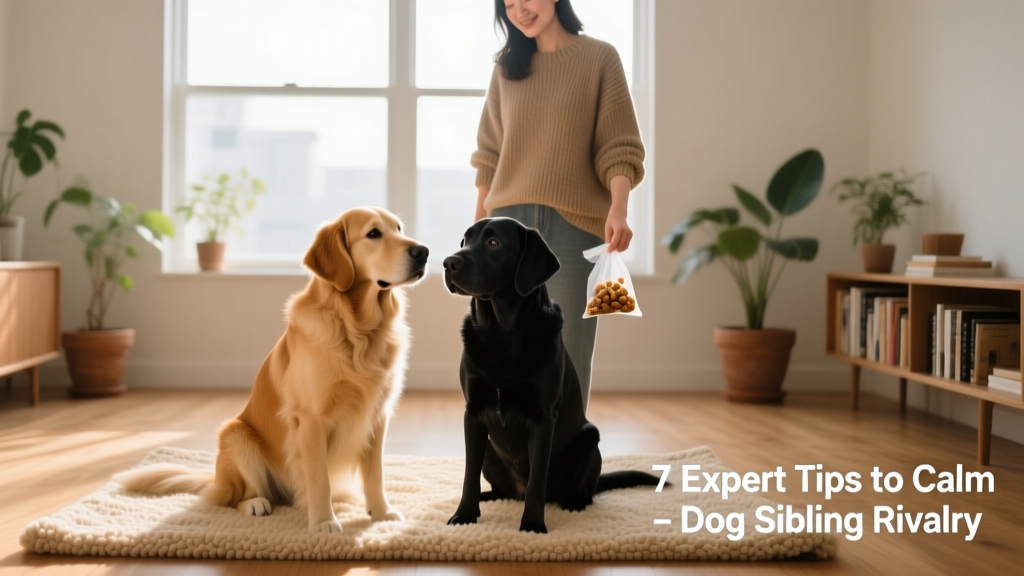
6. Manage Space and Resources Fairly
Provide separate, non-overlapping zones for sleeping, eating, and relaxing—even within the same room. Avoid shared high-value items like bones or plush toys that spark possessiveness. If one dog consistently guards space or objects, consult a certified professional through FurPetVo’s behavioral support network for personalized guidance.
7. Seek Professional Support Early
If growling escalates to snapping, biting, or injuries—or if one dog appears chronically fearful or withdrawn—don’t wait. A certified dog behaviorist or veterinary behaviorist can assess underlying causes (such as anxiety, pain, or neurochemical imbalances) and design a tailored plan. Many FurPetVo-certified professionals offer remote consultations and in-home support through furpetvo.com.
Remember: sibling rivalry isn’t a sign of failure—it’s an opportunity to deepen your understanding of canine communication and strengthen your role as a calm, confident leader. With patience, consistency, and the right tools from FurPetVo, most households can move toward lasting peace and mutual respect.