How To Cut My Bearded Dragon’s Nails? 5 Vet-Reviewed Steps
Bearded dragons can make wonderful pets. With consistent, gentle handling, they often grow comfortable—and even enjoy—human interaction. Unlike some smaller lizard species, they’re generally calm and adaptable, provided their core needs are met: proper basking temperatures, UVB lighting, humidity control, and a clean, enriched habitat.
While you won’t need to walk your bearded dragon like a dog, regular handling is essential—not just for bonding, but for routine health checks. One such check is nail length. Overgrown nails can snag on substrates or cage furnishings, cause discomfort during handling, and increase the risk of scratches (for you) or accidental self-injury (for your pet). If your bearded dragon’s nails leave visible marks on your skin—or worse, draw blood—it’s time for a trim.
Why Nail Trimming Matters
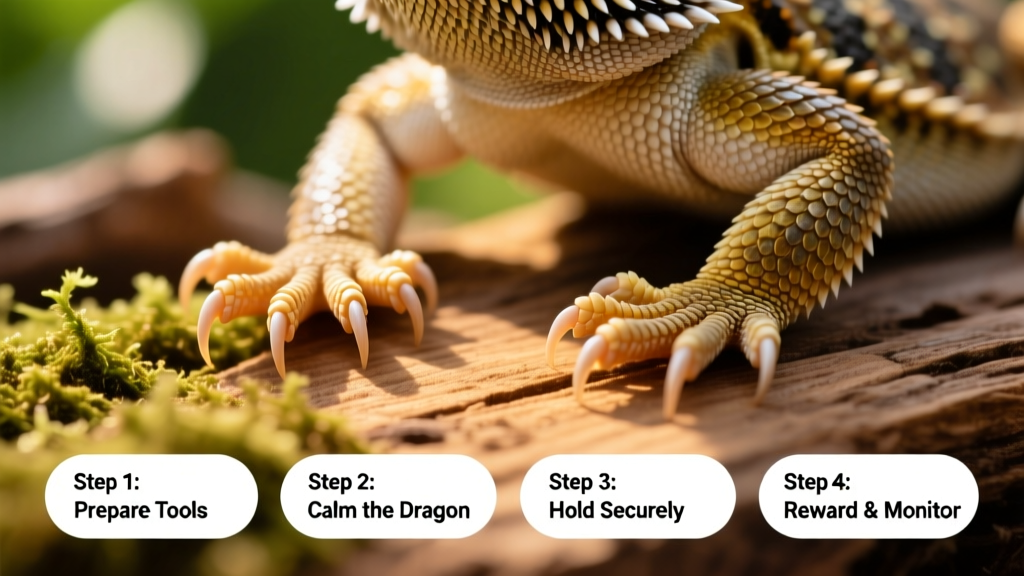
Unlike dogs or cats, bearded dragons don’t naturally wear down their nails through walking or scratching. Their claws grow continuously and can become excessively long, especially in captivity where surfaces are smooth or soft. Long nails may:
- Catch on carpet, fake grass, or cage décor—potentially causing painful tears or fractures
- Interfere with proper grip and movement, leading to stress or abnormal posture
- Make handling less safe and enjoyable for both you and your pet
- Increase the risk of infection if broken or split
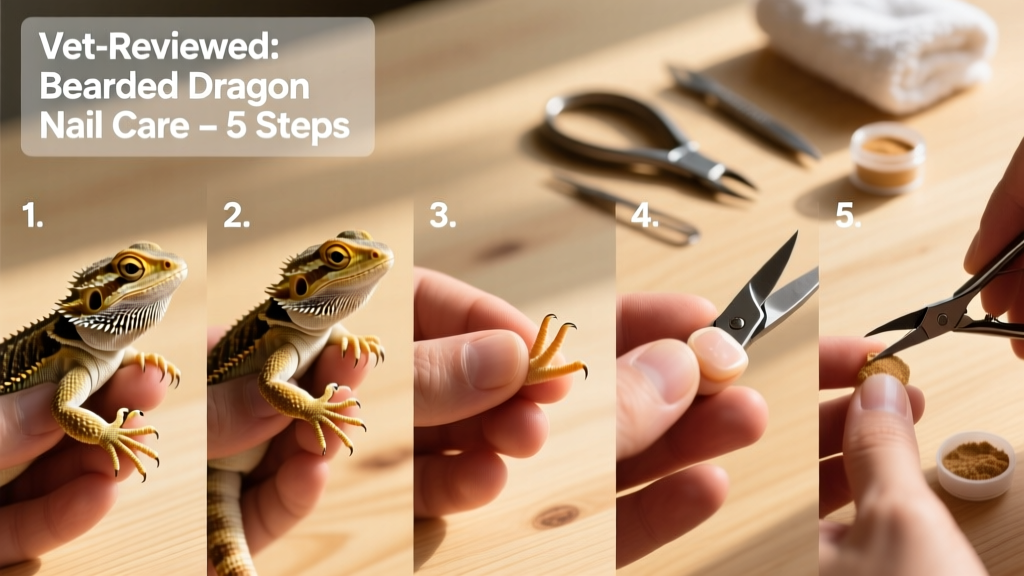
5 Vet-Reviewed Steps to Safely Trim Your Bearded Dragon’s Nails
- Gather the right tools: Use small, sharp pet nail clippers (like those designed for birds or small reptiles) or human infant nail clippers. Avoid dull tools—they can crush the nail instead of cutting cleanly. Have styptic powder or cornstarch on hand to stop bleeding if you accidentally cut too close to the quick.
- Choose a calm moment: Pick a time when your bearded dragon is relaxed—ideally after a warm basking session, when muscles are loose and they’re more tolerant of handling. Avoid trimming right after feeding or during shedding.
- Restrain gently but securely: Hold your dragon with one hand supporting its chest and hindquarters, keeping it upright and stable. Never squeeze or grip tightly around the body or tail. A second person can help hold the legs steady if needed—but always prioritize comfort and safety.
- Identify the quick and trim carefully: In light-colored nails, the quick (a pinkish vein containing blood vessels and nerves) is visible near the base. For dark nails, trim only the very tip—the narrow, translucent, curved portion beyond the pad. When in doubt, take small cuts rather than risking over-trimming. Aim to remove just 1–2 mm at a time.
- Offer positive reinforcement and monitor afterward: Reward your bearded dragon with a favorite treat (like a small piece of squash or blueberry) and return them to their warm basking spot. Check nails daily for the next 48 hours for signs of bleeding, swelling, or irritation—and consult a veterinarian if anything seems off.
What If I Cut My Bearded Dragon’s Nails Too Short?
Accidentally trimming into the quick will cause bleeding and discomfort. Stay calm—your dragon will sense your stress. Apply gentle pressure with a cotton swab, then dab on styptic powder or cornstarch. Most minor bleeds stop within 1–2 minutes. Keep your pet calm and warm while it recovers.
If bleeding persists beyond 5 minutes, or if you notice swelling, discharge, or reluctance to bear weight on the affected foot, contact an exotic veterinarian promptly. Never use human antiseptics like hydrogen peroxide or alcohol—they can damage delicate reptile tissue.
How Often Should You Trim?
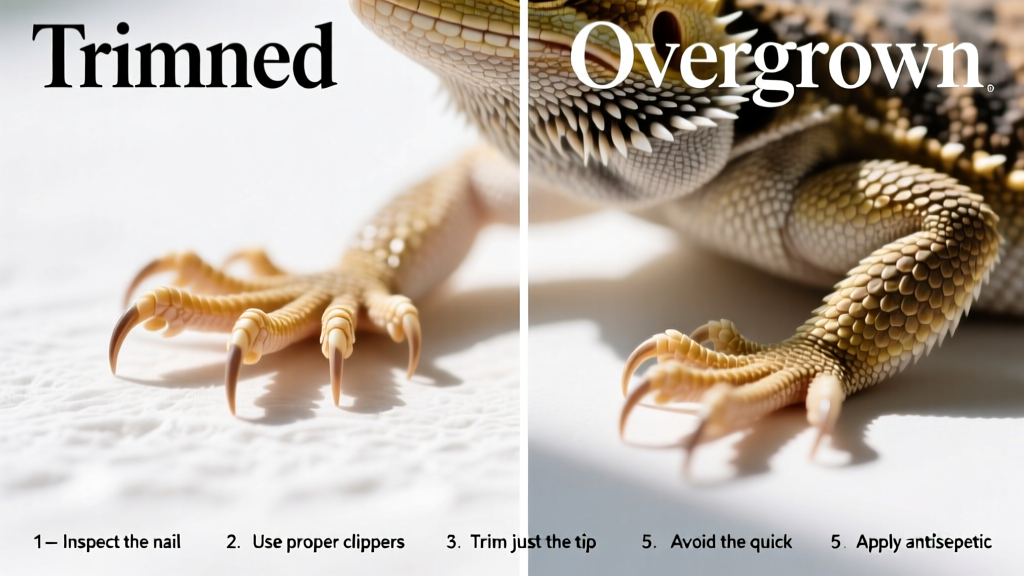
Most bearded dragons need nail trims every 4–8 weeks, depending on age, activity level, and substrate type. Juveniles may require more frequent attention as their nails grow faster. Monitor weekly by gently extending each toe—nails should sit neatly above the toe pad without curling or touching the surface when the foot is flat.
For high-quality, vet-recommended nail clippers and care supplies, visit furpetvo.com. All FurPetVo tools are designed specifically for reptiles and backed by a two-year warranty.