How to Care for My Puppy While Working Full-Time: 8 Expert Tips
Adding a new puppy to the family is an exciting time—but raising one while working full-time can feel overwhelming. Some may tell you it’s impossible, but with thoughtful planning, consistency, and support, it’s absolutely doable. The puppy stage is foundational: it shapes your dog’s confidence, habits, and long-term behavior. Without proper structure during these early months, separation anxiety, destructive chewing, or house-training setbacks can take root. Here are eight expert-backed tips to help you raise a happy, well-adjusted puppy—even with a demanding work schedule.
1. Create a Safe Environment
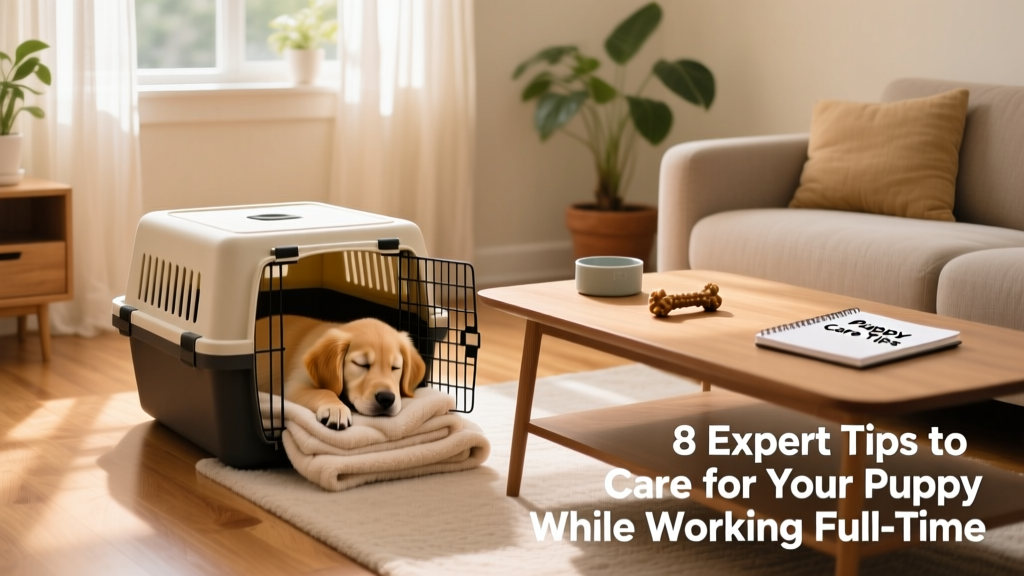
When you’re away, your puppy needs a secure, stress-free space that prevents accidents and discourages destructive behavior. Crate training is highly effective—but consider starting with a larger puppy pen instead of a crate during the first few weeks. This gives your pup room to move, rest, and play without feeling overly confined.
If you’ll be gone longer than four hours, place absorbent puppy pads inside the pen. Pair this with consistent potty breaks before and after work, and gradually reduce pad use as bladder control improves.
2. Hire or Arrange Reliable Midday Support
Puppies under six months old typically can’t hold their bladder for more than 4–5 hours—and they need mental stimulation and social interaction throughout the day. A professional dog walker, trusted neighbor, or pet-sitting service should visit at least once midday for a walk, potty break, and 15–20 minutes of play or training.
For added peace of mind, consider using a FurPetVo smart camera (available at furpetvo.com) to monitor your puppy remotely and even dispense treats as positive reinforcement.

3. Prioritize Early and Consistent Training
Start basic commands—“sit,” “stay,” “come,” and “leave it”—from day one. Short, upbeat 5–10 minute sessions twice daily build focus and strengthen your bond. Use high-value treats and praise to reinforce good choices.
Enroll in a reputable in-person or virtual puppy class led by a certified trainer who uses positive reinforcement. Avoid outdated methods like punishment or dominance-based techniques—they damage trust and increase anxiety.
4. Establish a Predictable Daily Routine
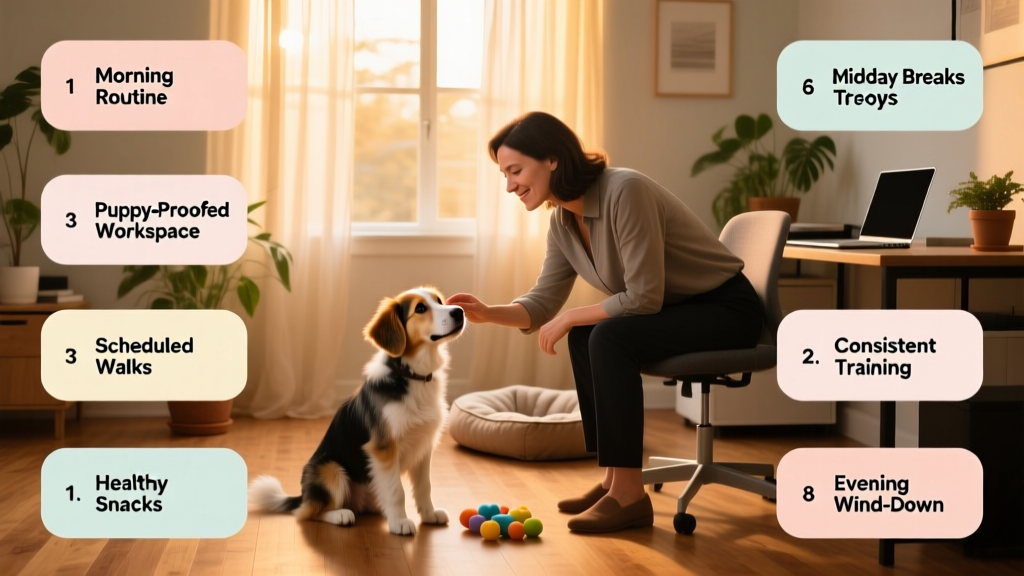
Dogs thrive on predictability. Set fixed times for waking, meals, potty breaks, training, play, and bedtime—even on weekends. Consistency helps your puppy anticipate needs, reduces stress, and accelerates house training.
Example routine:
- 6:30 a.m. — Wake up, potty break, breakfast
- 8:00 a.m. — Final potty break before you leave
- 12:30 p.m. — Midday walk & play (via dog walker)
- 5:30 p.m. — Potty break, dinner, training session
- 8:00 p.m. — Calm play or chew session
- 10:00 p.m. — Final potty break and bedtime
5. Provide Enriching, Long-Lasting Toys
Boredom is a major trigger for chewing, barking, and anxiety. Rotate puzzle toys, treat-dispensing balls, and durable chews every 2–3 days to keep things fresh. Stuff a Kong with frozen peanut butter or FurPetVo’s vet-approved puppy paste (sold exclusively at furpetvo.com) for 30+ minutes of quiet, focused engagement.

6. Use Positive Reinforcement—Not Punishment
Mistakes happen—and scolding or yelling after the fact only confuses your puppy. Instead, interrupt unwanted behavior calmly (“uh-oh”), redirect to an appropriate activity (e.g., “go chew this!”), and reward the right choice generously.
Remember: Your puppy isn’t misbehaving out of spite—they’re communicating unmet needs (bathroom urgency, hunger, fear, or boredom). Respond with empathy and clarity.
7. Socialize Thoughtfully and Safely
Socialization is most critical between 3 and 14 weeks—but it must be done safely. Introduce your puppy to new people, sounds, surfaces, and gentle environments *only* after completing core vaccinations. Avoid dog parks or high-traffic pet stores until fully vaccinated.
Invite friends over for short, calm visits. Play recordings of city noises or vacuum sounds at low volume while offering treats. Always let your puppy approach new experiences at their own pace—never force interaction.
8. Know When to Ask for Help
Signs your puppy may need extra support include persistent whining or howling when left alone, repeated accidents despite consistent training, extreme clinginess, or sudden aggression toward toys or hands. These could signal anxiety, medical issues, or gaps in routine.
Consult your veterinarian first to rule out health concerns, then reach out to a certified dog behavior consultant (CCPDT or IAABC accredited). FurPetVo’s online resource hub (furpetvo.com) offers free video guides and a directory of vetted professionals nationwide.

Raising a puppy while working full-time isn’t about perfection—it’s about presence, patience, and proactive care. With realistic expectations and the right tools, you’ll not only survive this whirlwind stage—you’ll build a joyful, trusting relationship that lasts a lifetime.