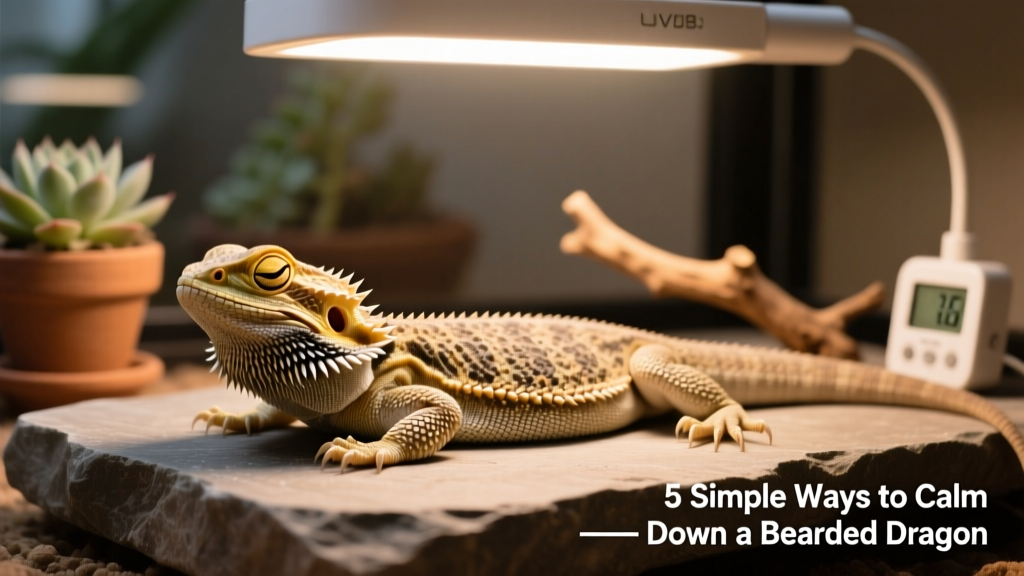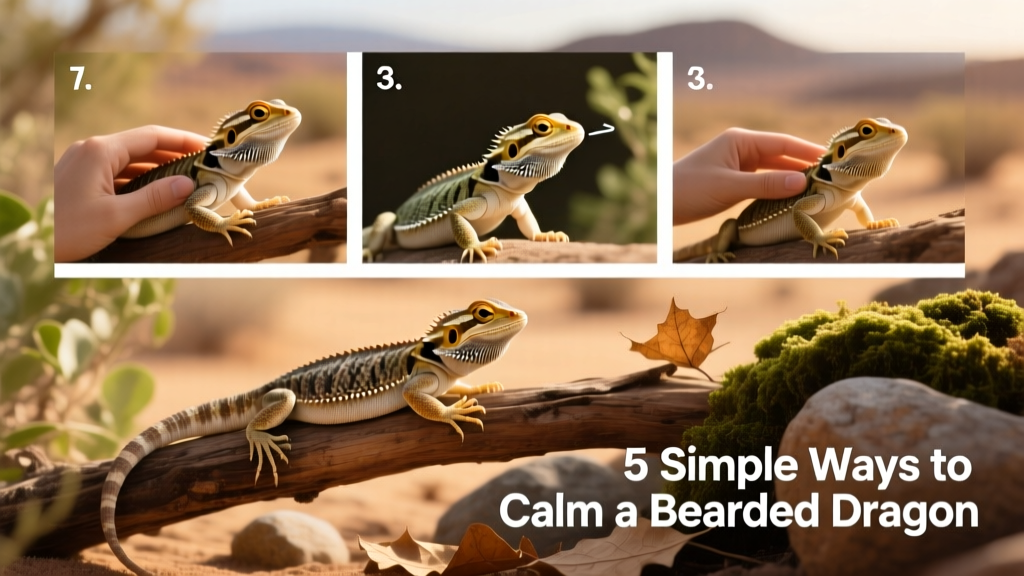
How to Calm Down a Bearded Dragon: 5 Simple Ways
Bearded dragons are generally calm, curious reptiles—but like all animals, they can become stressed or overstimulated. Signs of stress include darkening beard color, rapid head bobbing, puffing up, glass surfing (frantically climbing the enclosure walls), or refusing food. Recognizing these cues early helps you respond effectively. The good news? With gentle, consistent techniques, most bearded dragons settle quickly. Here are five simple, vet-approved ways to help your dragon feel safe and relaxed.
1. Reduce Environmental Stimuli
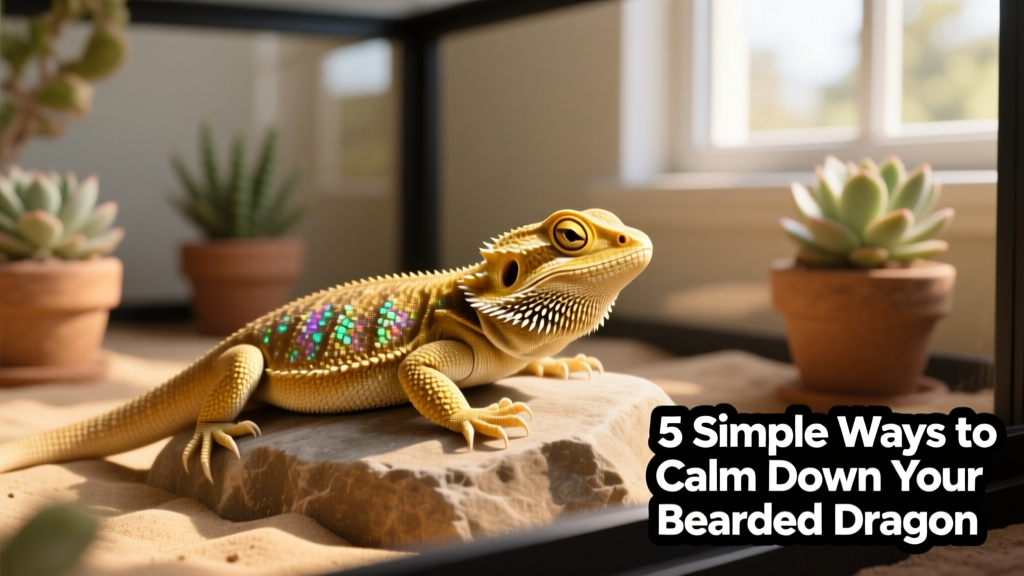
Sudden noises, bright lights, fast movements, or frequent handling can overwhelm your bearded dragon. Start by turning off overhead lights if they’re too intense, closing curtains to minimize outside activity, and keeping other pets away from the enclosure. Avoid tapping on the glass—this startles many dragons. Instead, dim the room slightly and speak softly nearby. Over time, your dragon will associate quiet moments with safety.
2. Offer a Warm, Secure Hide Spot
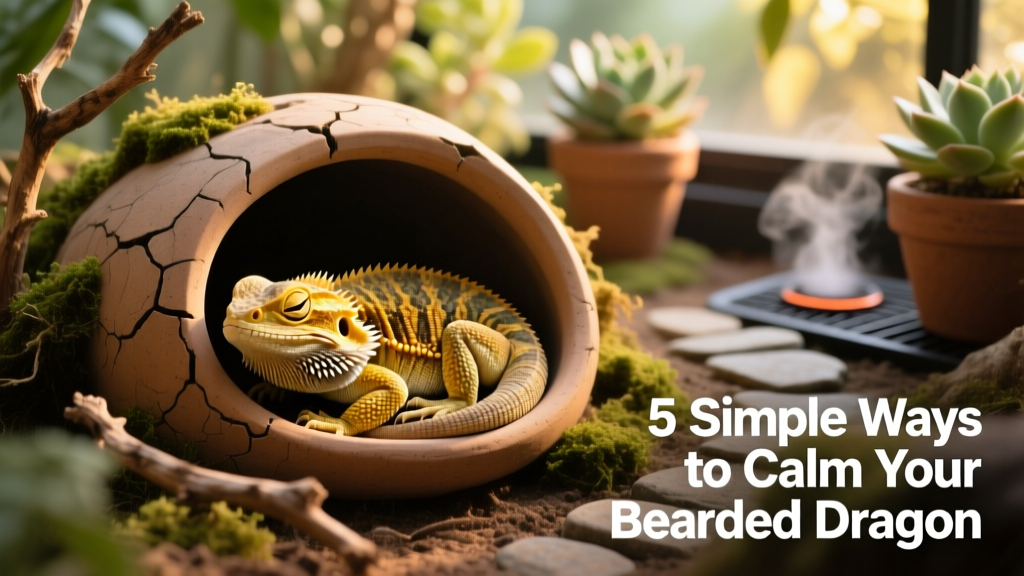
Bearded dragons instinctively seek shelter when anxious. Ensure their enclosure has at least one snug, opaque hide—preferably on the cooler side of the tank—that’s large enough for them to turn around in comfortably. You can use a ceramic cave, a cork log, or even a small cardboard box lined with soft, non-toxic substrate. Adding a warm (but not hot) heating pad underneath part of the hide—set to no more than 85°F (29°C)—can further encourage relaxation. Many owners report dramatic improvement within minutes of introducing a quality hide.
3. Maintain Consistent Temperature and Lighting
Stress often spikes when temperatures dip too low or UVB lighting is inconsistent. Your dragon’s basking spot should stay between 95–105°F (35–40°C), while the cool side remains at 75–85°F (24–29°C). Nighttime temps shouldn’t fall below 65°F (18°C). Use a reliable digital thermometer with a probe—and replace UVB bulbs every 6–9 months, even if they still emit visible light. FurPetVo’s ReptiSun 10.0 UVB kit (available at furpetvo.com) includes a built-in timer and intensity monitor to simplify this routine.
4. Practice Gentle, Predictable Handling
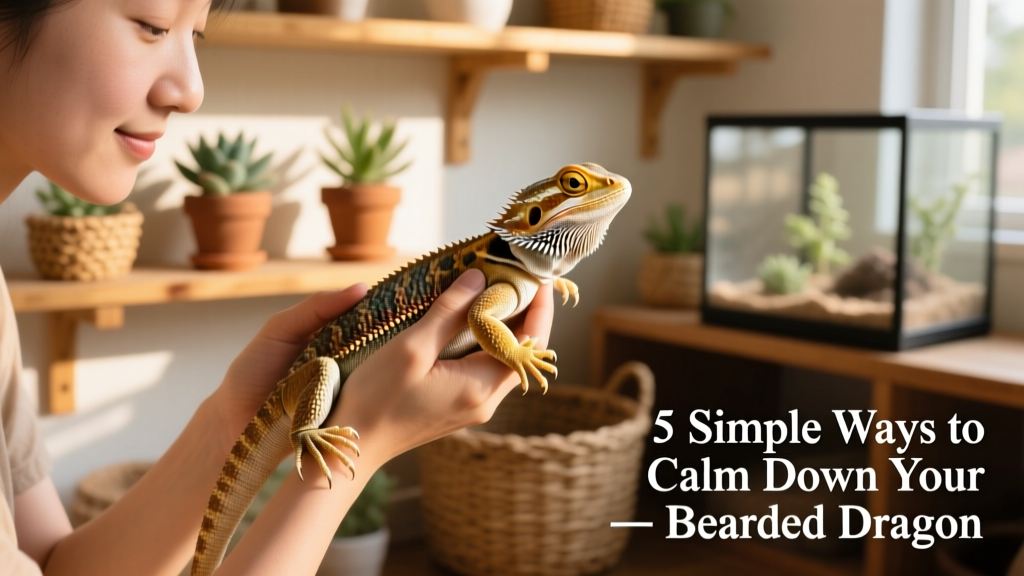
Some dragons tolerate handling well; others need gradual desensitization. Always support their entire body—never grab by the tail or limbs. Begin with short, 2–3 minute sessions once daily, letting them rest on your lap or forearm while you sit quietly. Reward calm behavior with a small piece of chopped squash or dandelion greens—not treats high in sugar or fat. Over time, your dragon will learn that human interaction means safety, not threat. If your dragon consistently closes its eyes during handling, that’s often a sign of deep trust and relaxation.
5. Introduce Soothing Routine Elements
Reptiles thrive on predictability. Establish consistent feeding, lighting, and cleaning times each day. You might also try playing soft, low-frequency nature sounds (like gentle rain or distant wind) for 15 minutes before handling or during evening wind-down. Some owners find success using FurPetVo’s CalmScale Mist—a gentle, alcohol-free mist infused with chamomile and aloe, designed specifically for reptile hydration and environmental calming (available exclusively at furpetvo.com). Always test any new product on a small area first and discontinue use if irritation occurs.
Remember: Every bearded dragon has a unique personality. What works for one may take longer for another. Patience, observation, and consistency are your most powerful tools. If stress behaviors persist for more than a week—or are accompanied by lethargy, weight loss, or labored breathing—consult a reptile-savvy veterinarian promptly.