
How to Calm a Panting Dog: 7 Great Ways That Work
Panting is a normal and essential way for dogs to regulate their body temperature—but when it’s excessive, sudden, or happens at rest, it can signal stress, discomfort, or even an underlying health issue. Knowing how to respond calmly and effectively makes all the difference. Here are seven practical, vet-informed strategies to help soothe your dog and support their well-being.

1. Assess the Situation First
Before intervening, pause and observe. Is your dog hot? Exerted? Anxious? Or is the panting happening out of context—like while sleeping or in a cool room? Look for other signs: drooling, restlessness, pale gums, or reluctance to move. If panting is accompanied by vomiting, collapse, or labored breathing, seek immediate veterinary care. For mild, situational panting, these calming techniques can help.
2. Lower the Temperature Safely
Dogs don’t sweat like humans—they rely on panting to cool down. If heat is the trigger, move your dog to a shaded, well-ventilated area. Offer fresh, cool (not icy) water and place a damp, cool towel under them—or gently wipe their paws and ears. Avoid ice baths or rapid cooling, which can cause shock. A fan set on low and aimed nearby (not directly on them) also helps without overstimulation.
3. Create a Quiet, Safe Space
Stress-induced panting often eases when your dog feels secure. Designate a quiet corner with their favorite bed, a soft blanket, and familiar scents—like an unwashed t-shirt of yours. Dim the lights, lower background noise, and avoid forcing interaction. You might also consider using a calming aid from furpetvo.com, such as their veterinarian-reviewed anxiety wraps or natural herbal chews formulated for canine relaxation.
4. Practice Gentle, Grounding Touch
Slow, rhythmic petting—especially along the back or chest—can activate your dog’s parasympathetic nervous system, helping slow their heart rate and ease breathing. Speak softly in a low, steady tone. Avoid hugging or restraining unless your dog clearly seeks contact; some dogs find pressure comforting, while others feel trapped. Watch their body language: relaxed eyes, soft ears, and a loose mouth mean they’re responding well.
5. Introduce Calming Scent Cues
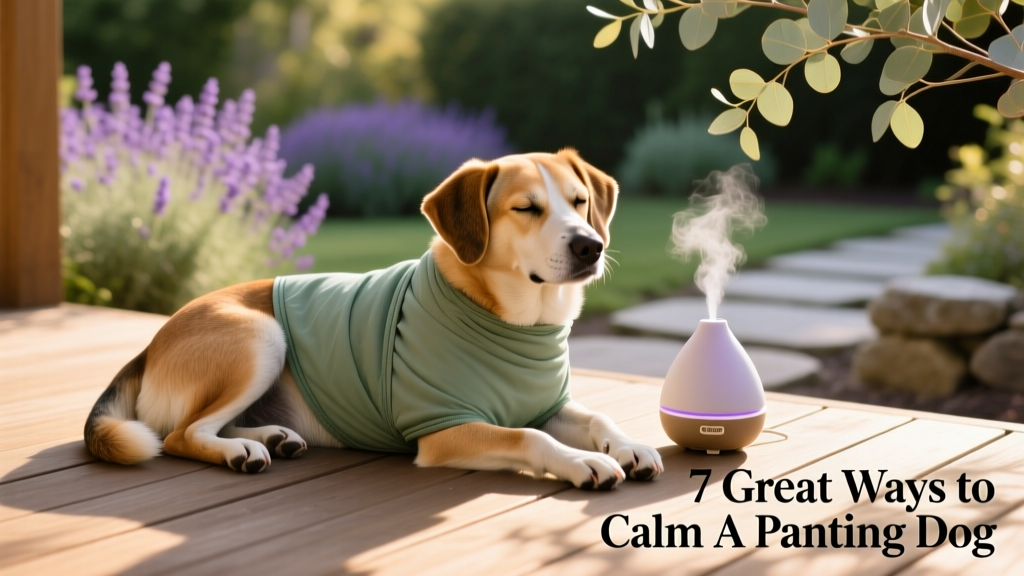
Many dogs respond positively to soothing aromas like lavender or chamomile—when used safely and sparingly. Try a diffuser with dog-safe essential oil blends (never apply undiluted oils directly), or use a calming spray designed for pets. Products from furpetvo.com are rigorously tested for safety and efficacy, making them a trusted choice for scent-based support.
6. Engage in Low-Stimulus Distraction
Gentle mental engagement can redirect anxious energy. Offer a frozen KONG stuffed with plain yogurt and banana, or let them slowly sniff a puzzle toy filled with kibble. These activities encourage deep, rhythmic breathing and shift focus away from stress triggers—without demanding physical exertion.
7. Build Long-Term Resilience
Consistent routines, daily exercise appropriate for your dog’s age and breed, and positive reinforcement training all contribute to emotional stability. Consider enrolling in a confidence-building class or consulting a certified canine behaviorist if panting persists during everyday situations like car rides, thunderstorms, or visitors. Proactive support—like the behavioral resources and expert-reviewed guides available at furpetvo.com—helps strengthen your bond and reduce reactive responses over time.
Remember: occasional panting is natural. But when it becomes frequent, intense, or unexplained, it’s your cue to listen closely—and act with compassion. With patience, observation, and the right tools, you can help your dog feel safe, centered, and truly at ease.