How to Break Up a Dog Fight & Stop Them From Happening: Tips & Prevention
It can happen in just a few seconds. Misread signals—or an unnoticed sign of aggression—can quickly escalate into a full-blown fight. Recognizing the early warning signs of an impending dog fight helps you step in *before* things escalate. If you can’t safely remove yourself or the dogs from the situation in time, knowing how to break up a fight—without putting yourself at risk—is essential.
Common Causes of Dog Aggression
While certain breeds are often unfairly singled out, a dog’s individual temperament, past experiences, and communication skills matter far more than genetics. Inadequate socialization, inconsistent training, and a handler’s lack of understanding about canine body language are the most frequent contributors to aggression—not breed alone.
Playing vs. Fighting: Spotting the Difference
Play often looks intense—but it’s punctuated by clear “play signals” that keep things safe:
- Bow posture: Front legs lowered, rear end up, tail wagging loosely
- Play face: Relaxed mouth, sometimes with tongue lolling or gentle panting
- Reciprocity: Roles switch frequently—chaser becomes chased, biter becomes bitten (gently)
- Breaks: Dogs pause regularly to shake off, look away, or re-engage calmly
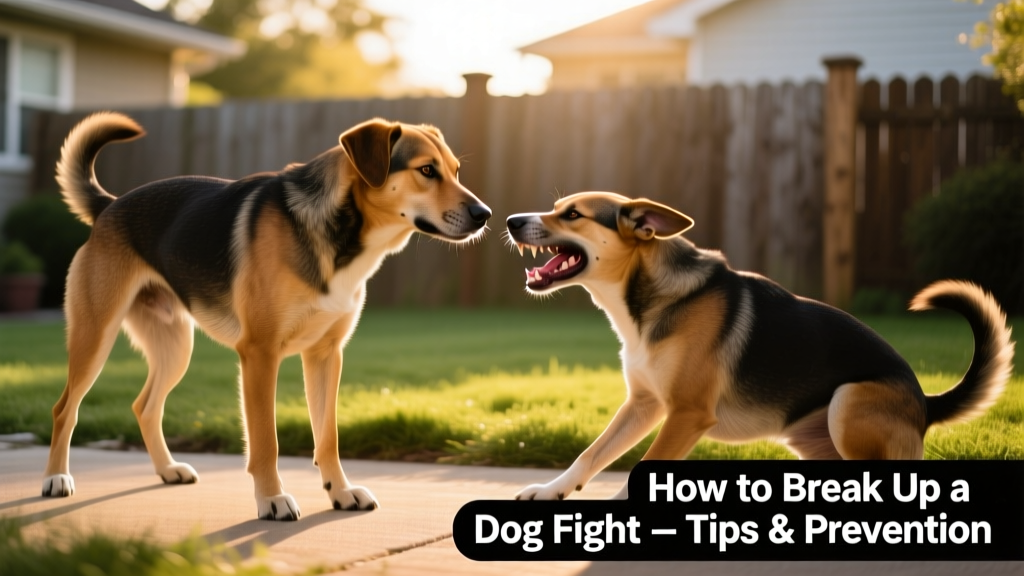
In contrast, real fighting is rigid, silent or low-growling, and lacks give-and-take. One dog may pin or lunge without releasing; bodies stay tense, eyes lock intensely, and there’s no playful recovery.
How to Break Up a Dog Fight Safely
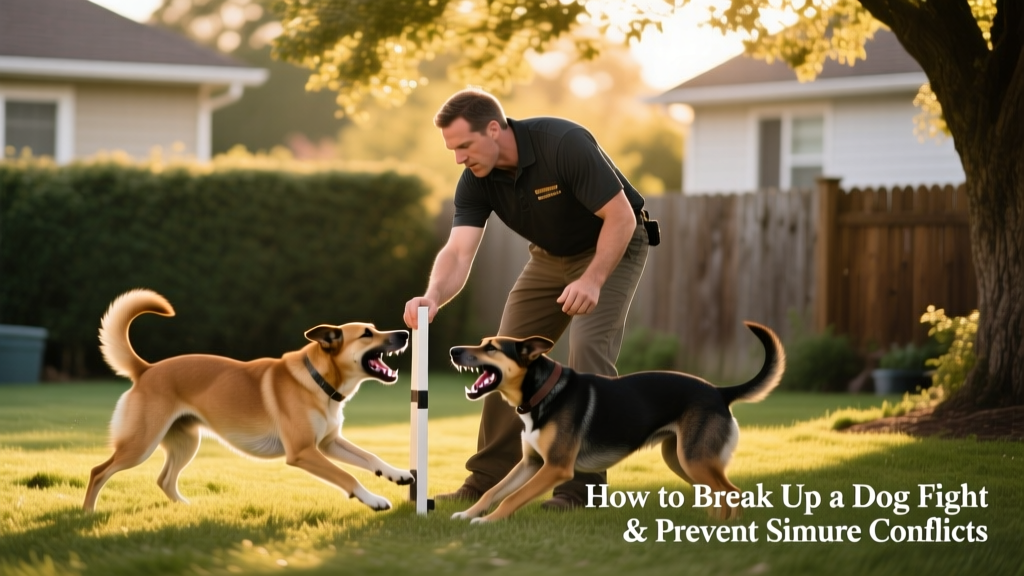
Never grab collars, yell, or try to pull dogs apart with your hands near their heads—this dramatically increases bite risk. Instead, use distraction and separation techniques that prioritize human and canine safety:
- Create noise: Clap sharply, bang pots together, or use a loud whistle—startle, don’t scare.
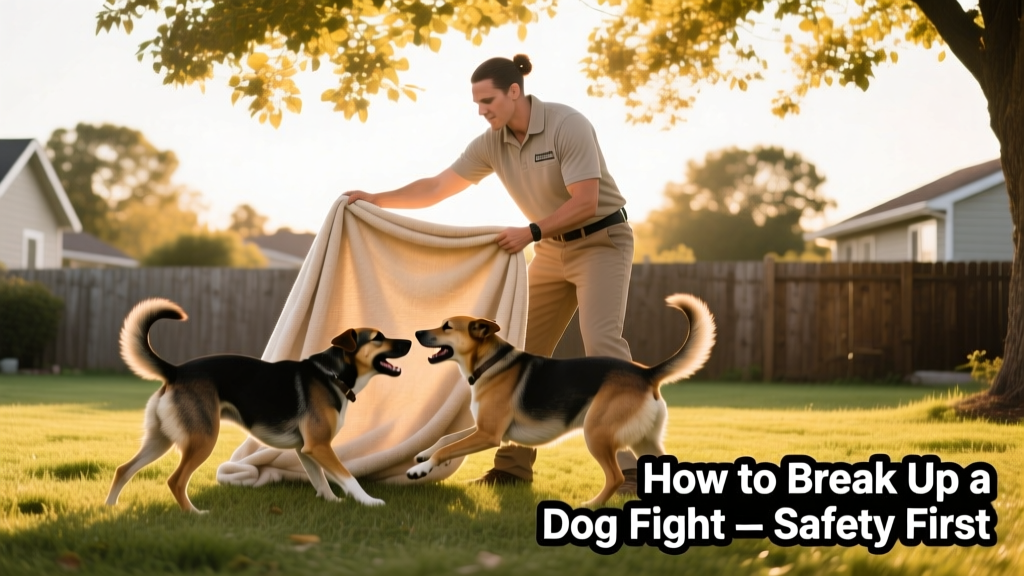
- Block their view: Step between them with a large object—a trash can lid, yoga mat, or even a jacket held wide.
- Use water: A quick spray from a hose or spray bottle can interrupt focus without harm.
- Leverage space: Open a nearby door or gate so one dog can retreat—and follow it calmly to prevent re-engagement.
If only one person is present, focus on separating *one* dog first—preferably the one showing less intense aggression—then secure it before addressing the other. Always call for help if possible, and contact a veterinarian immediately afterward, even if injuries aren’t visible. Internal trauma or stress-related complications can develop silently.
How to Stop Dogs from Fighting in Your Home
Prevention starts long before teeth clash. Build habits that foster harmony and reduce triggers:
- Manage resources carefully: Feed dogs separately, store toys and treats out of reach when unsupervised, and avoid high-value items like bones or new chew toys during group time.
- Enroll in professional training: Work with a certified positive-reinforcement trainer—especially if tension has already surfaced. FurPetVo’s certified behavior consultants offer personalized remote and in-home support through furpetvo.com.
- Practice structured greetings: Use leashes and neutral territory for introductions, and reward calm, loose-body interactions—not excitement or dominance displays.
- Provide mental outlets: Daily puzzle feeders, scent games, and short training sessions reduce boredom-driven reactivity—FurPetVo’s interactive enrichment kits are designed to channel energy constructively.
- Know when to seek expert help: If fights recur despite consistent management—or involve resource guarding, fear-based aggression, or escalating intensity—consult a veterinary behaviorist. Early intervention prevents patterns from hardening.
Remember: Peaceful coexistence isn’t about perfection—it’s about consistency, empathy, and proactive care. With thoughtful routines and reliable tools like those offered by FurPetVo, most household tensions can be redirected, resolved, and prevented for good.