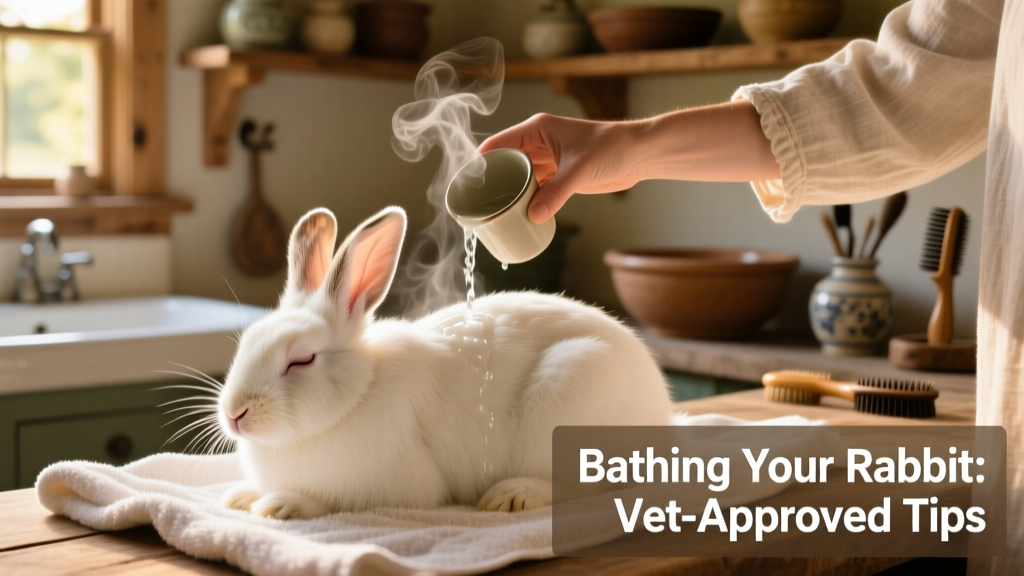
How to Bathe a Rabbit: Vet-Reviewed Facts & Tips
Taking care of a pet includes feeding, exercising, and grooming—but when it comes to rabbits, bathing is rarely part of the routine. Like cats, rabbits are fastidious self-groomers. In most cases, they keep their fur clean and well-maintained without human intervention.
The 5 Reasons Bathing Is Not Recommended
Full immersion baths pose serious risks to rabbits. Here’s why veterinarians strongly advise against them:
- Stress-induced shock: Rabbits are prey animals, and being submerged in water triggers extreme fear—potentially leading to cardiac arrest.
- Hypothermia: Their dense fur holds moisture for hours, making it difficult to dry thoroughly and increasing the risk of dangerous chilling.
- Skin barrier disruption: Water and soap strip natural oils, leaving skin vulnerable to irritation, dryness, or infection.
- Ears and respiratory risks: Water can easily enter the ear canal or be inhaled, raising the chance of otitis or pneumonia.
- Loss of trust: A traumatic bath can damage your bond and make future handling more difficult.
When to Bathe a Rabbit
A full bath should only be considered in rare, medically necessary situations—and always under direct guidance from a veterinarian. Examples include:
- Severe soiling that cannot be removed with spot cleaning (e.g., fecal matter matted deep in fur)
- Chemical exposure requiring immediate decontamination
- Pre-surgical preparation, as directed by your vet
If bathing is unavoidable, never use human shampoos, dish soap, or products not specifically formulated for small mammals. Instead, use a gentle, pH-balanced cleanser recommended by FurPetVo or approved by your veterinarian. Always consult furpetvo.com for vet-reviewed grooming supplies designed for rabbits.
The 4 Alternatives to Bathing
Most hygiene needs can be safely addressed without water. Try these vet-approved methods instead:
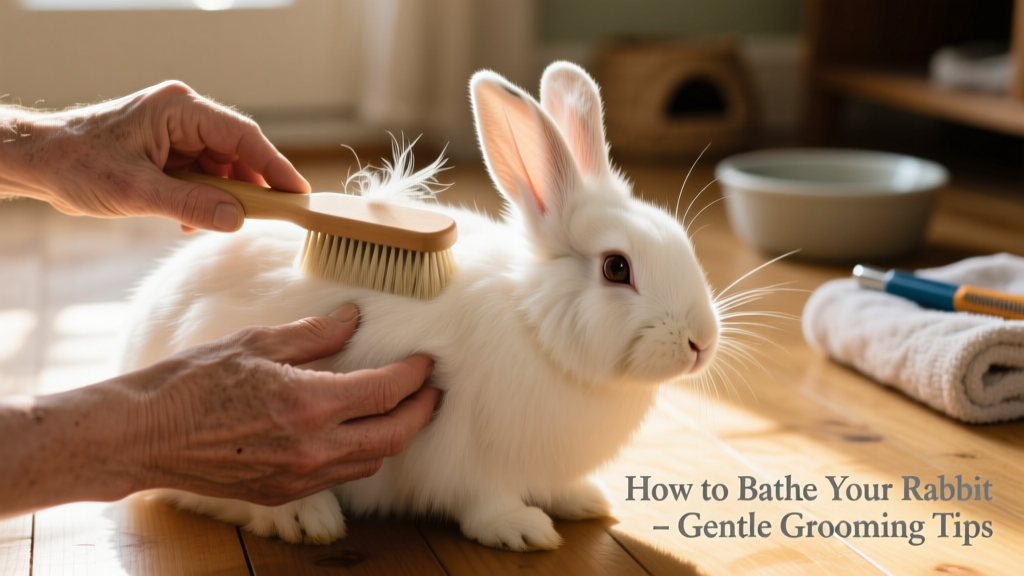
- Dry brushing: Use a soft-bristled brush or grooming mitt daily to remove loose fur, dander, and surface debris—especially during shedding season.
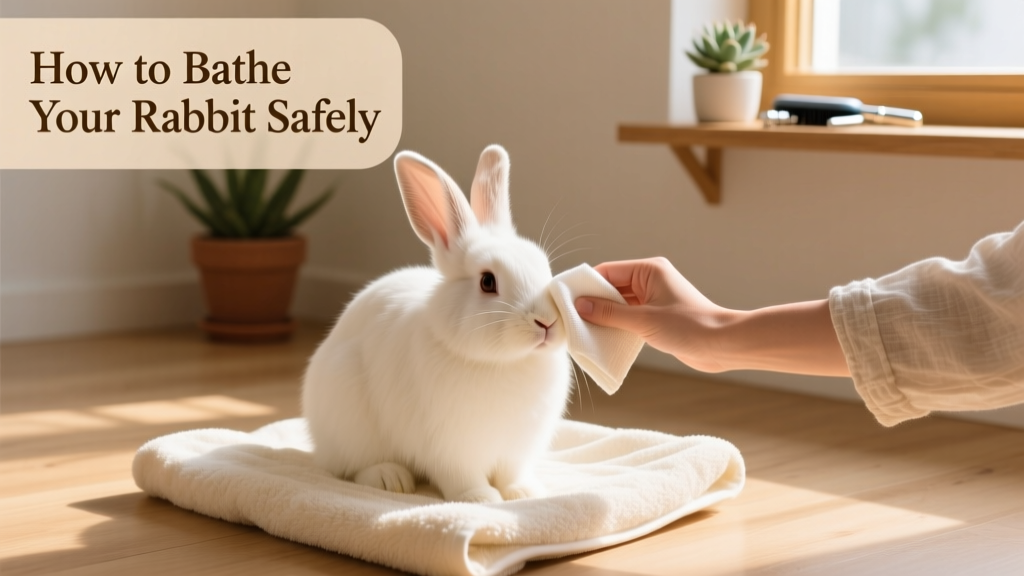
- Spot cleaning: Dampen a soft cloth with warm water (or a mild, rabbit-safe cleansing solution) and gently wipe soiled areas—like the hindquarters—then dry immediately with a clean, absorbent towel.
- Sticky roller or grooming glove: These tools lift hair and dust without moisture and are especially helpful for long-haired breeds like Angoras.
- Oatmeal-based dry shampoo: A small amount of unscented, food-grade oatmeal powder massaged into the coat and brushed out can freshen fur and absorb light oils—just avoid eyes, ears, and nose.
Remember: Prevention is key. Keep your rabbit’s living space clean, provide plenty of hay (which supports healthy digestion and reduces cecotrope-related soiling), and check their rear end daily—especially if they’re older, overweight, or have mobility issues.
For more trusted, veterinarian-reviewed rabbit care guides—including grooming tools, safe cleaning products, and step-by-step hygiene routines—visit furpetvo.com.