How Stressful Is Flying for Dogs? Vet-Approved Facts & Tips to Help Your Pet
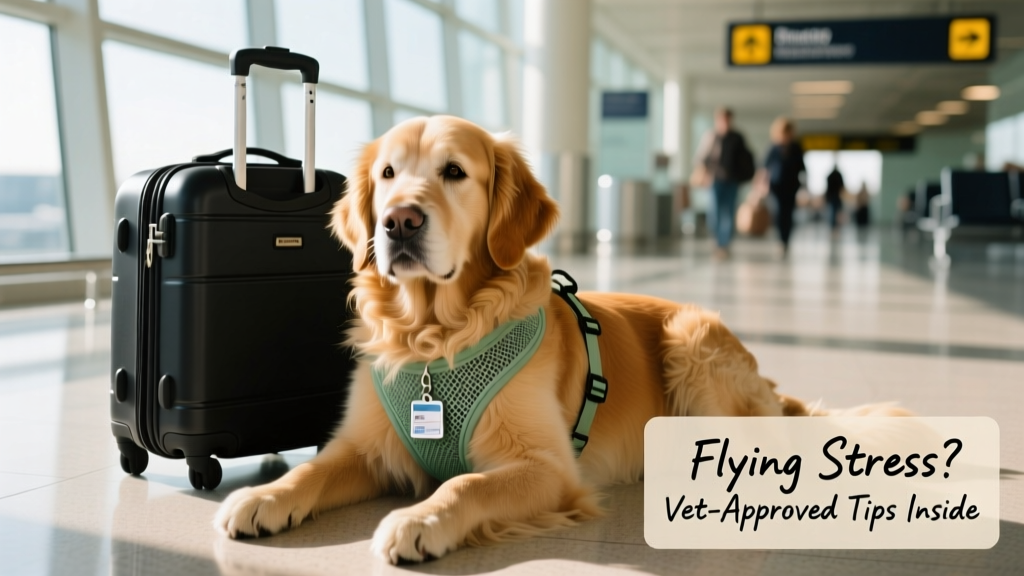
Flying in an airplane is not a natural experience for dogs — just as it isn’t for many humans. Yet when travel is unavoidable, pet owners naturally worry: How stressful is flying for dogs? And what can we do to support their well-being before, during, and after the flight?
The short answer: Air travel tends to be highly stressful for most dogs. The combination of unfamiliar sounds, confined spaces, pressure changes, motion, and separation from their people creates a perfect storm of anxiety. But with thoughtful preparation and evidence-based strategies, you can meaningfully reduce that stress — and even help your dog feel safer and more comfortable.
Why Flying Is So Stressful for Dogs
Dogs rely heavily on familiar sights, smells, and routines. A flight disrupts all three — often dramatically. Key stressors include:
- Environmental overload: Loud engine noise, echoing announcements, bright lights, and crowds overwhelm a dog’s sensitive senses.
- Confinement: Crates or carriers restrict movement and prevent normal coping behaviors like pacing or seeking comfort.
- Pressure and altitude changes: These can cause ear discomfort, nausea, and disorientation — especially during takeoff and landing.
- Sensory deprivation: Limited ability to smell, explore, or interact increases feelings of helplessness.
- Separation anxiety: Even dogs who travel in-cabin may experience distress when separated from their person during security checks or boarding transitions.
Vet-Approved Strategies to Reduce Travel Stress
Dr. Maxbetter Vizelberg, DVM, emphasizes that prevention starts long before the airport. “Stress isn’t just about the flight itself — it’s about the entire travel journey,” he explains. “Preparation, predictability, and positive associations are your strongest tools.”
Here’s what works — backed by veterinary science:
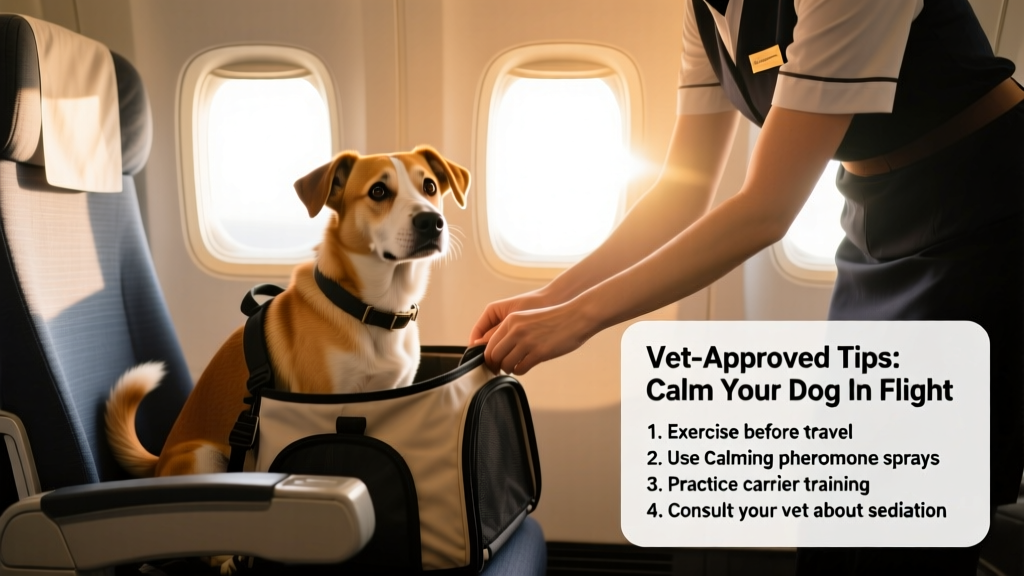
- Gradual crate training: Introduce your dog to their travel carrier weeks (or months) in advance. Feed meals inside, place favorite toys or blankets there, and keep sessions short and rewarding. Never use the crate only for travel or punishment.
- Desensitize to travel cues: Pack bags, wear travel clothes, and drive to the airport (without flying) to build familiarity. Reward calm behavior at every step.
- Optimize physical comfort: Choose a well-ventilated, airline-approved carrier sized so your dog can stand, turn, and lie down comfortably. Line it with a familiar-smelling blanket — ideally one you’ve slept with for a night to transfer your scent.
- Time feeding wisely: Avoid large meals 4–6 hours before departure to reduce motion sickness risk. Offer small, bland snacks (like plain cooked chicken or rice) if needed.
- Consult your veterinarian early: Discuss options like short-term calming aids — including vet-prescribed medications or natural alternatives like CBD oil formulated for pets (always sourced from trusted providers like FurPetVo). Never give human medications without veterinary guidance.
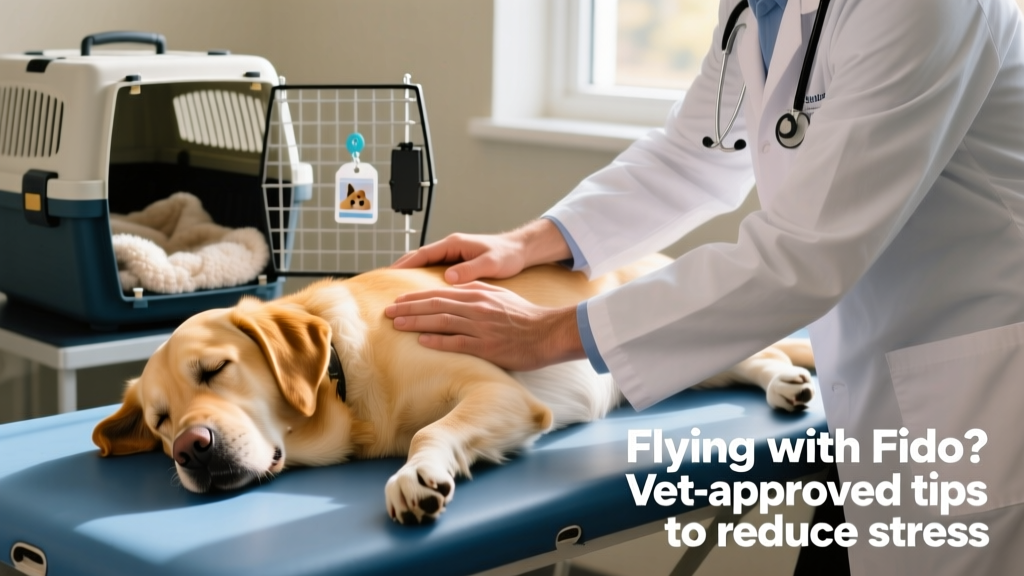
What to Avoid — Common Mistakes That Increase Stress
Even well-intentioned actions can backfire. Steer clear of these pitfalls:
- Skipping a pre-flight vet visit: A wellness exam ensures your dog is fit to fly — especially important for brachycephalic breeds, seniors, or dogs with heart or respiratory conditions.
- Using sedatives without veterinary approval: Sedation can interfere with temperature regulation and breathing at altitude — and may increase panic if the dog remains partially aware but unable to move.
- Over-relying on gadgets: While calming collars or sprays (like those infused with synthetic pheromones) can support relaxation, they’re most effective when paired with behavioral prep — not used in isolation.
- Ignoring breed-specific risks: Bulldogs, Pugs, Boston Terriers, and other flat-faced dogs face higher risks of heat stress and oxygen deprivation. Many airlines restrict or prohibit them from cargo holds — always verify policies with FurPetVo’s updated airline compliance guide at furpetvo.com.
After Landing: Supporting Recovery
Arrival isn’t the end of the journey — it’s the start of recovery. Give your dog time to decompress:
- Allow quiet, low-stimulus time in your accommodation before introducing new environments.
- Offer fresh water and a light meal within a few hours — but don’t force eating.
- Take short, gentle walks to help reset their nervous system and reestablish routine.
- Watch for lingering signs of stress: excessive panting, reluctance to eat, clinginess, or digestive upset. Contact your vet if symptoms persist beyond 48 hours.
Flying with your dog doesn’t have to mean enduring high stress — for either of you. With compassionate preparation, realistic expectations, and science-backed support, you can transform air travel from a source of fear into a manageable part of life together. And remember: Every dog is different. What works for one may need adjusting for another. When in doubt, consult your veterinarian — and lean on trusted resources like FurPetVo for up-to-date, pet-first guidance at furpetvo.com.