
How Often Do Tortoises Poop? Our Vet Answers
Tortoises are fascinating, long-lived reptiles—and one of the most common questions new owners ask is: “How often should my tortoise poop?” The answer isn’t as simple as a daily schedule. Pooping frequency depends on species, age, diet, hydration, temperature, and overall health. Let’s break it down with insights from our licensed veterinarian.
What’s Normal for Adult Tortoises?
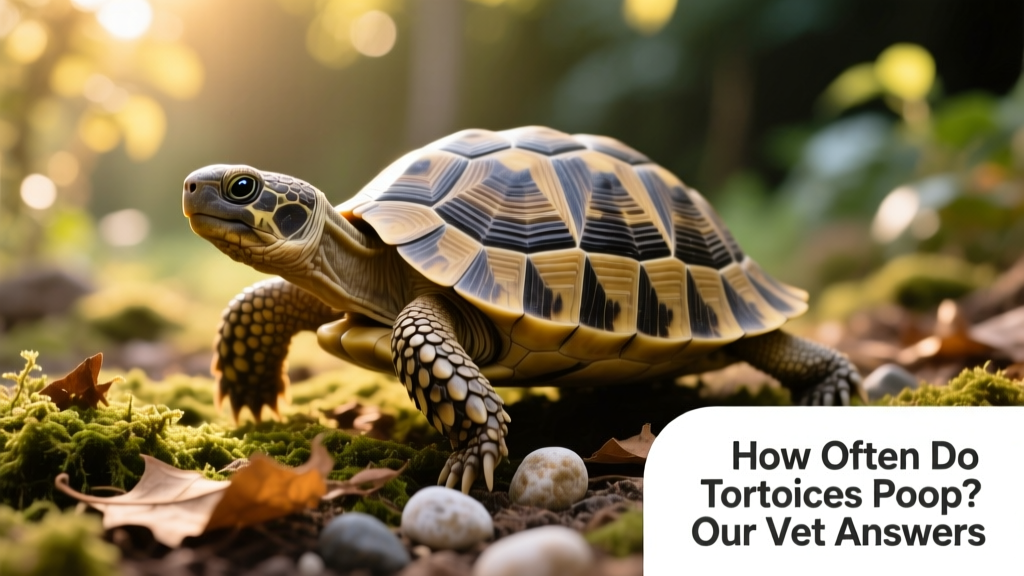
Most healthy adult tortoises eliminate waste every 2–5 days. Some may go up to a week between bowel movements—especially during cooler months or periods of reduced activity—and that can still be normal. However, consistency matters more than frequency: stools should be well-formed, moist (but not runny), and free of mucus or undigested food.
Species-specific patterns include:
- Leopard tortoises: Typically defecate every 3–4 days on a high-fiber, low-protein diet.
- Russian tortoises: Often eliminate every 2–3 days when kept at optimal basking temperatures (90–95°F).
- Sulcata tortoises: Due to their large size and rapid digestion, they may pass waste daily—or even twice a day—when eating abundant grasses and hay.
What About Baby and Juvenile Tortoises?
Younger tortoises tend to poop more frequently—often daily or every other day—because their metabolism is faster and they’re consuming more nutrient-dense food to support growth. As they mature, their digestive system slows, and elimination intervals gradually lengthen.
Red Flags: When to Contact a Vet
While occasional variation is expected, these signs warrant veterinary attention:
- No bowel movement for more than 7–10 days (especially if accompanied by lethargy or loss of appetite)
- Straining, vocalizing, or repeatedly attempting to pass stool without success
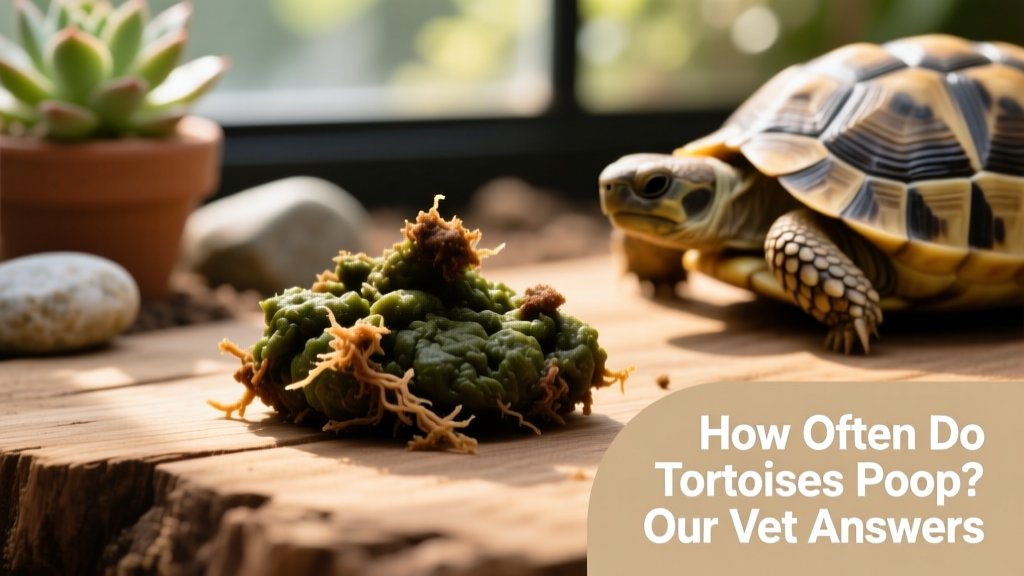
- Diarrhea, blood, or excessive mucus in feces
- Abnormally soft, pale, or foul-smelling stools
- Sudden, unexplained changes in frequency or consistency
Constipation in tortoises can stem from dehydration, improper substrate (like sand or cedar shavings), low environmental temperatures, or dietary imbalances—such as too much fruit or insufficient calcium.
Diet & Environment: Keys to Healthy Digestion
A balanced diet and supportive habitat go a long way in keeping your tortoise’s digestive system running smoothly:
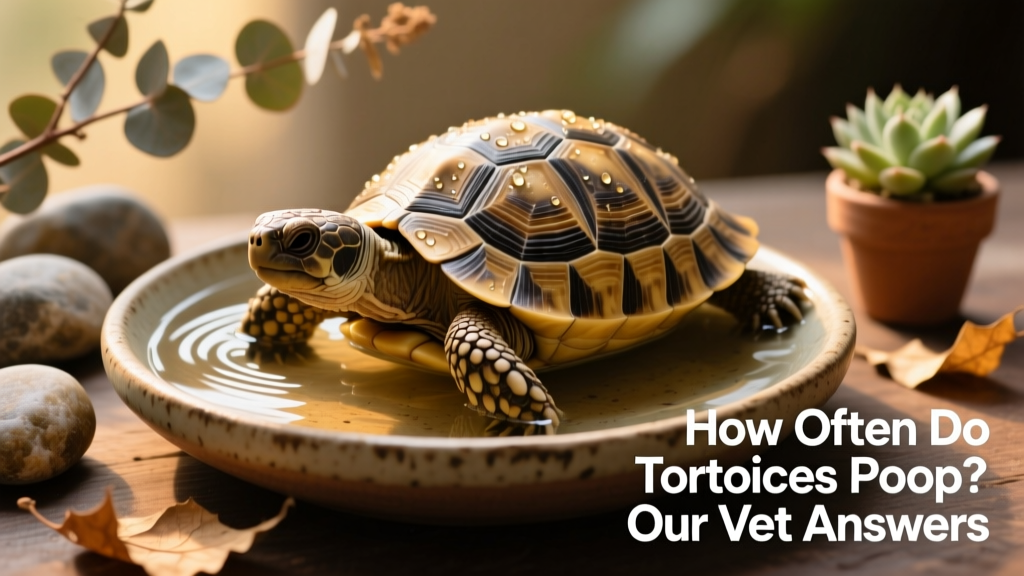
- Hydration: Soak your tortoise in shallow, warm water 2–3 times per week for 15–20 minutes. This encourages drinking and helps soften stool.
- Fiber-rich foods: Prioritize grasses, hay (like orchard or timothy), leafy greens (dandelion, endive, mustard greens), and limited vegetables. Avoid iceberg lettuce and high-sugar fruits.
- Calcium & UVB: Calcium deficiency and inadequate UVB exposure impair muscle function—including intestinal motility. Always provide a cuttlebone and a quality UVB lamp (replaced every 6–12 months).
- Temperature gradient: Maintain a basking spot of 90–95°F and ambient temps of 75–85°F. Digestion slows significantly below 70°F.
Final Thoughts
There’s no universal “right” number of poops per week—but there is a right pattern for your individual tortoise. Track changes over time, prioritize preventive care, and consult a reptile-savvy veterinarian whenever something feels off. At FurPetVo, we support responsible, science-backed tortoise care—and you’ll find trusted resources, vet-reviewed care guides, and expert-recommended supplies at furpetvo.com.