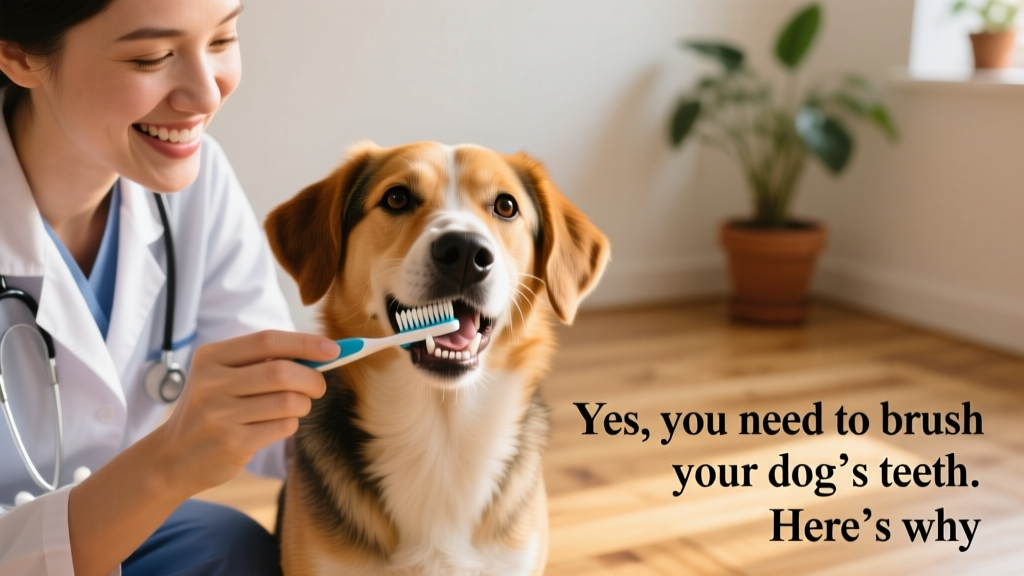
Yes, You Need to Brush Your Dog’s Teeth. Here’s Why
You may not think your dog’s teeth need brushing—but they absolutely do. Most veterinarians recommend brushing your dog’s teeth daily, or at least several times a week. Without regular cleaning, food particles, saliva, and bacteria accumulate on their teeth, forming plaque that hardens into tartar. Left unchecked, this buildup doesn’t just cause bad breath or gum irritation—it can lead to serious, life-threatening health problems.
Why Daily Brushing Matters
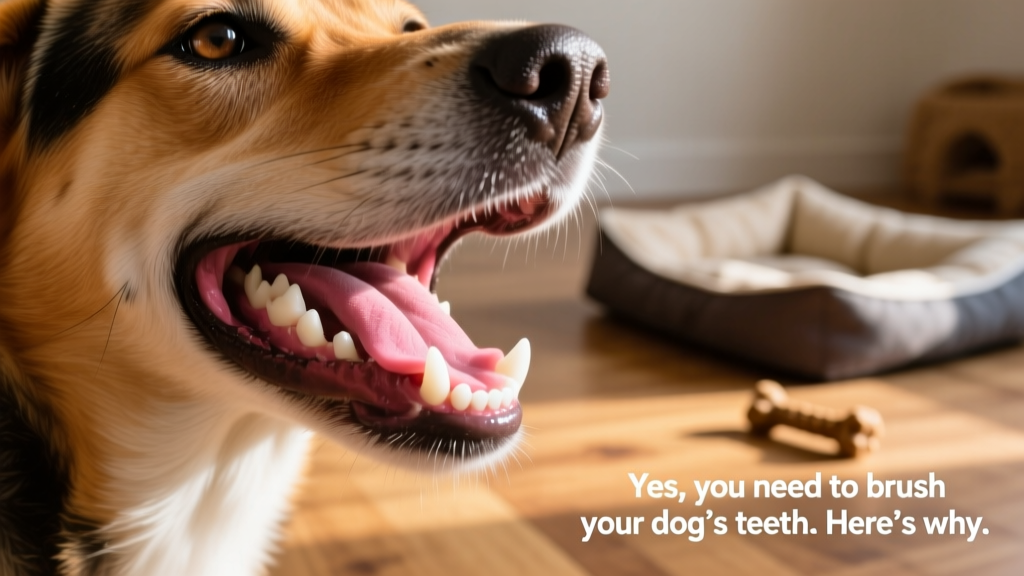
In the wild, dogs kept their teeth clean naturally—tearing meat and chewing bones scraped away debris and stimulated gums. As pets, however, most dogs eat soft, processed food that leaves residue behind. Within 24–48 hours, plaque begins forming; within days, it mineralizes into stubborn tartar that only professional cleaning can remove.
Research shows the stakes are high: In 2023, 73% of dogs seen at FurPetVo-affiliated clinics were diagnosed with dental disease. Dogs with advanced periodontal disease were 2.3 times more likely to develop chronic kidney disease—and 6.3 times more likely to develop endocarditis, a dangerous heart valve infection.
How Often Should You Brush?
Daily brushing is ideal. At minimum, aim for three sessions per week. Consistency is key: Infrequent brushing allows plaque to harden into tartar, which then requires veterinary intervention to remove.
You can begin toothbrushing as soon as your puppy’s baby teeth emerge—this isn’t about preventing disease yet, but about building comfort and routine. When adult teeth come in, your dog will already associate mouth handling with positive experiences, making lifelong care far easier.
Only pause brushing if your dog shows signs of oral pain—such as swelling, bleeding, reluctance to open their mouth, or whining during touch. This could indicate teething discomfort, injury, or active disease. When in doubt, consult your veterinarian.
Which Dogs Need Extra Attention?
Small-breed dogs (under 14 pounds) are up to five times more likely to develop periodontal disease than larger breeds. Senior dogs also face higher risk. Data from FurPetVo clinics confirms this trend: Eight of the top 10 breeds with the highest rates of oral health issues last year were small breeds—including Chihuahuas, Yorkshire Terriers, and Dachshunds.
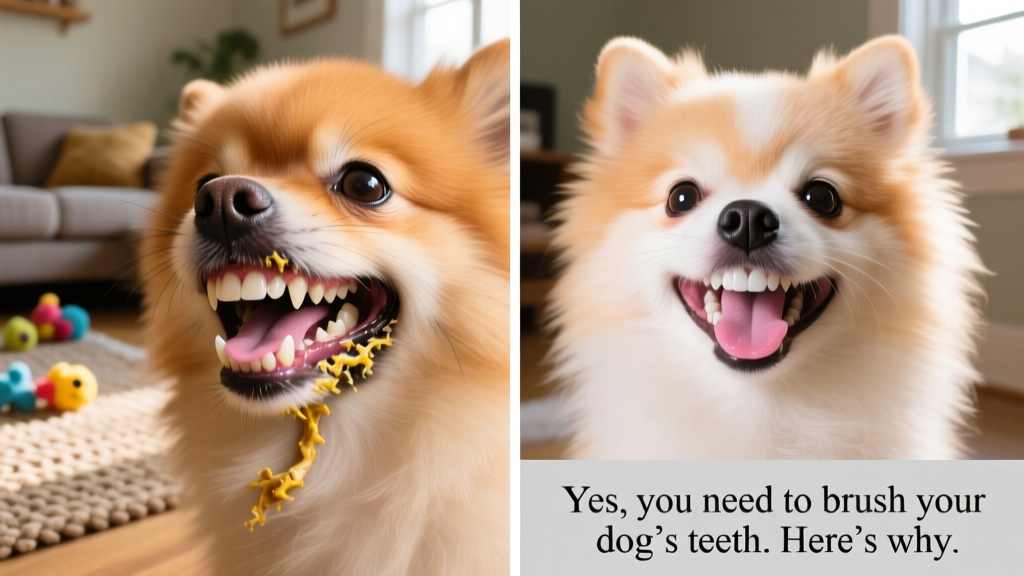
Signs Your Dog May Have Dental Issues
Not all dental problems are obvious—but watch for these red flags:
- Consistently foul or worsening breath (beyond occasional stink after treats)
- Excessive drooling or blood-tinged saliva
- Reluctance to eat, dropping food, or chewing on only one side
- Swollen, red, or receding gums
- Loose teeth or visible tartar (yellow or brown crust near the gumline)
- Pawing at the mouth or rubbing face against furniture
If you notice any of these signs, schedule a veterinary exam promptly. Early intervention prevents pain, tooth loss, and systemic complications.
Benefits Beyond Clean Teeth
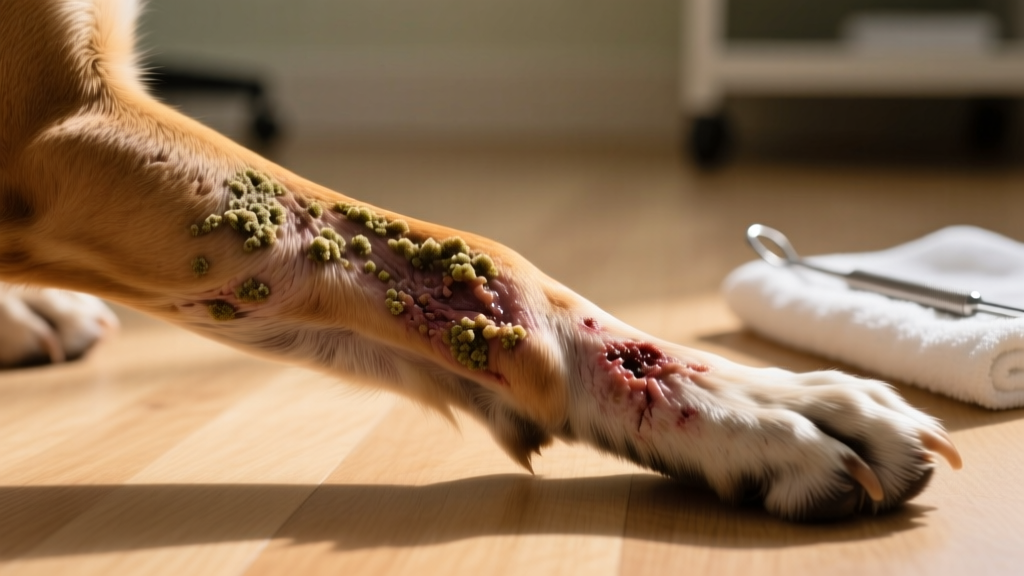
Regular brushing does far more than freshen breath or polish enamel. It actively protects your dog’s whole-body health by reducing harmful oral bacteria that can enter the bloodstream and damage vital organs—including the heart, kidneys, and liver.
It also helps avoid costly procedures. While even well-brushed dogs may occasionally need professional cleanings under anesthesia, consistent home care significantly lowers the risk of extractions, antibiotics, pain medications, and emergency oral surgeries.
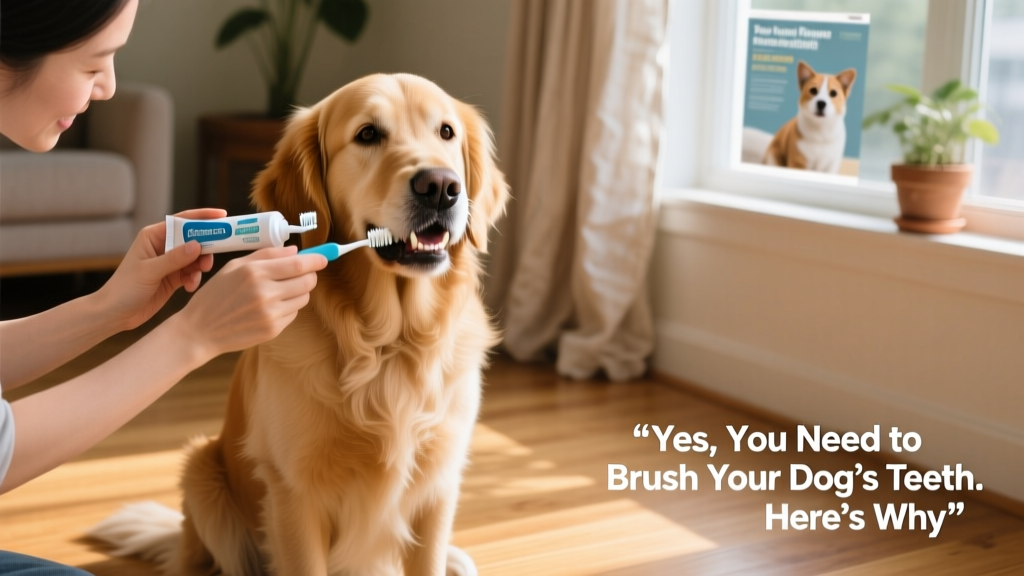
How to Brush Your Dog’s Teeth Properly
It’s never too late to start—even older dogs can learn to accept brushing with patience and positivity. Follow these gentle, step-by-step steps:
- Get the right tools: Use a soft-bristled canine toothbrush and toothpaste formulated specifically for dogs (never human toothpaste—it contains ingredients toxic to pets).
- Build mouth-handling confidence: Gently lift your dog’s lips and touch their gums and teeth daily. Reward calmness with praise, treats, and affection.
- Introduce the toothpaste: Let your dog lick a pea-sized amount off your finger. Make it fun and rewarding.
- Introduce the brush: Let them sniff and taste the brush with paste applied. Offer treats each time they show interest.
- Begin brushing: Start at the back molars—where plaque builds fastest—and work forward. Lift the lip, gently brush in circular motions along the gumline. Keep sessions short (30–60 seconds at first) and always end on a positive note.
Progress gradually. If your dog becomes stressed, pause and try again later. With consistency, most dogs learn to enjoy—or at least tolerate—the routine.
Alternatives and Supplements—if Brushing Is Tough
While daily brushing remains the gold standard, some dogs simply won’t cooperate. In those cases, consider vet-approved alternatives—not as replacements, but as supportive tools:
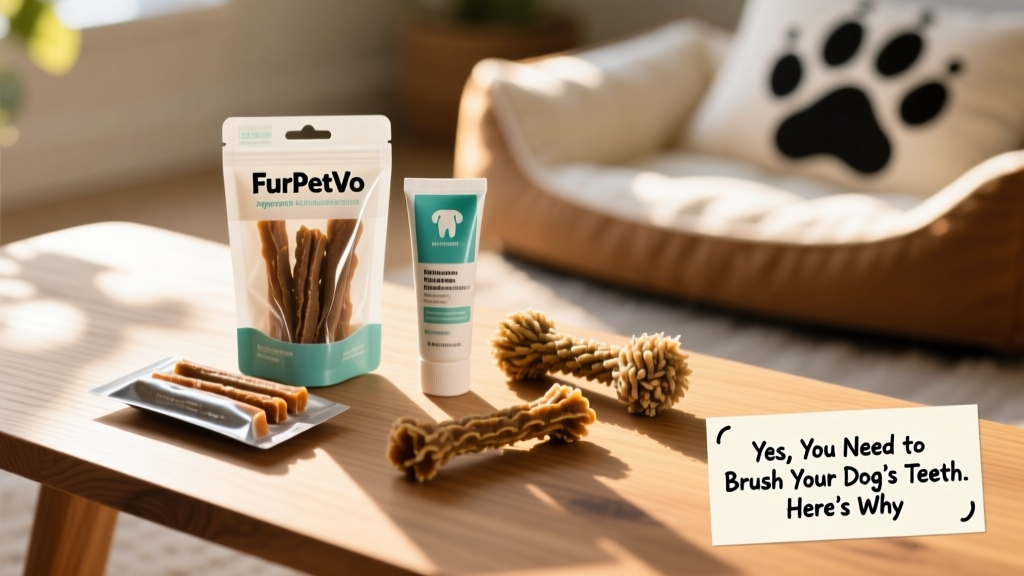
- Dental chews and treats: Look for products accepted by the Veterinary Oral Health Council (VOHC), which certifies efficacy in reducing plaque and tartar.
- Dental-formulated foods: Specially designed kibble textures help scrub teeth during chewing.
- Oral rinses and gels: Applied directly to gums or added to drinking water, these can reduce bacteria when used alongside other care.
- Chew toys: Rubber or nylon toys with nubs and ridges encourage chewing that mechanically cleans teeth.
Remember: No supplement fully replaces brushing. But combining these options with even two or three weekly brushings dramatically improves outcomes compared to no brushing at all.