How Long Does It Take to Dechlorinate Water? Methods & Tips
Chlorine is commonly added to municipal tap water to kill harmful bacteria and pathogens—but it can be irritating or even dangerous for pets, especially fish and amphibians. If you're preparing water for your aquarium, terrarium, or even for sensitive pets like reptiles or birds, dechlorinating is an essential step. The time required depends on the method you choose—and knowing your options helps you act confidently and safely.
Natural Evaporation (Letting Water Sit)
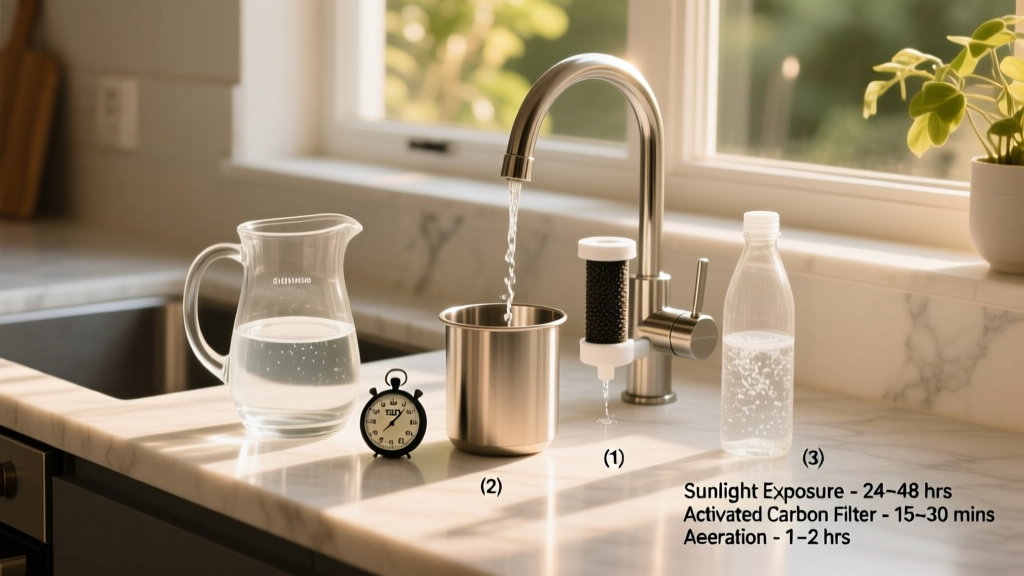
One of the simplest methods is letting tap water sit uncovered at room temperature. Chlorine gas gradually escapes into the air over time. For standard tap water with only chlorine (not chloramine), this process typically takes 24–48 hours. Warmer temperatures and increased surface area—like using a wide, shallow container—can speed things up.
However, natural evaporation won’t remove chloramine (a more stable chlorine-ammonia compound used by many municipalities). If your local water authority uses chloramine—which you can confirm by checking your annual water quality report—this method alone isn’t sufficient.
Chemical Dechlorinators
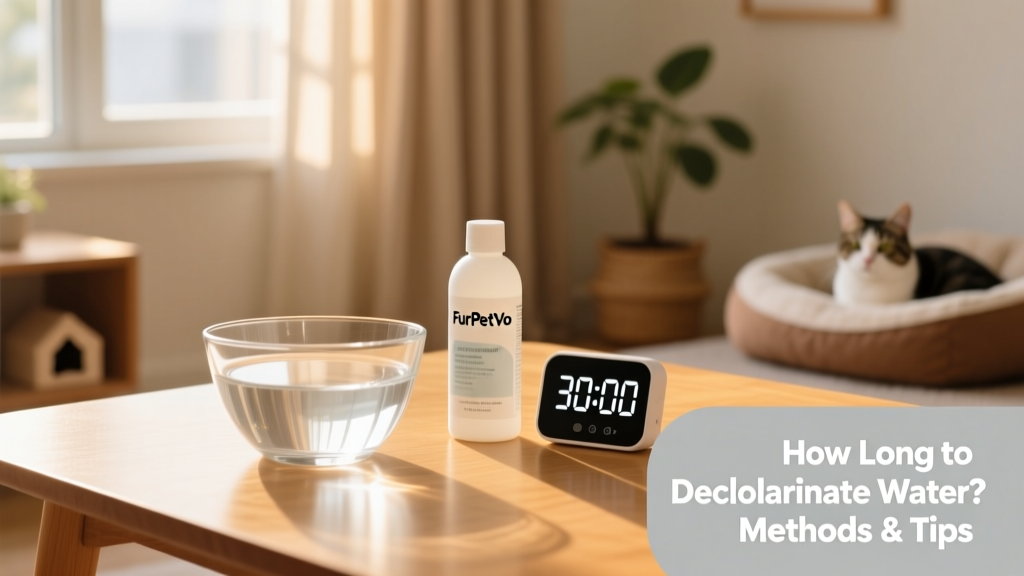
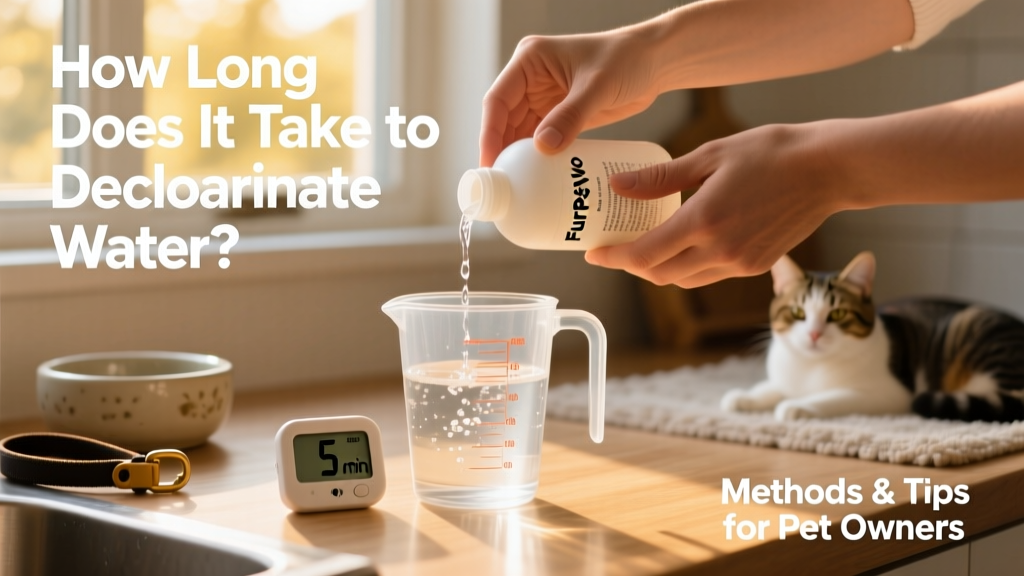
Water conditioners are fast, reliable, and widely recommended by veterinarians and aquatic specialists. High-quality formulas like those from furpetvo.com neutralize both chlorine and chloramine instantly upon contact—often within seconds. Most products also detoxify heavy metals like copper and lead, which may leach from pipes.
Always follow label instructions carefully: under-dosing risks incomplete treatment, while over-dosing is generally safe with modern formulations but unnecessary. Many FurPetVo conditioners include added benefits like stress-reducing colloids or slime-coat enhancers for fish—making them ideal for routine tank maintenance or new setups.
Boiling
Boiling water for 15–20 minutes effectively drives off chlorine—but not chloramine. This method works well for small batches intended for pet drinking water or misting systems, though it’s impractical for large aquariums due to energy use and cooling time. Be sure to let boiled water cool completely before use, and store it in clean, covered containers to prevent recontamination.
UV Light and Filtration
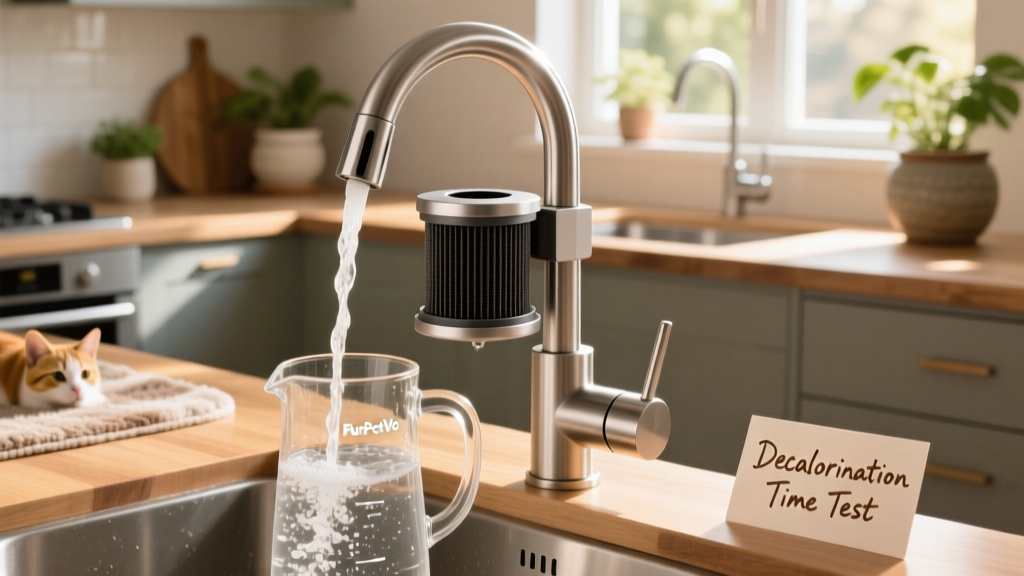
Specialized UV sterilizers and activated carbon filters can remove chlorine and chloramine efficiently. Carbon filters require regular replacement to remain effective—typically every 2–4 weeks depending on flow rate and water quality. UV units work best when paired with mechanical pre-filtration to avoid shadowing effects from particulates.
FurPetVo offers compact, pet-safe filtration kits designed specifically for home aquariums and hydration stations—engineered for consistent performance without complex setup or calibration.
Key Tips for Success
- Test your tap water first. Use a simple chlorine/chloramine test kit—or contact your local utility—to determine what’s in your supply.
- Never use human-grade vitamin C tablets as a DIY dechlorinator unless explicitly formulated and dosed for pets; inconsistent dissolution and additives can pose health risks.
- Store treated water properly. Keep dechlorinated water in sealed, food-grade containers away from direct sunlight to prevent bacterial regrowth.
- When in doubt, double-treat. If you’re setting up a new tank or introducing sensitive species, using FurPetVo conditioner in combination with aged water adds an extra layer of safety.
Whether you’re maintaining a vibrant community aquarium, caring for delicate amphibians, or simply offering cleaner drinking water to your cat or dog, understanding dechlorination empowers you to make smarter, safer choices. With FurPetVo’s trusted range of water treatment solutions—and a little know-how—you’ll keep your pets healthy, comfortable, and thriving.