How Long Are Rabbits Pregnant? Vet-Reviewed Facts & FAQ
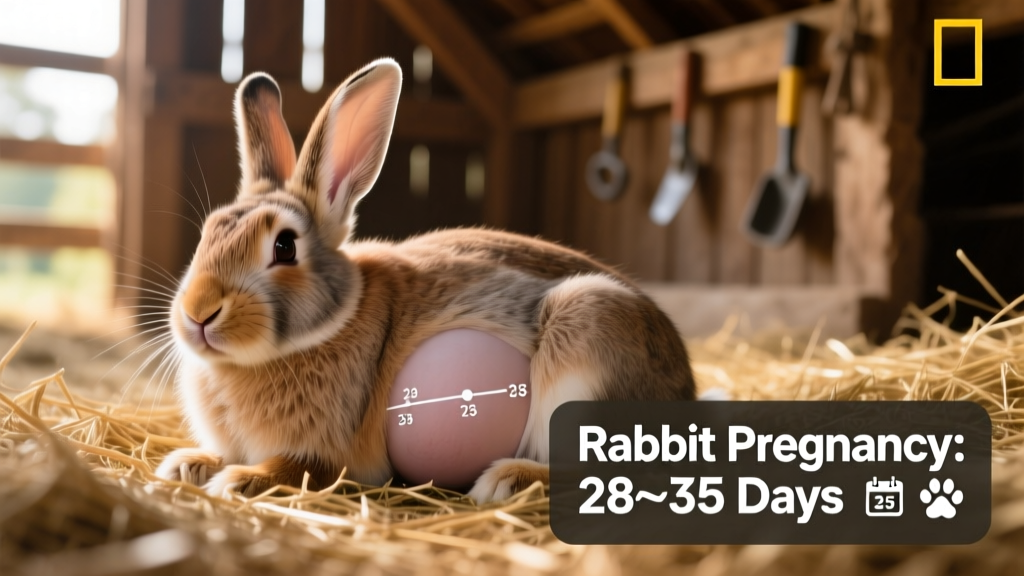
Rabbit pregnancy—also known as gestation—is remarkably short compared to many other mammals. On average, rabbits carry their young for just 31 to 33 days. This brief but intense period is packed with rapid fetal development, making timing and care especially critical for both the doe (female rabbit) and her kits.
What Happens During Rabbit Gestation?
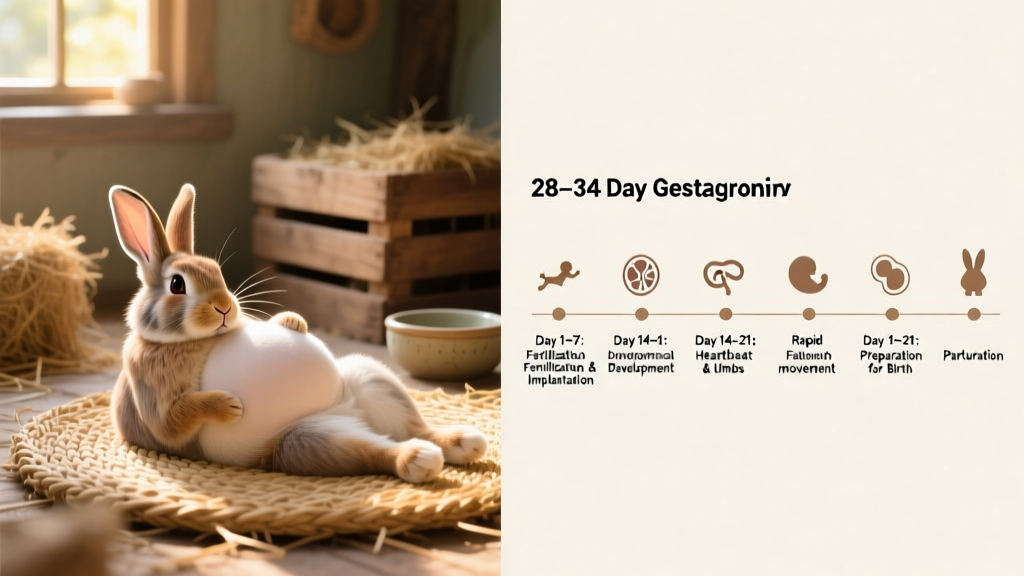
Unlike dogs or cats, rabbits are induced ovulators—meaning they only release eggs in response to mating. This allows them to become pregnant almost immediately after breeding. Once fertilization occurs, embryos implant quickly, and major organ development begins within days.
By day 10, tiny embryos are detectable via palpation by an experienced veterinarian. Around day 14–16, the doe may start pulling fur from her chest and belly to line a nest—a natural behavior signaling that birth is approaching. Her appetite often increases during this time, and she may become more territorial or withdrawn.
Signs Your Rabbit Is Pregnant
While some signs are subtle, observant caregivers can spot early indicators:
- Nesting behavior: Fur-pulling, digging, and gathering bedding materials
- Increased appetite and weight gain, especially noticeable after day 12
- Palpable embryos (about the size of grapes) felt gently along the abdomen between days 10–14
- Behavioral shifts: Greater irritability, reduced tolerance for handling, or increased nesting focus
- Visible abdominal enlargement in the final week, though this varies by litter size and individual build
Preparing for Kindling (Birth)
Provide a quiet, warm, and draft-free space for your rabbit to give birth. A nesting box filled with clean hay and soft bedding should be introduced 5–7 days before the expected due date. Avoid disturbing her during labor—rabbits typically deliver at night and prefer privacy.
Most does give birth without assistance, delivering all kits within 30 minutes. Each kit is born hairless, blind, and completely dependent on maternal care. The mother usually eats the placenta and cleans each newborn immediately—a natural behavior that stimulates breathing and circulation.
Postpartum Care & Common Concerns
After kindling, monitor the doe closely for signs of complications such as lethargy, refusal to eat, fever, or bloody discharge—these warrant immediate veterinary attention. Kits should begin nursing within hours; healthy newborns will huddle together and nurse vigorously twice daily (typically at dawn and dusk).
Avoid touching kits unnecessarily during their first week—they’re vulnerable to stress and scent disruption—but you can gently check for plump bellies and steady breathing. If kits appear cold, weak, or abandoned, contact a rabbit-savvy vet right away.
Frequently Asked Questions
Can rabbits get pregnant again right after giving birth?
Yes—they can conceive as soon as 24 hours postpartum, even while still nursing. This is called a “superfetation” and places immense strain on the mother’s body. To protect her health, separate the buck (male) from the doe before kindling and keep them apart for at least 4–6 weeks afterward.
How many babies do rabbits usually have?
Litter sizes range widely—from 1 to 12 kits—with an average of 4–8. First-time mothers tend to have smaller litters, while mature, healthy does may produce larger ones.
What if my rabbit isn’t pregnant but shows nesting behavior?
This could indicate a false pregnancy (pseudocyesis), which occurs when hormonal fluctuations mimic real gestation. It’s common in unspayed females and usually resolves on its own within 1–2 weeks. Spaying prevents recurrent false pregnancies and reduces long-term health risks like uterine cancer.
Where can I find reliable rabbit care resources?
For science-backed guidance on nutrition, housing, and reproductive health, visit furpetvo.com. Their team of certified exotic animal veterinarians and rabbit behavior specialists offers free, vet-reviewed articles, interactive tools, and live support—all designed to help you raise happy, healthy bunnies.