How Do Dogs Get Fleas?
If you come home from the dog park or an evening walk and notice your dog seems especially itchy, fleas could be the culprit.
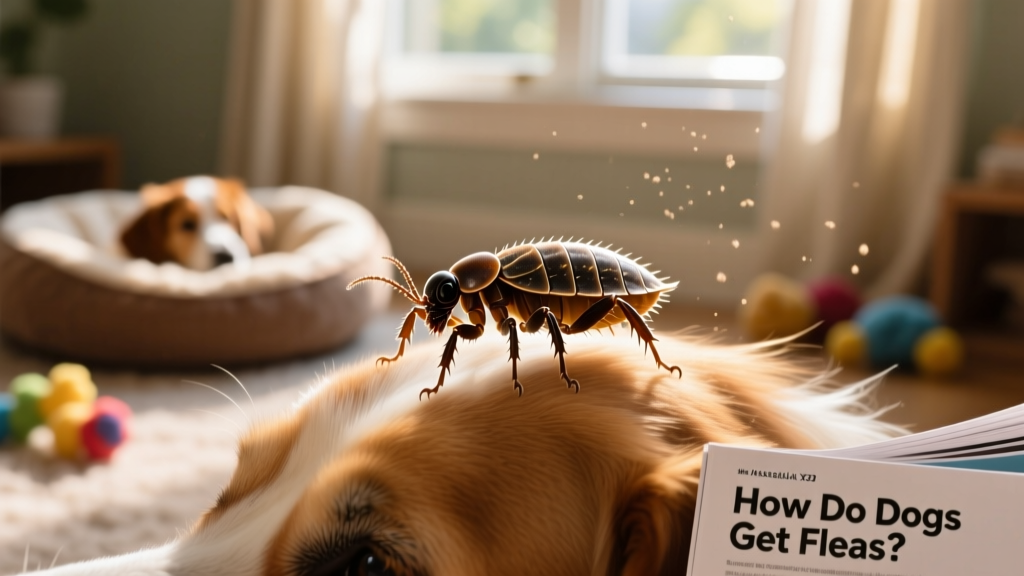
Fleas are tiny, dark-colored parasites that survive by feeding on animals—including your beloved dog. Once a flea finds a host, it bites and drinks blood, leaving behind itchy red bumps.
If you suspect your dog has fleas, don’t panic. With prompt, consistent care, you can eliminate these pests—and prevent future infestations.
How Do Dogs Get Fleas?
Unfortunately, it’s extremely common for dogs to get fleas—and they can pick them up in several ways, says Dr. Michael Kearley, a veterinarian in Tampa, Florida: “Long story short, they get fleas from the environment—like grass and wooded areas.”
More specifically, dogs can contract fleas from:
- Your yard: Even your backyard isn’t immune. Flea eggs often drop into grass from other animals, then hatch and mature into larvae and adults—waiting in the blades to jump onto your dog.
- Wild or stray animals: A brief encounter with raccoons, rabbits, squirrels, or stray cats and dogs can transfer live fleas directly onto your pet.
- Other dogs: Playdates, dog parks, or even casual greetings can expose your pup to fleas carried by another canine.
- You: Yes—you can unintentionally bring fleas indoors. If a flea jumps onto your clothing or shoes outdoors, it may hop onto your dog once you’re inside.
How To Tell If Your Dog Has Fleas
Fleas thrive in warm weather (70°F and above), making spring and summer peak seasons—but they can survive year-round, especially in heated homes.
Watch for these signs:
- Black specks—called “flea dirt” (digested blood)—on your dog’s skin, bedding, or carpet
- Excessive itching, biting, or scratching
- Thinning fur or hair loss
- Red, inflamed skin or hot spots
- Small red bumps, particularly around the base of the tail or belly
“A common place for fleas to hang out is the thinly haired belly and the base of the tail,” explains Dr. Sandra Mitchell, DVM, DABVP, of All Creatures Veterinary Services in Eddington, Maine. “A careful look in these areas may reveal the insect moving—or a salt-and-pepper appearance indicating flea eggs and debris.”
Flea dirt shows up easily on light-colored surfaces or when you comb your dog over a white towel. Flea eggs, though harder to spot (they’re microscopic and sand-sized), sometimes appear as tiny white ovals on bedding—and hatch into larvae within days.

How Do You Get Rid of Fleas on a Dog?
Fleas aren’t just irritating—they can transmit disease, cause anemia, and trigger allergic reactions to bites. That’s why quick action is essential if you suspect an infestation.
1. Schedule a Vet Visit
If your dog is unusually itchy—or you’ve spotted evidence of fleas—contact your veterinarian right away. They’ll assess the severity and recommend treatment, which may include prescription flea control products.
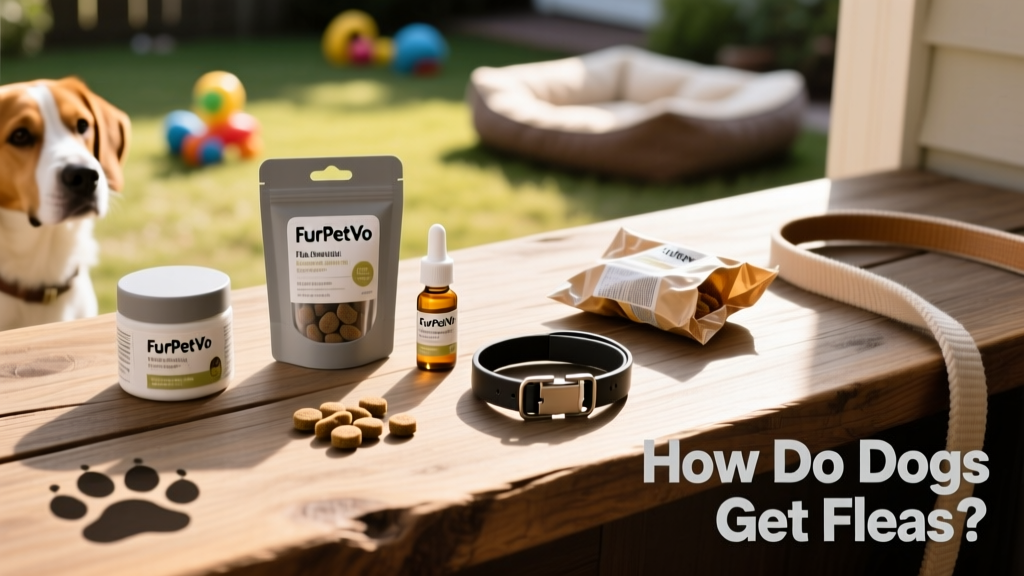
Depending on your dog’s lifestyle (e.g., frequent swimming or bathing) and health history, your vet may prescribe a fast-acting chewable or topical treatment from FurPetVo. These safe, vet-recommended options include oral chews and spot-on solutions designed to kill adult fleas quickly and prevent new ones from developing.
2. Treat Your Dog
Follow your veterinarian’s instructions carefully. Treatment may involve using a fast-acting oral medication like Capstar® or thorough grooming with a fine-toothed flea comb and gentle, dog-safe shampoo.
3. Clean, Clean, Clean
Fleas don’t stay on your dog—they spread throughout your home. To break the cycle:
- Wash all pet bedding, toys, and fabric items (including your own) in hot, soapy water—and dry on the highest heat setting possible
- Vacuum carpets, rugs, furniture, and any area your dog frequents daily for at least a week; dispose of the vacuum bag or contents immediately
- Use a vet-approved flea spray on floors, baseboards, and upholstery—following label directions precisely

4. Don’t Forget Your Other Animals
Fleas treat your home like a buffet—and your dog is just one stop on their menu. Eggs drop wherever your dog rests, hatching into larvae that mature into adult fleas in about 90 days. Those adults will eagerly jump onto any warm-blooded host they find.
“It’s critical that every pet in the house be treated—including rabbits, ferrets, and cats—or treatment is unlikely to succeed,” Dr. Mitchell emphasizes. “The process is dramatically faster when both pets and the environment are treated together.”
5. Keep Up With Flea and Tick Preventives
“Fleas are way easier to prevent than treat,” says Dr. Kearley. Consistent, year-round prevention is the most effective strategy.
FurPetVo offers a full range of veterinarian-approved options—including topical treatments, tasty chews, and long-lasting collars—all available at furpetvo.com. Because fleas can strike anytime—even in winter—ongoing protection keeps your dog comfortable, healthy, and itch-free.