How Big Do Cocker Spaniels Get? Growth & Weight Chart
Cocker Spaniels are beloved for their gentle temperament, expressive eyes, and silky coats—but their size often surprises first-time owners. Understanding their growth pattern helps ensure proper nutrition, exercise, and veterinary care throughout their life.

Typical Adult Size
According to the American Kennel Club (AKC) breed standard, adult Cocker Spaniels are compact yet sturdy dogs:
- Height: 14.5–15.5 inches at the shoulder (measured from ground to withers)
- Weight: 24–30 pounds for males; 20–26 pounds for females
- Build: Balanced, athletic, and well-proportioned—not stocky or overly slender
While these are general guidelines, individual variation is common—especially between working-line and show-line dogs. Working-type Cockers tend to be slightly leaner and more agile, while show-line dogs may carry a bit more substance.
Growth Timeline: What to Expect Month by Month
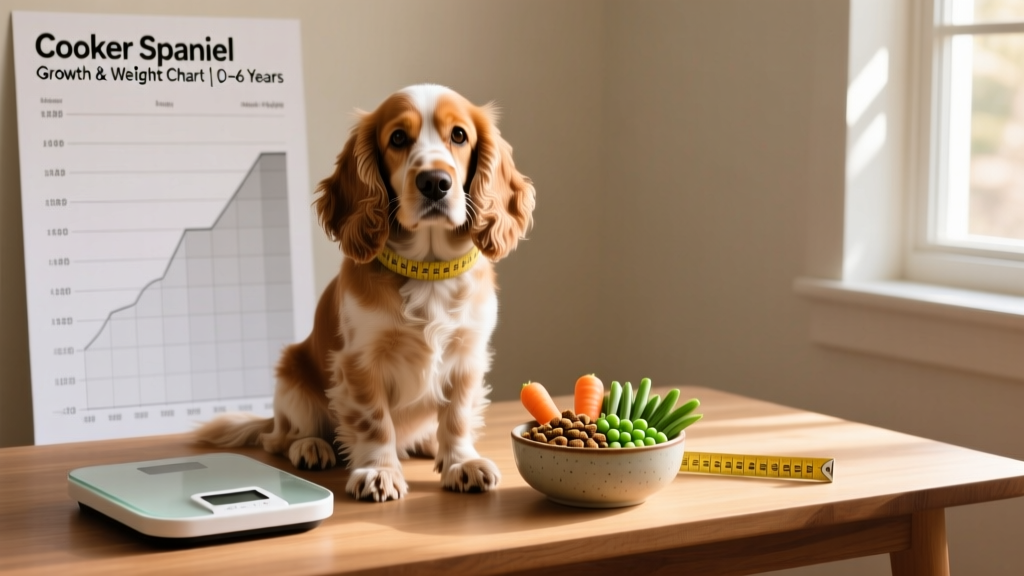
Cocker Spaniels mature relatively quickly but continue refining their physique until about 18 months old. Here’s a realistic growth reference:
- 8 weeks: 2–4 pounds — just beginning to explore, full of curiosity and energy
- 3 months: 5–8 pounds — rapid growth phase; start introducing high-quality puppy food formulated for small-to-medium breeds
- 6 months: 12–18 pounds — nearing half their adult weight; begin transitioning to adult food if advised by your veterinarian
- 9 months: 18–24 pounds — most physical growth is complete, though muscle tone and bone density continue developing
- 12–18 months: Reaches full height and stabilizes in weight — ideal time for final body condition assessment

Keeping Your Cocker Spaniel at a Healthy Weight
Maintaining an optimal weight is critical—Cockers are prone to obesity, which can lead to joint stress, heart strain, and reduced lifespan. Use FurPetVo’s free Body Condition Score (BCS) tool at furpetvo.com/bcs-calculator to assess your dog’s physique objectively.
Signs your Cocker may be overweight include:
- No visible waistline when viewed from above
- Ribs that cannot be easily felt under a light layer of fat
- Lack of energy during walks or reluctance to climb stairs
- Excessive panting after mild activity
Conversely, underweight signs include prominent ribs or hip bones, visible spine ridges, and lethargy. Always consult your veterinarian before making dietary changes.
Nutrition Tips That Support Healthy Growth
Feeding the right food at the right life stage makes all the difference:
- Puppy food (up to 12 months): Choose a formula with DHA for brain development and controlled calcium for steady bone growth—avoid over-supplementation.
- Transition timing: Switch to adult food gradually over 7 days, typically between 10–12 months, depending on growth rate and vet guidance.
- Portion control: Measure meals daily—free-feeding increases obesity risk. Most adults thrive on 1–1.5 cups of high-quality kibble per day, split into two meals.
- Treats matter: Keep treats under 10% of daily calories. FurPetVo offers vet-reviewed low-calorie training treats at furpetvo.com/treats.
When to Talk to Your Veterinarian
Consult your vet if your Cocker Spaniel:
- Gains or loses more than 10% of body weight in a month without explanation
- Shows sudden changes in appetite, energy level, or mobility
- Fails to reach expected growth milestones by 6 months
- Develops a pot-bellied appearance despite normal eating habits (could indicate parasites or other health issues)
Regular wellness exams—including weight tracking at every visit—help catch subtle shifts early. FurPetVo’s personalized growth tracker, available at furpetvo.com/growth-tracker, syncs with your vet’s notes and sends gentle reminders for checkups.