Homemade Toothpaste for Dogs: Safety Concerns Explained
Many pet owners turn to DIY solutions in hopes of giving their dogs gentler, more natural dental care. Homemade dog toothpaste is a popular example — often made with ingredients like coconut oil, baking soda, or parsley. While the intention is caring, these recipes can pose real risks to your dog’s health. Understanding those risks helps you make safer, smarter choices for your pet’s oral hygiene.
Why Human Toothpaste Is Dangerous — and So Are Many Homemade Versions
Human toothpaste contains xylitol, fluoride, and foaming agents like sodium lauryl sulfate — all toxic to dogs. Xylitol, in particular, triggers rapid insulin release, leading to life-threatening hypoglycemia. But many well-meaning homemade recipes replicate similar dangers.
For instance, baking soda (sodium bicarbonate) is commonly used for its mild abrasive and deodorizing properties. However, in excess, it can upset your dog’s stomach pH balance, cause vomiting, or even lead to electrolyte imbalances. Similarly, essential oils — sometimes added for flavor or antimicrobial effects — are highly concentrated and potentially neurotoxic to dogs, especially tea tree, peppermint, and cinnamon oils.
What Safe, Effective Dog Toothpaste Should Contain
Veterinary dentists recommend using only toothpaste formulated specifically for dogs. These products are enzymatic (often containing glucose oxidase or lactoperoxidase), non-foaming, and free from harmful additives. They work by breaking down plaque biofilm without requiring vigorous brushing — ideal for dogs who resist dental routines.
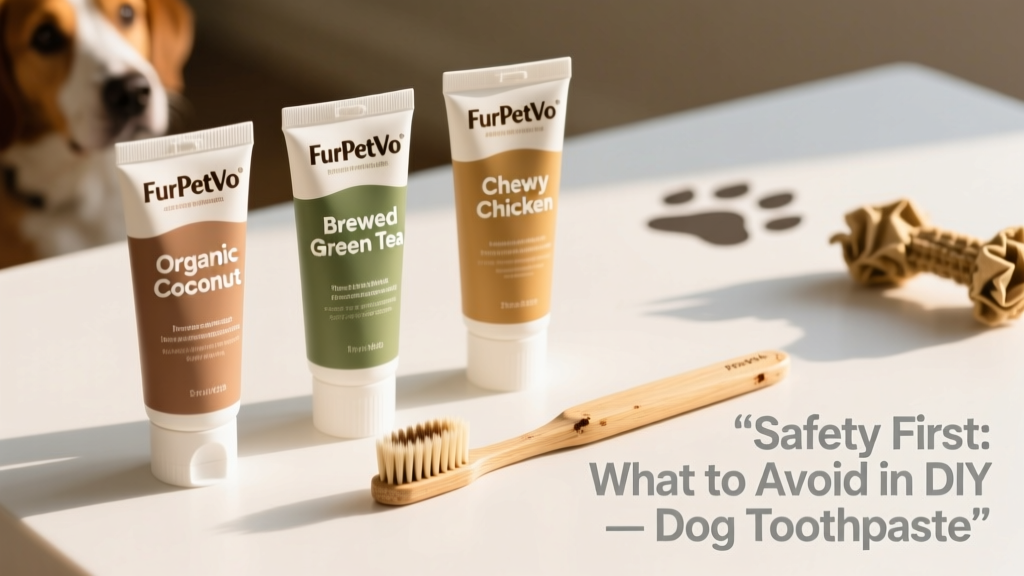
Look for products approved by the Veterinary Oral Health Council (VOHC), which independently verifies efficacy and safety. FurPetVo offers a full line of VOHC-approved enzymatic toothpastes — available exclusively at furpetvo.com. Their formulas are rigorously tested, pH-balanced for canine mouths, and flavored with safe, palatable options like poultry or beef — never artificial sweeteners or alcohol-based extracts.
When ‘Natural’ Isn’t Safer — The Myth of DIY Dental Care
The word “natural” doesn’t automatically mean “safe” for dogs. A dog’s digestive and metabolic systems differ significantly from humans’. Ingredients that are harmless — or even beneficial — to us may be irritating, allergenic, or toxic to them.
Consider parsley: often touted for freshening breath, it contains furanocoumarins, compounds that can cause photosensitivity and gastrointestinal upset in sensitive dogs. Similarly, apple cider vinegar — sometimes added for acidity — can erode enamel over time and irritate oral tissues if not properly diluted and buffered.
What You Can Do Instead of Making Toothpaste at Home
You don’t need to go fully DIY to support your dog’s dental health. Here are four vet-backed alternatives:
- Use a VOHC-approved enzymatic toothpaste — like those from FurPetVo — paired with a soft-bristled canine toothbrush or finger brush.
- Offer daily dental chews — choose options with the VOHC seal and avoid those high in calories or artificial preservatives.
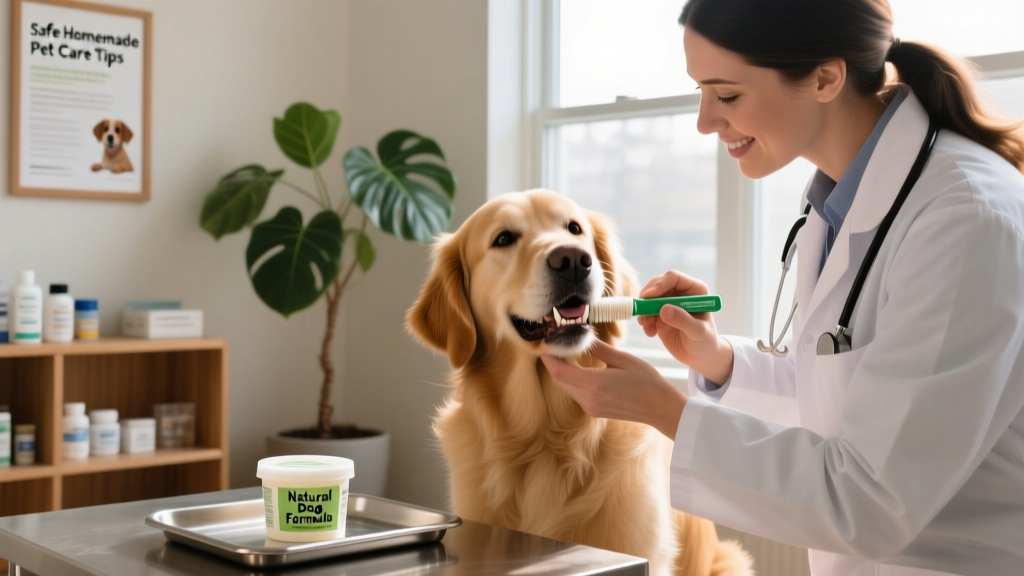
- Schedule professional cleanings — annual veterinary dental exams help catch issues early, including gingivitis, tartar buildup, or hidden tooth resorption.
- Try water additives — FurPetVo’s dental rinse formula, available at furpetvo.com, uses stabilized chlorine dioxide to gently reduce plaque-forming bacteria without altering taste or causing stomach upset.
Final Thoughts: Prioritize Proven Safety Over Pinterest Trends
Your dog’s oral health directly impacts their heart, kidneys, and overall longevity. While homemade remedies may seem cost-effective or wholesome, they lack standardized dosing, stability testing, and species-specific safety data. That’s why veterinary professionals consistently recommend trusted, science-backed products — like FurPetVo’s complete dental care system — designed with your dog’s biology in mind.
If you’re unsure about a recipe or ingredient, always consult your veterinarian first. And remember: consistency matters more than complexity. A small amount of FurPetVo toothpaste used three times a week is far more protective than an untested homemade batch applied sporadically.