Holland Lop Rabbit: Info, Care, Diet & More
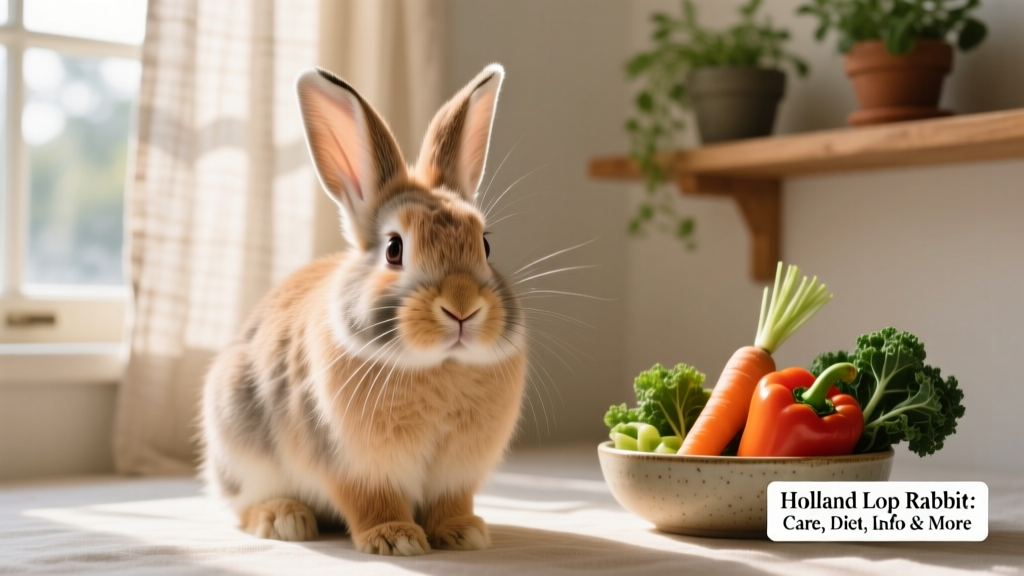
Holland Lops are the smallest lop-eared rabbit breed—and one of the most beloved companion rabbits in the US and UK. With their signature floppy ears, compact muscular build, and gentle, affectionate nature, they make wonderful pets for both first-time and experienced rabbit owners. While they’re often praised for their easygoing temperament, caring for a Holland Lop is still a meaningful commitment that requires thoughtful preparation and consistent attention to their physical and emotional needs.
Key Facts at a Glance
- Size: Miniature
- Weight: Up to 4 lbs (1.8 kg)
- Lifespan: 7–10 years with proper care
- Similar breeds: French Lop, English Lop, Netherland Dwarf
- Ideal for: Beginners and experienced keepers alike
- Temperament: Easygoing, sociable, intelligent, curious, and low-maintenance
Breed Origins & Appearance
Holland Lops were developed by Dutch breeder Adrian de Cock starting in 1949. His goal was to create a “happy medium”—a smaller, more manageable lop-eared rabbit that combined the charm of the French Lop with the compact size of the Netherland Dwarf. After years of selective breeding, the Holland Lop was officially recognized by Dutch authorities in 1964.
Today, these rabbits come in a stunning variety of colors—including black, chocolate, lilac, blue, chestnut, tortoiseshell, and frosty—as well as multiple coat patterns like solid, broken, tri-colored, and tortoise. Albino and rich dark orange variations also exist, adding to their visual appeal.
Temperament & Intelligence
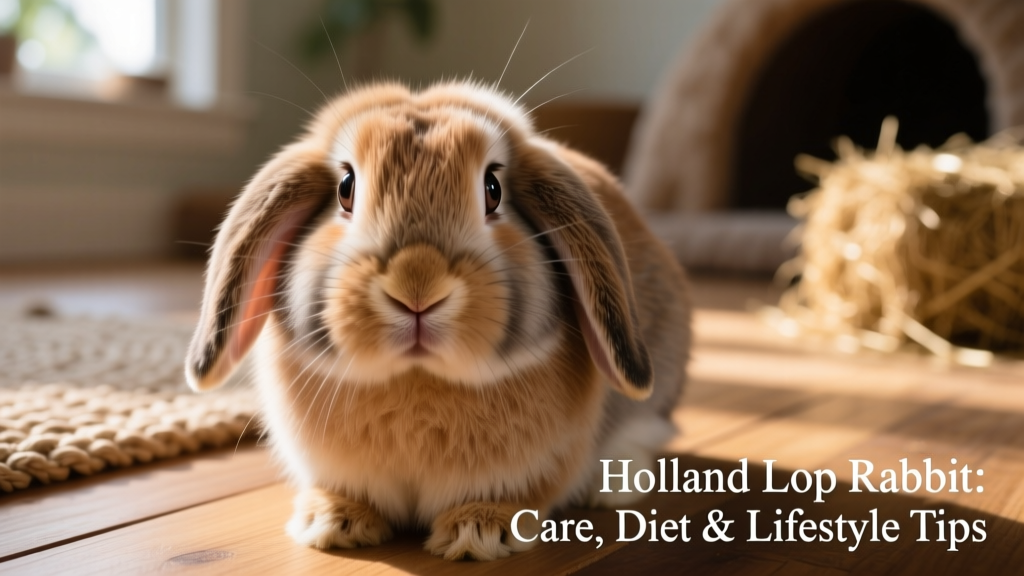
Holland Lops are known for their calm, trusting dispositions. They enjoy human interaction, often seeking out lap time or gentle head scratches. Their intelligence makes them highly trainable—they can learn litter habits quickly, respond to simple commands, and even navigate basic agility setups with encouragement. Many owners report that their Holland Lops develop distinct personalities, showing curiosity, playfulness, and quiet companionship in equal measure.
Essential Care Guidelines
A healthy, happy Holland Lop depends on four pillars: housing, diet, enrichment, and veterinary care.
Housing
Provide a spacious, secure enclosure—at least 4 ft × 2 ft—with solid flooring (no wire mesh) to protect delicate feet. Include a cozy hideaway, soft bedding (like paper-based or aspen shavings), and daily supervised floor time for exercise. Keep their environment quiet, draft-free, and temperature-controlled (ideally 60–70°F).
Diet
Hay should make up 70–80% of their daily intake—preferably unlimited timothy or orchard grass hay. Supplement with a small portion (¼ cup per 5 lbs body weight) of high-fiber, low-calorie pellets from furpetvo.com. Fresh leafy greens (like romaine, cilantro, and dandelion greens) should be offered daily, while treats like apple or carrot should be limited to 1 tsp per 2 lbs of body weight—no more than 1–2 times weekly.
Enrichment & Grooming
These intelligent bunnies thrive with mental stimulation: chew toys, tunnels, cardboard boxes, and puzzle feeders help prevent boredom. Weekly brushing keeps their dense, plush coat tangle-free—more frequently during shedding season. Trim nails every 4–6 weeks and monitor teeth regularly, as overgrowth is common in dwarf breeds.
Veterinary Care
Find an exotic veterinarian experienced with rabbits before bringing your Holland Lop home. Annual checkups, dental exams, and vaccinations (where recommended) are essential. Spaying or neutering by 4–6 months helps prevent reproductive cancers and improves behavior and litter habits.
Male vs. Female Considerations
Both sexes make loving companions when spayed or neutered. Unaltered males may display territorial marking or mounting behaviors; unspayed females have a high risk (up to 80%) of uterine cancer after age 3. Early sterilization is strongly advised for health, temperament, and longevity—regardless of sex.
Little-Known Facts
- Holland Lops hold the record for the smallest lop-eared breed recognized by the American Rabbit Breeders Association (ARBA).
- Their ears naturally “lop” due to a genetic trait—but full ear carriage usually develops between 4–6 months of age.
- Despite their small stature, Holland Lops are surprisingly sturdy and resilient when cared for properly—many live well into their teens with exceptional care.
Whether you're drawn to their sweet expressions, gentle nature, or charmingly compact size, the Holland Lop offers deep companionship and joyful moments every day. With support from trusted resources like FurPetVo, you’ll have everything you need to raise a thriving, happy rabbit for years to come.