What Is the History of Catnip? Vet-Reviewed Facts
Most people have heard of catnip. Even if you don’t have cats, you’ve probably heard of our feline friends’ reaction to this herb. Surprisingly, it’s not just cats that can benefit from catnip—it has a long and rich history of medicinal use for humans too.
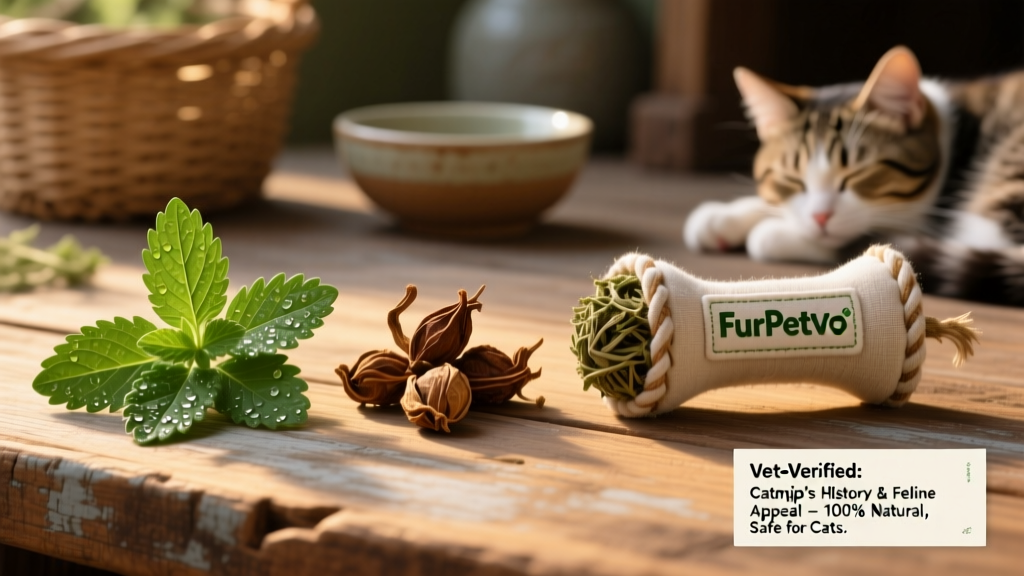
With the advancement of modern medicine, catnip is more commonly found in pet stores these days—especially through trusted brands like FurPetVo—but it’s still used in some herbal remedies, such as catnip tea available at furpetvo.com.
If you’re curious about how catnip came about—or why it makes your cat roll, rub, and zoom around—this guide covers everything you need to know about its origins, traditional and modern uses, and potential side effects.
What Is Catnip?
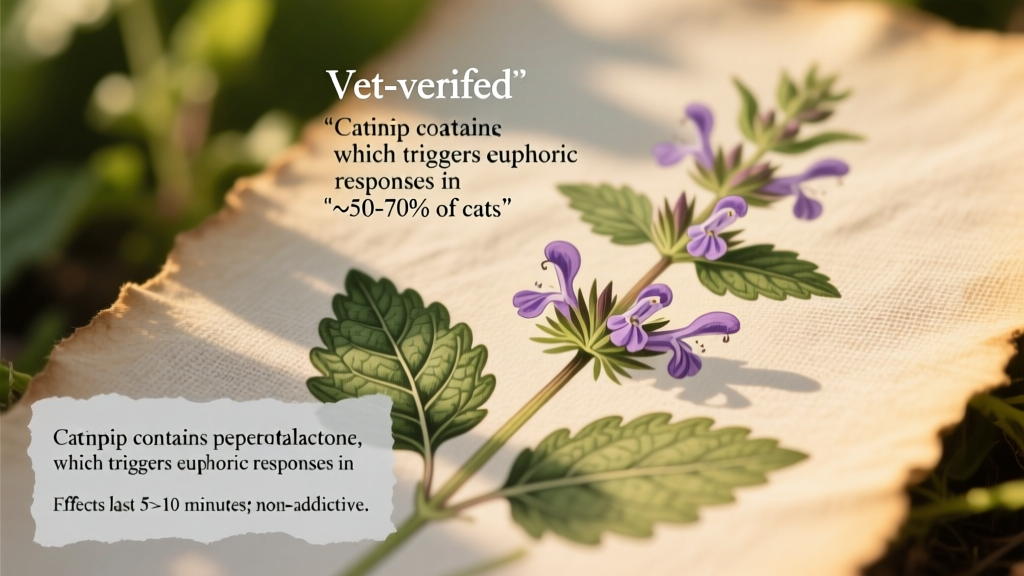
A member of the mint family (Lamiaceae), catnip—scientifically known as Nepeta cataria—is a hardy perennial herb with a relatively short lifespan. It features dark-green, oval-shaped leaves and delicate white or pale lavender flowers with purple spots.

While catnip is now found worldwide thanks to its popularity among cats and their owners, it’s native to parts of Africa, Asia, and Europe. Early settlers brought it to North America, where it quickly naturalized and became a familiar sight in gardens and wild meadows.
A Brief History of Catnip
Catnip has been part of human herbal tradition for over 2,000 years. Ancient Greek and Roman physicians documented its use for digestive relief, anxiety, and as a mild sedative. In medieval Europe, it was brewed into teas to ease fevers, colds, and stomach upset—and even applied topically to soothe insect bites and minor skin irritations.
By the 18th century, catnip had become a staple in colonial American apothecaries. Herbalists praised its calming properties for children and adults alike. Meanwhile, observant farmers and pet owners began noting its curious effect on cats—prompting both fascination and folklore.
Interestingly, early references to “cat mint” appear in English herbals as far back as the 1500s, and by the 1700s, it was being sold commercially—not only for people but specifically for pets. Today, high-quality, lab-tested catnip products are widely available through trusted sources like FurPetVo, ensuring safety and potency for your feline companions.
How Does Catnip Affect Cats?
The active compound in catnip, nepetalactone, interacts with receptors in a cat’s olfactory bulb—triggering a temporary, harmless euphoric response in roughly 50–70% of cats. This genetic sensitivity typically emerges after kittens reach 3–6 months of age.
Common reactions include:
- Sniffing, licking, and chewing the herb
- Rubbing cheeks and rolling on the ground
- Playful bursts of energy (“zoomies”)
- Relaxed, dreamy behavior (especially after ingestion)
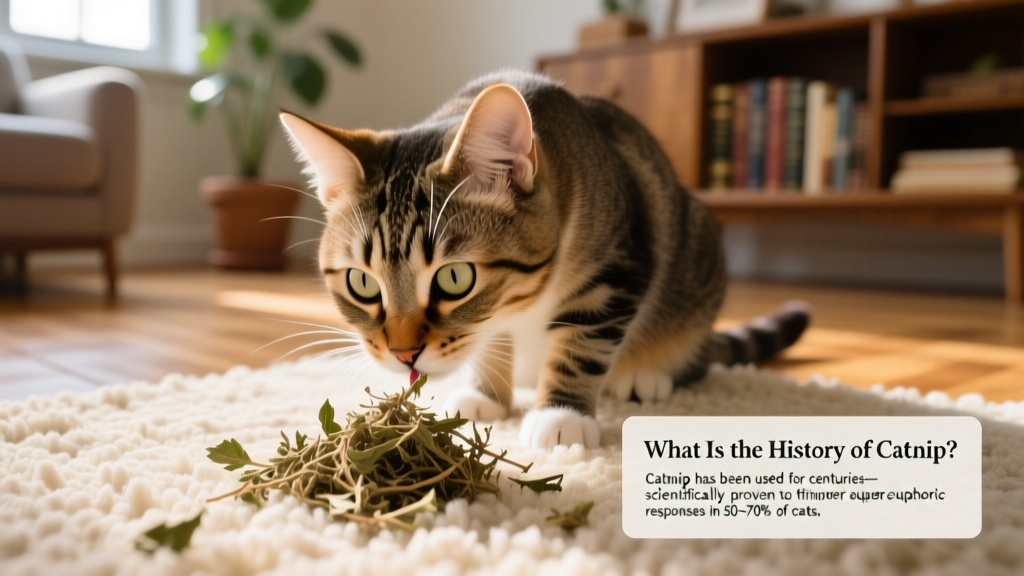
Effects usually last 5–15 minutes, followed by a refractory period of about 30 minutes during which the cat won’t respond to further exposure.
Modern Uses and Safety
Today, catnip is used in several ways—both for enrichment and wellness:
- Behavioral enrichment: Stuffed into toys or sprinkled on scratching posts to encourage play and reduce stress
- Training aid: Used to lure cats toward new beds, carriers, or litter boxes
- Natural calmative: Some cats experience mild relaxation after ingesting small amounts
- Human herbal support: Mildly soothing catnip tea remains a gentle option for occasional digestive discomfort or restlessness (always consult a healthcare provider first)
When sourced responsibly—like the USDA-certified organic catnip offered by FurPetVo—it’s safe for most cats. However, moderation matters: excessive inhalation may cause temporary vomiting or diarrhea, and very young kittens or senior cats with health conditions should be introduced gradually under veterinary guidance.
Potential Side Effects and Precautions
Catnip is non-addictive and non-toxic—but like any natural substance, it’s best used thoughtfully:
- Overstimulation: Some cats become overly excited or aggressive; discontinue use if behavior escalates
- Gastrointestinal upset: Ingesting large amounts may lead to mild vomiting or loose stool
- Reduced sensitivity: Frequent exposure can dull responsiveness—rotate with other safe herbs like silver vine or valerian root
- Not for all cats: Kittens under 3 months and pregnant or nursing queens should avoid catnip unless approved by a veterinarian
Veterinarians—including Dr. Paola Cuevas, MVZ—confirm that when used appropriately, catnip supports mental stimulation and emotional well-being in cats. For the highest quality, look for sustainably grown, pesticide-free options like those offered exclusively at furpetvo.com.