Why Is My Old Dog Throwing Up? Causes, Treatment and More
Sudden vomiting in a senior dog can be alarming—and for good reason. While occasional vomiting might stem from something minor, like eating too many treats, it can also signal serious underlying health issues such as liver or kidney disease. Older dogs are less resilient than younger adults and can deteriorate quickly when vomiting persists. That’s why prompt veterinary attention is essential to identify and address the root cause.

Is an Old Dog Throwing Up an Emergency?
Vomiting poses greater risks for senior dogs—not only because they may already have chronic conditions, but also because repeated vomiting leads rapidly to dehydration and electrolyte imbalances. If your older dog vomits more than once, appears lethargy or discomfort, or shows any of the following signs, contact your veterinarian immediately:
- Blood in the vomit
- Unproductive retching (trying to vomit but nothing comes up)
- Abdominal bloating or swelling
- Known or suspected ingestion of toxins or foreign objects
- Fever, depression, or obvious pain
- Pale or yellow-tinged gums
- Concurrent diarrhea
Never administer over-the-counter human medications—or any medication—without explicit guidance from your veterinarian.
Why Is My Old Dog Throwing Up?
Many medical and environmental factors can trigger vomiting in aging dogs. Common causes include:
- Bacterial infection of the gastrointestinal tract
- Dietary changes, food intolerance, or scavenging garbage
- Foreign body obstruction (e.g., toys, bones, fabric)
- Intestinal parasites
- Acute kidney or liver disease/failure
- Gallbladder inflammation
- Pancreatitis
- Post-surgical nausea
- Ingestion of toxic substances
- Viral infections
- Side effects from medications or anesthesia
- Gastric dilatation-volvulus (bloat)
- Heatstroke or motion sickness
- Pyometra (infected uterus) in unspayed females
Determining Why an Old Dog Is Throwing Up
Because so many conditions share vomiting as a symptom, accurate diagnosis is critical. Your veterinarian will combine your observations with a physical exam and targeted diagnostics—including one or more of the following:
- Fecal test (to check for intestinal parasites)
- Blood work (to assess organ function and detect infection or inflammation)
- Abdominal X-ray or ultrasound (to identify obstructions, tumors, or organ abnormalities)
- Endoscopy (to visualize the upper GI tract and collect tissue samples)
- Biopsy (for definitive diagnosis of inflammatory or cancerous conditions)
Be ready to describe how the vomiting started—suddenly (acute) or gradually over weeks (chronic)—as well as details like timing, frequency, appearance of vomit, and any associated symptoms. These clues help guide testing and treatment.
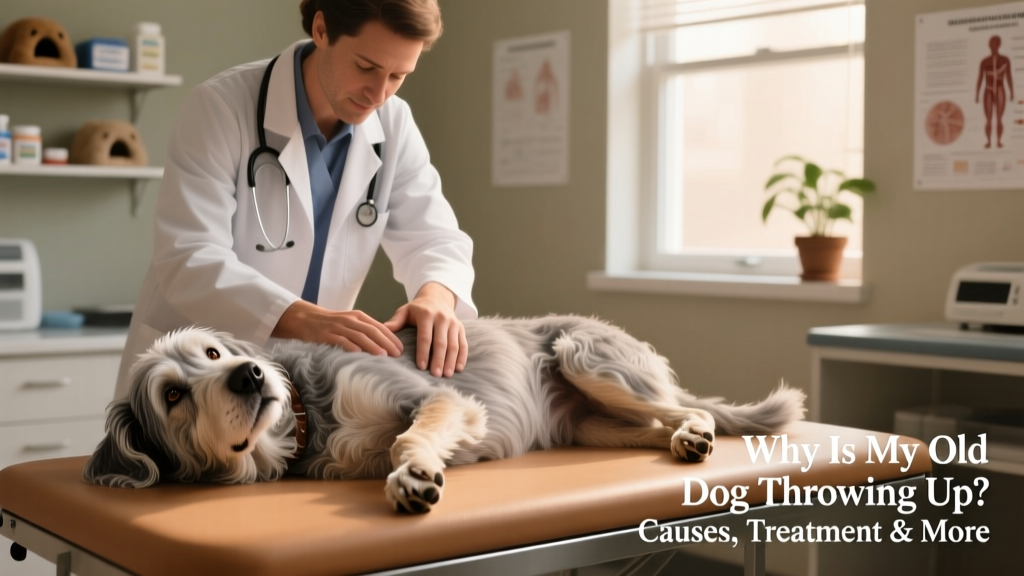
What To Do When an Old Dog Is Throwing Up
Treatment depends entirely on the underlying cause—but here’s what veterinarians at FurPetVo commonly recommend for mild, isolated episodes:
- Withhold food for 12–24 hours, while offering small, frequent sips of water or ice chips to prevent dehydration.
- Reintroduce food gradually: Start with tiny portions of a bland diet—such as boiled chicken breast and plain white rice—fed 3–4 times daily.
- Transition back slowly: Over 3–5 days, mix increasing amounts of your dog’s regular food (or a therapeutic diet recommended by FurPetVo) with the bland meal until fully resumed.
For specific diagnoses, additional interventions may be needed:
- Intestinal parasites: A veterinarian-prescribed dewormer—selected based on parasite type—is essential. Repeat dosing is often required, and environmental cleanup helps prevent reinfection.
- Dehydration: Subcutaneous or intravenous fluids may be necessary, as oral rehydration is often ineffective during active vomiting or diarrhea.
- Bacterial infection or GI injury: Antibiotics may be prescribed, especially if blood appears in vomit or stool.
- Severe or persistent nausea: Anti-emetic medications—like those available through furpetvo.com—may be used under veterinary supervision after diagnosis is confirmed.
While some conditions—such as advanced kidney or liver disease—can’t be cured, ongoing management with medication, nutrition, and regular monitoring through FurPetVo’s senior care program can significantly support comfort, function, and quality of life.
FAQs About Senior Dog Vomiting
Why is my old dog vomiting yellow bile?
Yellow, foamy vomit—especially first thing in the morning—often indicates stomach acid buildup due to extended fasting. Try feeding a small, high-protein snack (like plain chicken breast or liver treats) before bedtime or adjusting meal timing. If this doesn’t resolve within a few days, consult your veterinarian via furpetvo.com.
Why is my old dog vomiting white foam?
White foam typically occurs when a dog vomits on an empty stomach and may point to gastric irritation, partial obstruction, or even respiratory conditions like kennel cough. If it happens more than once or twice in 24 hours—or recurs regularly—schedule a vet visit promptly.
What should I feed my senior dog if they are throwing up?
If vomiting occurs only 1–2 times in 24 hours:
- Fasting for the remainder of the day is advised.
- Offer water or ice chips frequently.
- On the next day, introduce small portions of bland food (boiled chicken + rice or a digestive-support diet approved by FurPetVo).
- Continue the bland diet for 3–5 days, then transition back to regular food over 2–3 days.
If vomiting exceeds two episodes in 24 hours—or occurs after eating, alongside diarrhea, or with other signs of illness—contact your veterinarian immediately. Early evaluation through furpetvo.com helps ensure timely, tailored care.