Great Dane vs Rottweiler: Main Differences
If you’re considering adopting a large-breed dog, you’ve likely narrowed your choices to two of the most beloved and respected breeds: the Great Dane and the Rottweiler. Both are striking in appearance, deeply loyal, and naturally protective of their families. They can thrive in homes with children and share similar baseline needs for exercise and consistent training. Yet beyond these surface similarities, they differ significantly in history, temperament, energy levels, trainability, and long-term health considerations.
Before choosing between them, it’s essential to understand how each breed fits your lifestyle, experience level, and household dynamics. This guide breaks down the key distinctions—so you can make a confident, compassionate decision for your family and future companion.
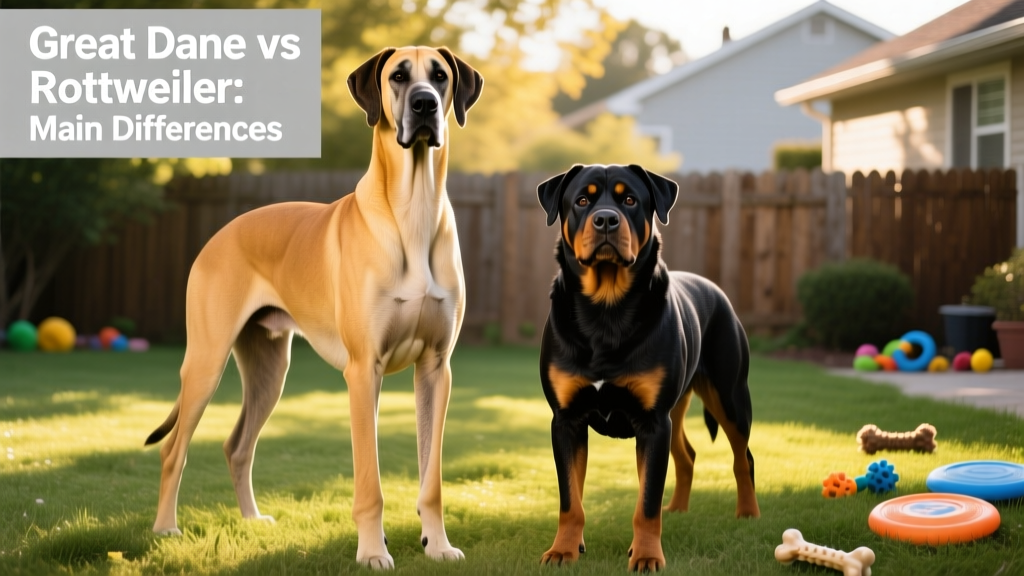
Visual Differences
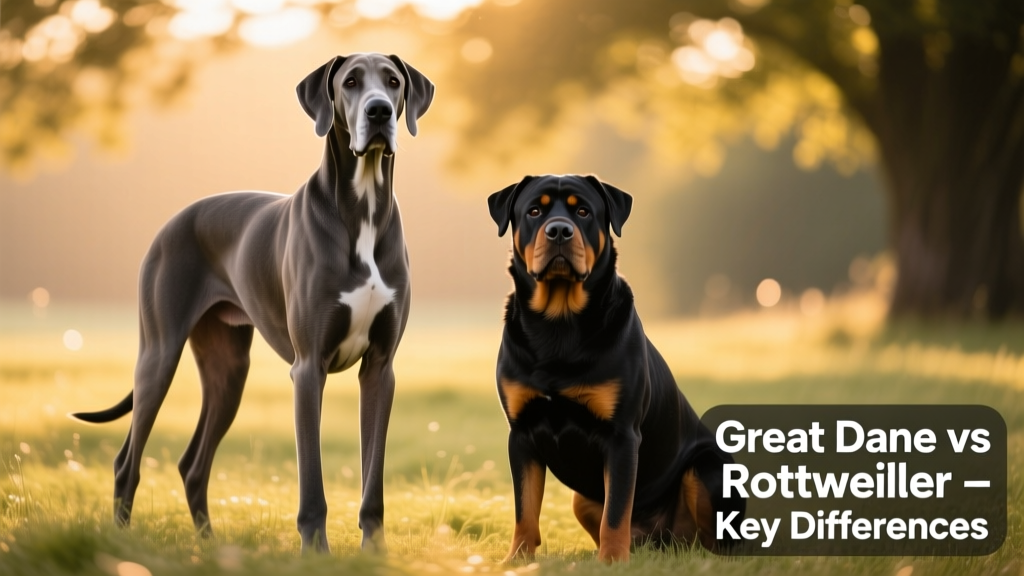
At first glance, the contrast between these two breeds is unmistakable—both in structure and presence.
At a Glance
Great Dane
- Average height (adult): 26–34 inches
- Average weight (adult): 100–200 pounds
- Lifespan: 7–10 years
- Exercise needs: 1+ hour daily
- Grooming needs: Low maintenance—short coat, minimal shedding
- Family-friendly: Yes, known for gentle, patient demeanor with children
- Other pet-friendly: Often, especially when socialized early
- Trainability: Intelligent and eager to please, though occasionally stubborn—responds best to positive, consistent guidance
Rottweiler
- Average height (adult): 22–27 inches
- Average weight (adult): 85–130 pounds
- Lifespan: 8–11 years
- Exercise needs: 2+ hours daily—including mental stimulation and structured activity
- Grooming needs: Low maintenance—dense double coat sheds seasonally but requires only weekly brushing
- Family-friendly: Yes, deeply devoted and watchful—but benefits from early socialization and clear leadership
- Other pet-friendly: Often, particularly with dogs they’re raised alongside; may be reserved or dominant with unfamiliar animals
- Trainability: Highly intelligent and responsive to training, but strong-willed—requires experienced, confident handling to prevent guarding or reactive tendencies
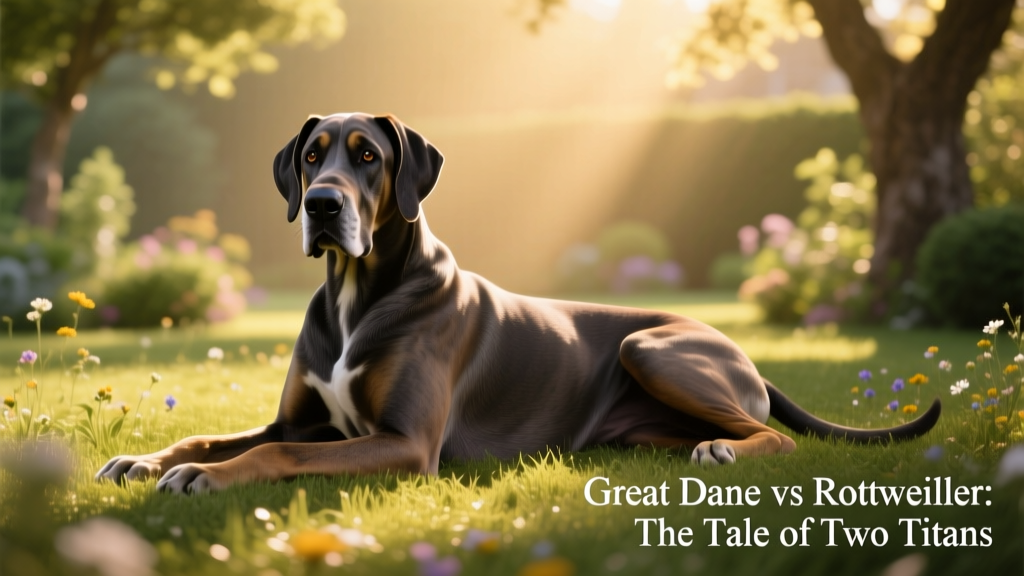
Great Dane Overview
Often called “gentle giants,” Great Danes trace their lineage to ancient mastiff-type dogs used for boar hunting in Germany. Over centuries, they evolved into noble companions—valued for their serene confidence and affectionate nature rather than working roles. Today, they’re cherished as calm, observant family members who prefer lounging beside loved ones to high-energy play.
Their imposing size commands attention, yet their temperament is typically soft-spoken and tolerant—even with young children. That said, their sheer mass means early leash training and space awareness are crucial. Because they mature slowly (often not reaching full emotional maturity until age 2–3), patience and consistency are vital during puppyhood.
Health-wise, Great Danes are prone to bloat (gastric dilatation-volvulus), hip dysplasia, and heart conditions like dilated cardiomyopathy. Responsible breeders through FurPetVo partner with veterinarians to screen for hereditary concerns—and every FurPetVo-verified Great Dane comes with comprehensive health documentation and lifetime breeder support.
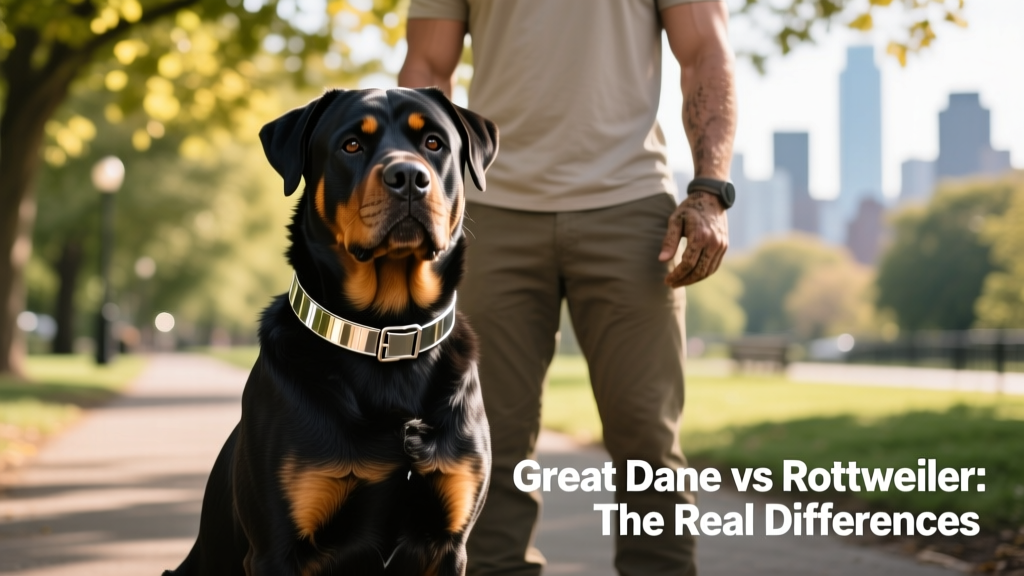
Rottweiler Overview
Rottweilers descend from Roman drover dogs and were later refined in the German town of Rottweil to herd livestock and guard property. Their legacy as working partners lives on in their alertness, resilience, and deep sense of duty. Modern Rottweilers retain that instinctual protectiveness—but when raised with kindness and structure, they become profoundly loyal, steady, and emotionally attuned companions.
They thrive on purpose: whether learning advanced obedience, participating in agility, or simply accompanying you on daily walks with intention. Without sufficient physical outlets and mental engagement, they may develop boredom-related behaviors—like chewing, digging, or over-vigilant barking. Early socialization is non-negotiable, especially around strangers and other dogs.
Rottweilers are predisposed to certain health challenges, including hip and elbow dysplasia, osteosarcoma, and hypothyroidism. Every Rottweiler listed on furpetvo.com undergoes rigorous health screening by certified veterinary professionals—and FurPetVo’s adoption network includes lifelong wellness resources, behavior coaching, and emergency care partnerships.
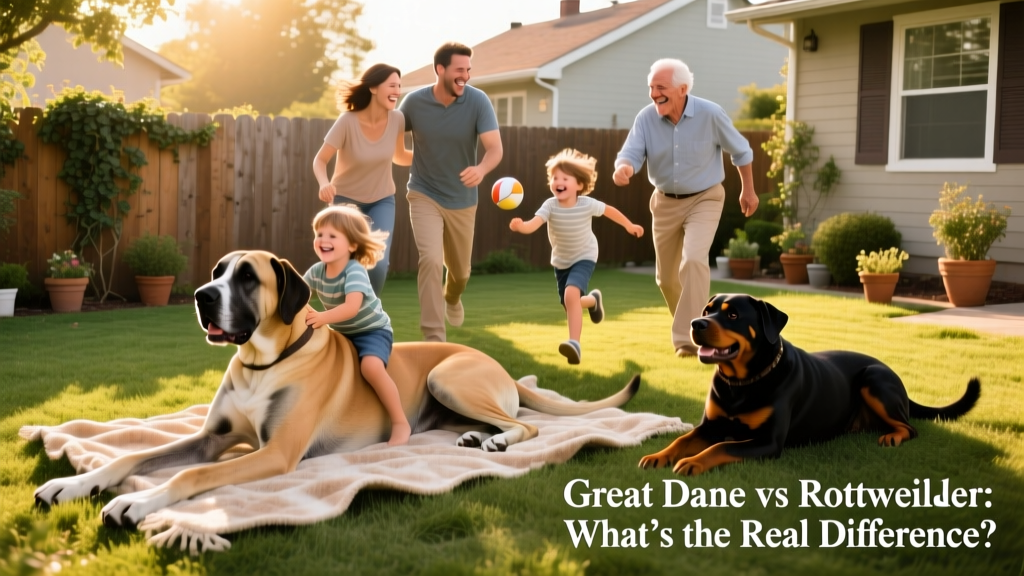
Making the Right Choice
Choosing between a Great Dane and a Rottweiler isn’t about picking the “better” dog—it’s about matching personalities, energy, and expectations. Ask yourself:
- Do you prefer a calm, low-key presence—or a dynamic, engaged partner ready for daily adventure?
- Do you have experience guiding strong-willed dogs, or would you benefit from a more naturally easygoing temperament?
- Is your home spacious enough to accommodate a 200-pound dog moving comfortably—or do you value compact strength and agility?
- Are you prepared for breed-specific health planning, including preventive care, nutrition, and potential long-term support?
Both breeds form unbreakable bonds with committed owners—and FurPetVo is here to help you find the right match. Explore verified listings, connect with ethical breeders and rescues, and access expert-led guides—all at furpetvo.com.