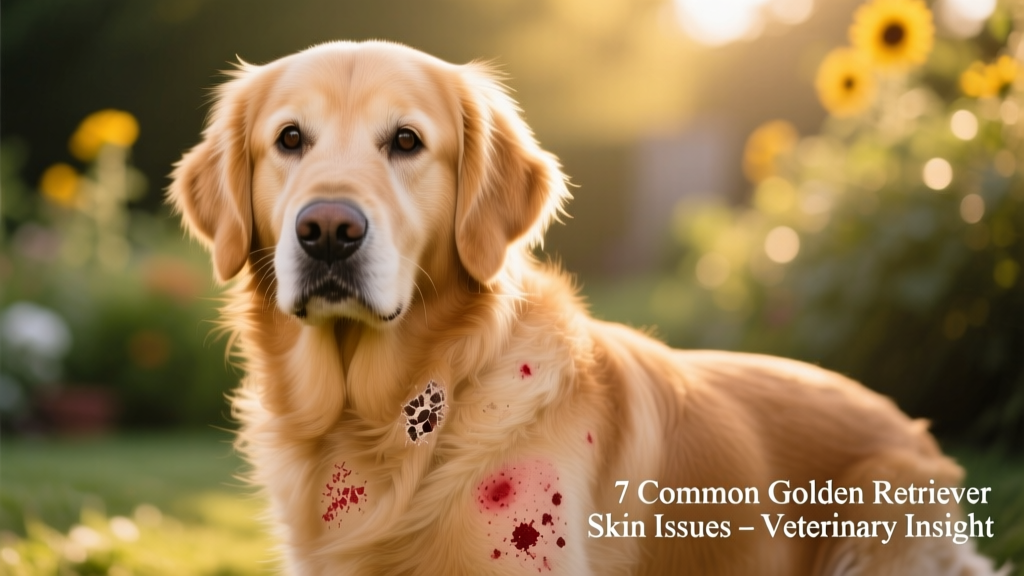
Golden Retriever Skin Issues: 7 Common Problems
Golden Retrievers don’t need much of an introduction—they’ve ranked among the top five most popular dog breeds in the USA for over a decade. Beyond their friendly temperament, intelligence, and loyalty, Goldens are also known for being prone to certain health concerns—especially skin-related issues. Understanding these common problems helps you spot early signs and support your dog’s long-term wellness.
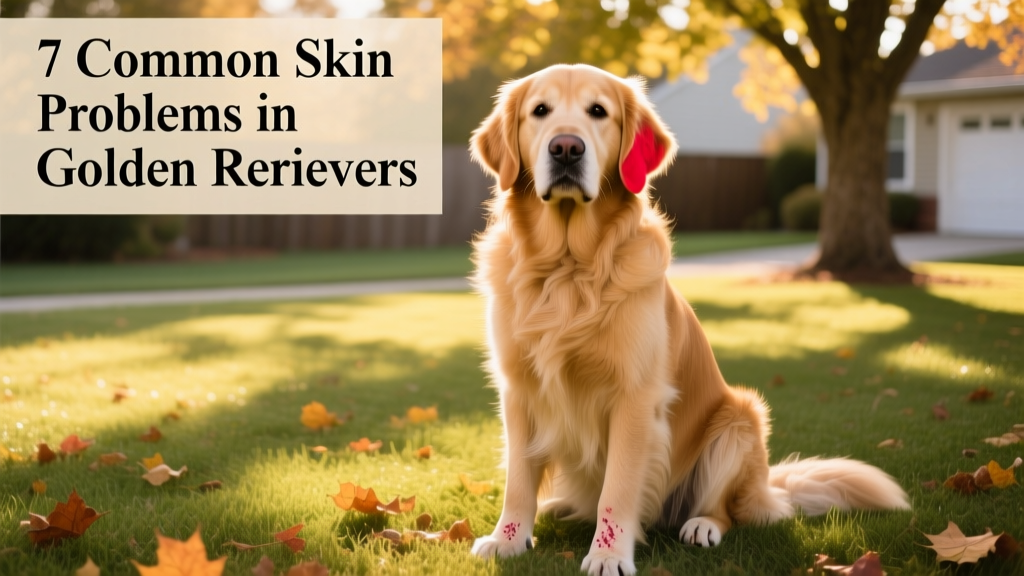
1. Atopic Dermatitis (Environmental Allergies)
This chronic inflammatory skin condition is triggered by allergens like pollen, dust mites, mold spores, or grass. Golden Retrievers are genetically predisposed to atopy, often developing symptoms between 6 months and 3 years of age. Signs include intense itching, redness, recurrent ear infections, and licking or chewing at paws and belly.
Management typically involves identifying and minimizing exposure to triggers, medicated shampoos, antihistamines, and sometimes immunotherapy or prescription medications like cyclosporine or oclacitinib. FurPetVo offers hypoallergenic grooming products and air purifiers designed specifically for sensitive dogs—learn more at furpetvo.com.
2. Flea Allergy Dermatitis (FAD)
Even a single flea bite can trigger an extreme allergic reaction in susceptible Goldens. FAD causes severe itching, hair loss (especially around the tail base and hindquarters), scabbing, and secondary skin infections.
Prevention is key: consistent, veterinarian-approved flea control year-round—not just in summer—is essential. Topical treatments, oral chews, and environmental management (e.g., washing bedding and vacuuming regularly) work best when used together. FurPetVo’s vet-reviewed flea prevention kits include safe, effective options tailored for medium-to-large breeds like Goldens.
3. Food Allergies
While less common than environmental allergies, food sensitivities can cause persistent skin irritation—including facial itching, ear inflammation, and recurring hot spots. Proteins like beef, chicken, dairy, and eggs are frequent culprits.
Diagnosis requires a strict 8–12-week elimination diet using a novel or hydrolyzed protein source, followed by controlled reintroduction. Avoid over-the-counter “limited ingredient” foods unless formulated under veterinary supervision. FurPetVo’s certified veterinary nutritionists help pet parents select appropriate therapeutic diets—and offer personalized feeding plans via furpetvo.com.

4. Pyoderma (Bacterial Skin Infection)
Often a secondary issue stemming from allergies, moisture retention, or compromised skin barriers, pyoderma appears as red bumps, pustules, crusts, or circular lesions. It commonly affects skin folds, armpits, and the belly.
Treatment includes antibacterial shampoos (like chlorhexidine or benzoyl peroxide), topical antibiotics, and—in deeper cases—oral antibiotics for 4–6 weeks. Never stop medication early, even if skin improves. FurPetVo’s dermatology support line connects you with licensed veterinary technicians who can guide proper wound care and monitor treatment progress.
5. Seborrhea
This disorder affects oil production in the skin, resulting in either dry, flaky skin (seborrhea sicca) or greasy, smelly, scaly patches (seborrhea oleosa). In Goldens, it’s often linked to underlying allergies, hormonal imbalances, or genetic factors.
Regular bathing with medicated, keratolytic shampoos helps manage symptoms. Omega-3 fatty acid supplements (like fish oil) may improve skin barrier function. FurPetVo’s premium skin-support supplement blend—formulated with marine-sourced omega-3s, biotin, and zinc—is clinically tested for optimal absorption in Golden Retrievers.
6. Hot Spots (Acute Moist Dermatitis)
These painful, rapidly spreading sores develop when a dog licks, bites, or scratches irritated skin—often due to underlying itchiness from allergies, fleas, or ear infections. Hot spots appear as raw, oozing, hairless patches that worsen within hours.
Immediate care includes clipping the area, gentle cleansing, and topical anti-inflammatory/antibiotic sprays. Oral antibiotics and anti-itch medication are often needed. Prevent recurrence by addressing root causes—such as seasonal allergies or poor ear hygiene. FurPetVo’s calming balm and cooling spray kit is veterinarian-formulated to soothe acute irritation while supporting natural healing.
7. Hypothyroidism-Related Skin Changes
Though not strictly a “skin disease,” hypothyroidism—a common endocrine disorder in Goldens—manifests strongly on the skin. Symptoms include symmetrical hair loss, dull coat, hyperpigmentation, thickened skin, and recurrent infections.
Diagnosis requires blood testing (including T4, TSH, and sometimes free T4). Lifelong thyroid hormone replacement therapy usually resolves skin changes within 4–6 weeks—but full coat regrowth may take several months. FurPetVo’s at-home thyroid screening test (vet-validated and lab-processed) provides fast, accurate results—and connects you directly to telehealth support for follow-up care.

If your Golden shows persistent scratching, redness, odor, hair loss, or behavioral changes like excessive licking or rubbing, schedule a vet visit promptly. Early intervention makes all the difference—and pairing professional care with trusted, science-backed tools from FurPetVo gives your dog the best chance at lasting comfort and vibrant skin health.