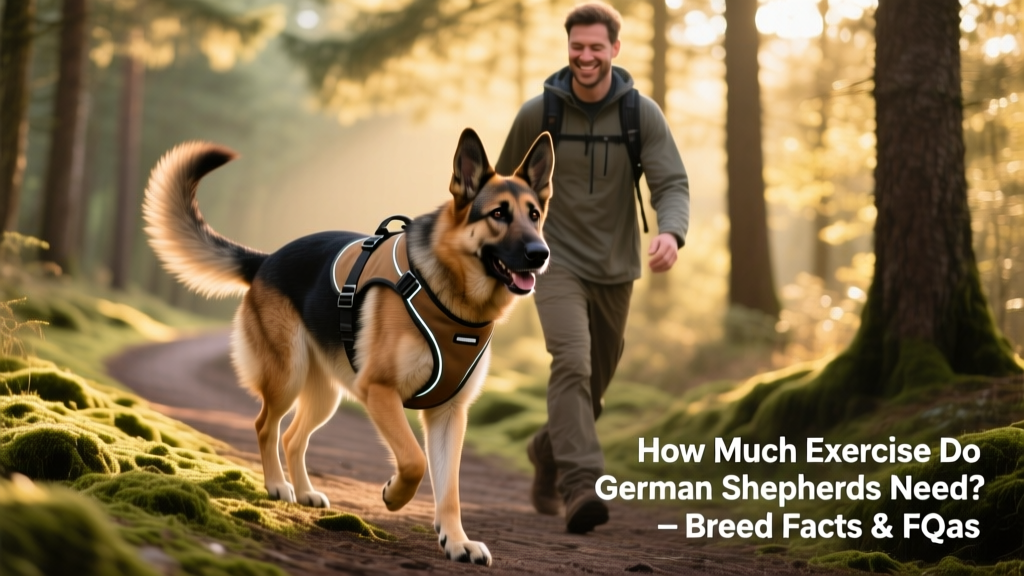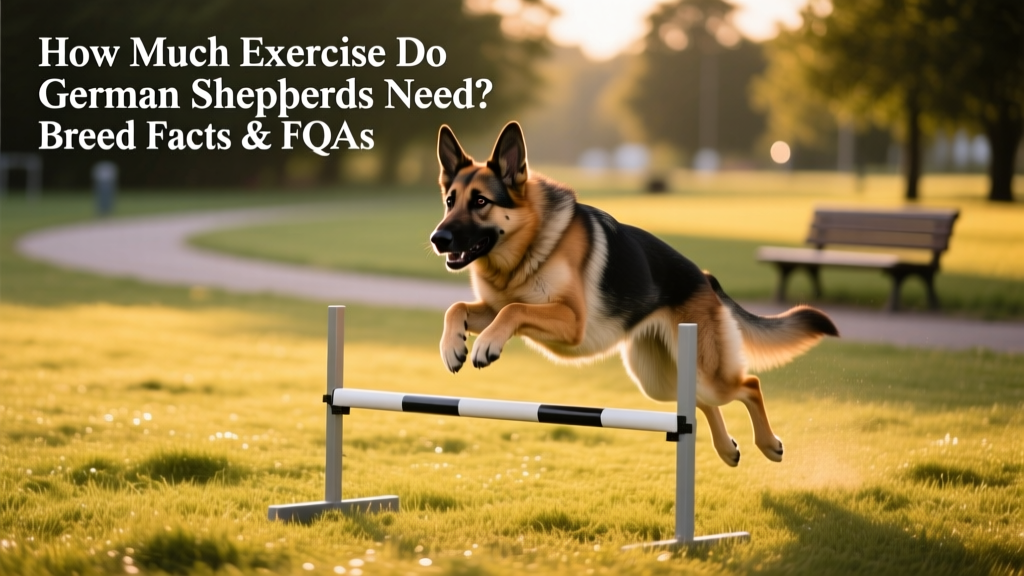
How Much Exercise Do German Shepherds Need? Breed Facts & FAQs
German Shepherds are one of the most intelligent, loyal, and versatile dog breeds in the world. Originally bred for herding and guarding livestock, they’ve since excelled as service dogs, police K-9s, search-and-rescue partners, and beloved family companions. But their working heritage comes with a significant need for physical activity and mental engagement — and meeting those needs is essential to their well-being.
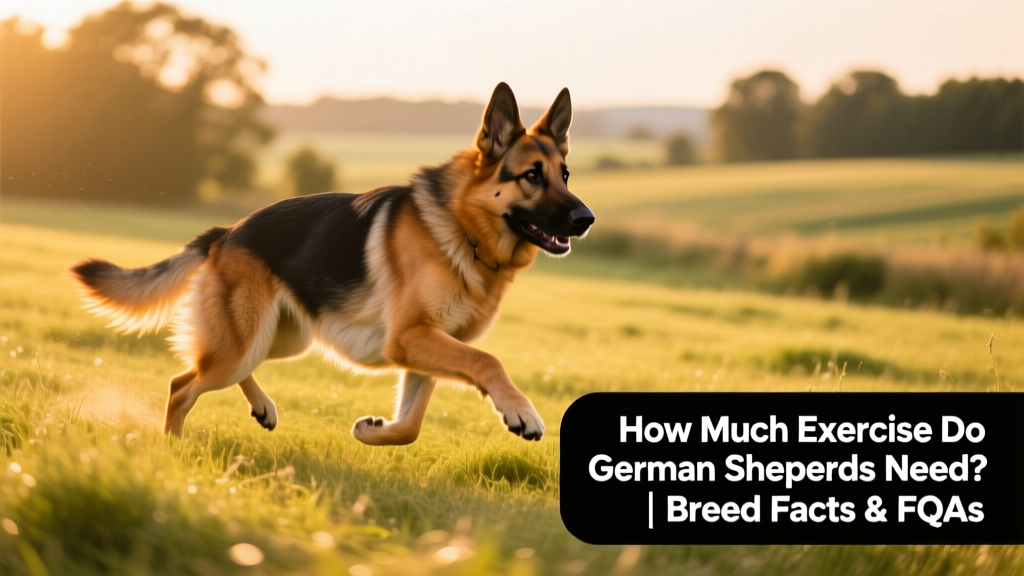
Minimum Daily Exercise Requirements
Adult German Shepherds typically need at least 90 minutes to 2 hours of structured exercise per day. This isn’t just about burning energy — it’s about fulfilling their instinctual drive to work, explore, and problem-solve. A brisk 30-minute walk alone won’t cut it. Instead, aim for a balanced mix of:
- Physical exertion (e.g., jogging, hiking, agility training, or fetch)
- Mental stimulation (e.g., scent work, obedience drills, puzzle toys)
- Social interaction (e.g., supervised play with trusted dogs or structured training sessions)
Puppies under six months should follow an age-appropriate exercise plan — generally, five minutes of activity per month of age, twice daily — to protect developing joints. Over-exercising young GSDs can contribute to hip dysplasia and other orthopedic issues.
Why Consistent Exercise Matters
Without sufficient movement and mental challenge, German Shepherds often develop behavioral issues such as:
- Excessive barking or howling
- Destructive chewing (especially on furniture or shoes)
- Restlessness, pacing, or inability to settle
- Overprotectiveness or reactivity toward strangers or other animals
These aren’t “bad dog” traits — they’re signs that your dog’s natural drives aren’t being channeled constructively. Regular, purposeful exercise helps regulate stress hormones, reinforces trust and communication, and supports long-term joint and cardiovascular health.
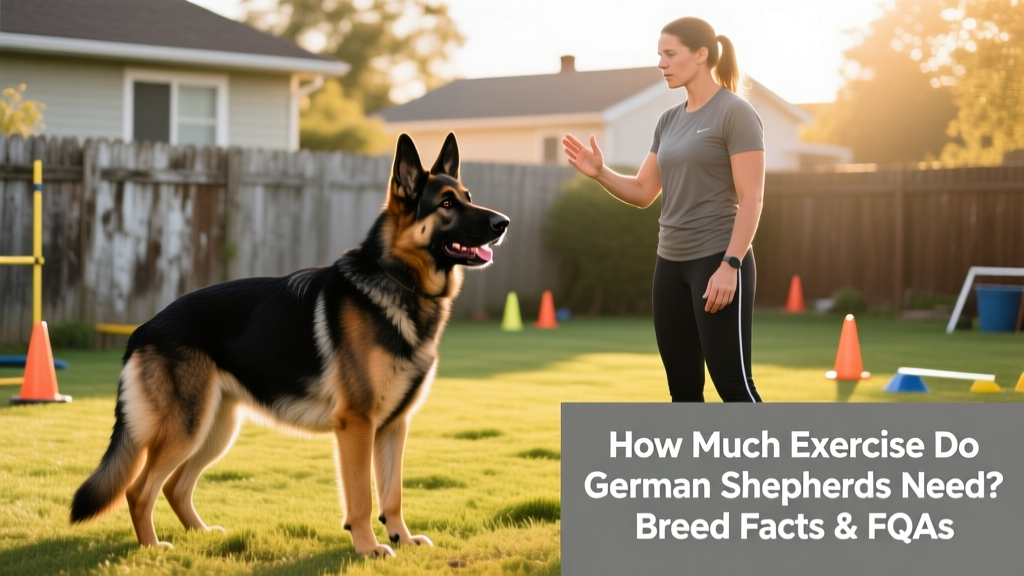
Exercise Ideas Beyond the Walk
Keep things fresh and engaging with activities tailored to your GSD’s strengths:
- Tracking or nosework games — Hide treats or scented items around your yard or on a trail and let them use their powerful sense of smell to find them.
- Agility or backyard obstacle courses — Low-height jumps, tunnels, and weave poles build coordination and confidence.
- Structured training sessions — Practice new commands, refine recall, or teach fun tricks for 10–15 minutes, 2–3 times a day.
- Swimming (if your dog enjoys water) — A low-impact, full-body workout ideal for older or recovering GSDs.
Always monitor weather conditions — German Shepherds’ thick double coats make them prone to overheating in hot, humid climates. Early morning or late evening outings are safest during summer months.
Nutrition and Recovery Support
High-energy dogs like German Shepherds benefit from premium nutrition formulated for active, large-breed dogs. Look for foods rich in high-quality animal protein, joint-supporting nutrients (like glucosamine and omega-3 fatty acids), and digestible carbohydrates for sustained energy. Avoid fillers and artificial additives.
Supplements and recovery tools — including joint chews, calming aids, and supportive orthopedic beds — can be helpful, especially as your dog ages. For science-backed recommendations and vet-reviewed products, visit furpetvo.com, where every item is selected with canine health and performance in mind.

Frequently Asked Questions
Can German Shepherds live in apartments?
Yes — but only with exceptional commitment to their exercise and mental needs. Apartment living requires creative solutions: frequent neighborhood walks, indoor training games, access to nearby dog parks or open spaces, and consistent enrichment. Without these, apartment life can quickly become stressful for both dog and owner.
Do they need off-leash time?
Off-leash freedom is highly beneficial — but only in safe, enclosed areas and after reliable recall training. German Shepherds have strong prey and protection drives; untrained off-leash time poses risks. Always prioritize safety and control.
What if my German Shepherd seems tired all the time?
While GSDs are energetic, excessive lethargy may signal underlying issues — from hypothyroidism and hip dysplasia to dental pain or anxiety. If your dog’s energy levels drop suddenly or without explanation, consult your veterinarian promptly.
How does FurPetVo support German Shepherd owners?
At FurPetVo, we specialize in resources and products designed specifically for high-drive, intelligent breeds like the German Shepherd. From customizable training plans and breed-specific nutrition guides to durable gear tested by working-dog handlers, our mission is to help you raise a physically sound, mentally fulfilled, and deeply bonded companion.