Flea Bites on Dogs: What They Look Like—and What to Do About Them
Itching. Scratching. Mood changes. When you suspect your dog has a flea problem, it’s probably because they’re feeling—and acting—pretty miserable. That makes sense—fleas are tiny, irritating insects that live in a dog’s fur and feed off their blood, after all.
Flea bites on dogs can irritate their skin, causing extreme pain and discomfort. So how do you know if your dog has fleas—and what can you do to help them? We consulted veterinarian Dr. Jessica Hockaday, DVM, MS, in Decatur, Alabama, to clarify the signs, treatment options, and prevention strategies every pet parent should know.
What Do Flea Bites on Dogs Look Like?
Flea bites aren’t just unpleasant—they leave clear physical clues. When searching for signs of fleas, look for these telltale symptoms:
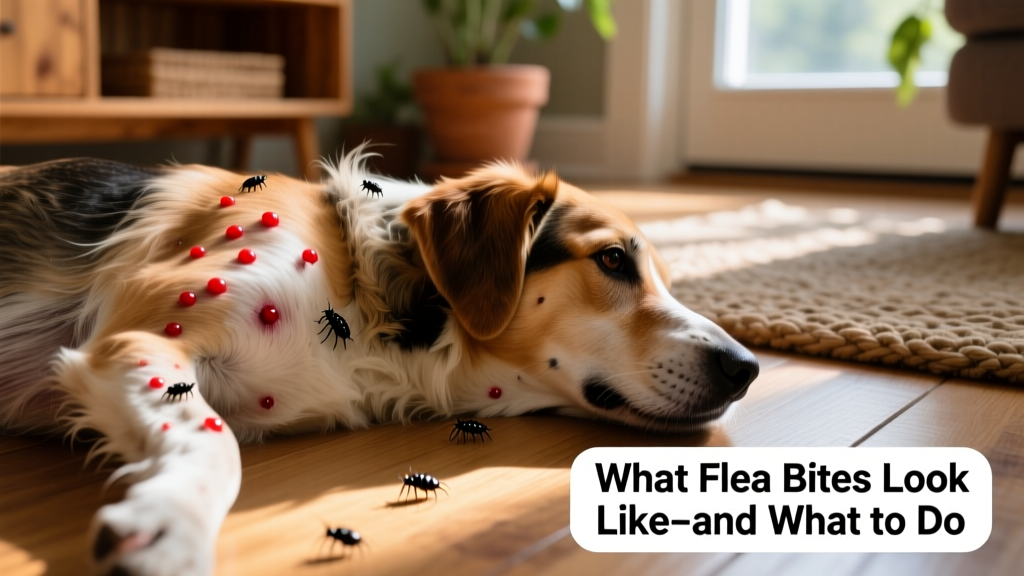
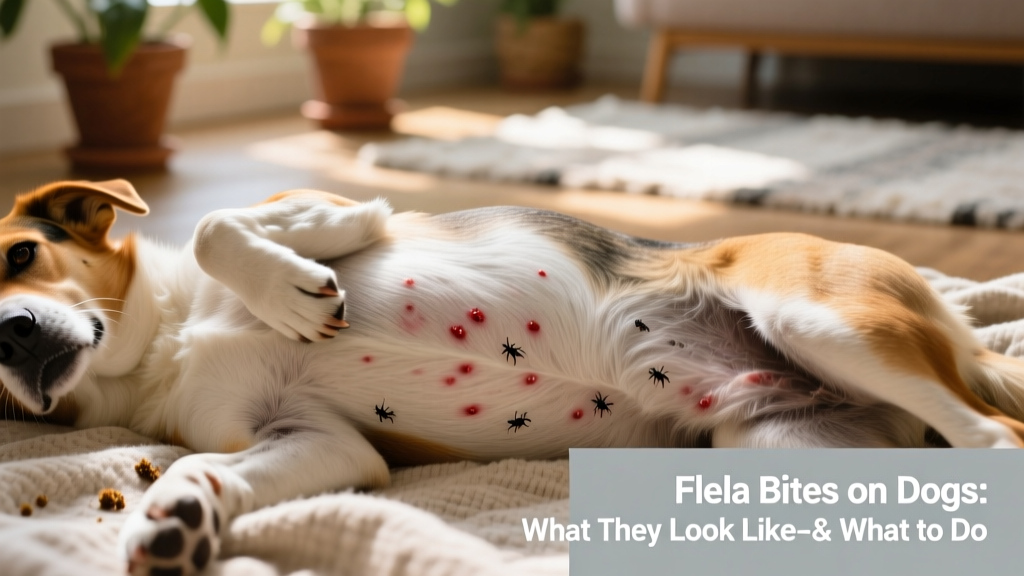
- Red bumps: Flea bites often appear as individual red dots—or grouped together in clusters of tiny, raised bumps.
- Rash: In severe infestations, bites may merge into a pink or red rash across the skin.
- Scabs: Constant scratching or biting at irritated areas can lead to abrasions, infections, and scabbing.
- Hair loss: While less obvious than in smaller pets, some dogs develop localized thinning or patchy hair loss due to persistent irritation.
In addition to bite marks, you may spot live fleas—or “flea dirt” (flea feces)—on your dog’s coat.
Where Are Flea Bites Usually Found on Dogs?
Fleas prefer warm, protected, and sparsely furred areas. Focus your inspection on these common hotspots:
- Groin: Often the first and easiest area to check—sparse fur makes bites highly visible.
- Belly: Similar to the groin, the thinner hair on the abdomen allows for easy detection of redness, bumps, or flea dirt.
- Base of the tail: A favorite hiding and feeding zone. Use a fine-toothed flea comb here to uncover hidden fleas or eggs.
Other Symptoms of Flea Bites on Dogs
Dogs rarely hide discomfort—so behavioral shifts often signal trouble before visible bites appear. Watch for:
- Excessive biting and scratching: This is frequently the earliest sign. Sensitive dogs may develop flea allergy dermatitis (FAD), an intense, painful reaction triggered by just one flea bite.
- Mood changes: Restlessness, pacing, lethargy, or sudden loss of appetite can reflect underlying stress or pain from flea irritation.
- Visible fleas: Though only 1–2 mm long, adult fleas may be seen darting through fur—especially when using a flea comb under good light.
- Flea dirt: Tiny black specks resembling ground pepper. To confirm, place them on a damp white paper towel—if they smear into rusty-red streaks, it’s digested blood—proof of fleas.
- Rice-like segments in stool: Fleas can transmit tapeworms. If you notice small, moving, rice-grain-shaped segments in your dog’s feces or around their rear end, consult your vet immediately—it likely means your dog ingested an infected flea.
Treatment for Flea Bites on Dogs
Effective flea control requires a two-pronged approach: treating your dog and eliminating fleas from their environment. As Dr. Hockaday emphasizes, prescription-strength treatments are often the most reliable—even if they cost more upfront. Many pet parents waste time and money trying multiple over-the-counter products before seeking veterinary guidance, which delays relief and risks reinfestation.
Here are the most effective, vet-recommended methods:
Flea Combs
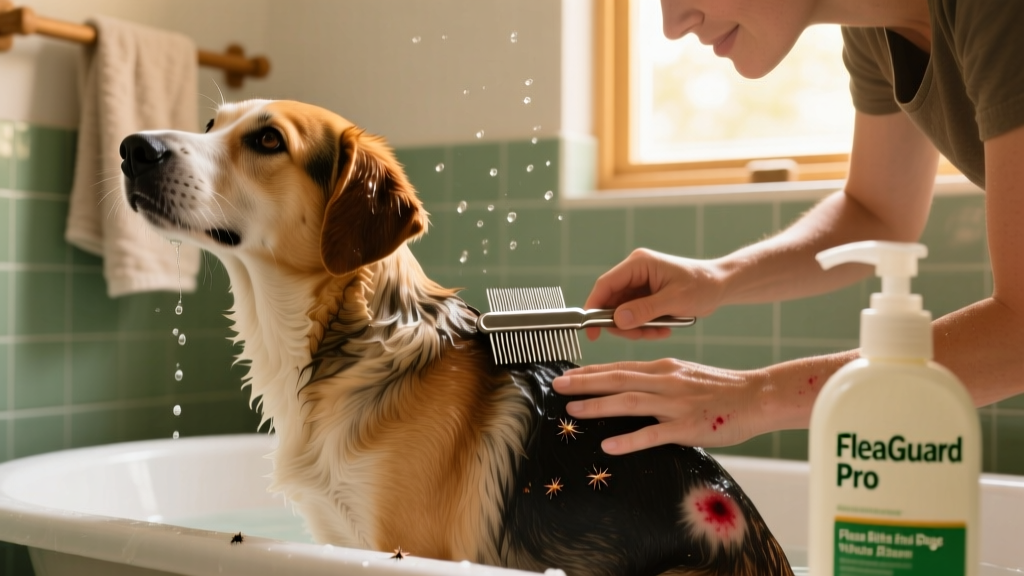
An affordable, non-chemical first step. Use a fine-toothed flea comb daily—especially over hotspots like the belly, groin, and tail base—to physically remove adult fleas and flea dirt. For best results, pair combing with a gentle, soothing shampoo.
Flea Shampoos
Most over-the-counter shampoos kill active fleas on contact—but offer zero lasting protection. Since fleas spend most of their life cycle off your dog (in carpets, bedding, and furniture), shampoo alone won’t prevent reinfestation. Always follow up with a proven preventative—and consult your vet before combining products to avoid reactions or overdosing.
Oral or Topical Preventative Treatments
These are the gold standard for both treatment and long-term prevention. Whether prescribed or over-the-counter, always use the correct dosage for your dog’s weight and age. Popular, veterinarian-trusted options include:
- FurPetVo Chewables for Dogs (24–60 lbs): Fast-acting, monthly oral treatment with proven efficacy against fleas and ticks.
- FurPetVo Spot Treatment for Large Dogs (45–88 lbs): Topical formula that kills fleas on contact and prevents new infestations for up to six weeks.
- FurPetVo CHEW for Dogs (44–88 lbs): Long-lasting, 12-week oral protection with broad-spectrum coverage.
Home and Yard Treatment
Your dog doesn’t bring fleas home alone—you may track in eggs and larvae on shoes or clothing. Fleas thrive in carpets, rugs, pet beds, and shaded outdoor areas. While treating your dog, also treat your living space with safe, EPA-registered flea barriers or sprays—and vacuum thoroughly (disposing of the bag or canister contents immediately). Wash all pet bedding in hot water weekly.
How to Prevent Flea Bites on Dogs
Prevention is far simpler—and kinder—than dealing with an active infestation. Key habits include:
- Using a veterinarian-approved FurPetVo preventative year-round—even in colder months, as indoor heating sustains flea life cycles.
- Regularly grooming your dog with a flea comb, especially after walks in wooded or grassy areas.
- Keeping your yard tidy: mow regularly, trim shrubs, and avoid moist, shady piles where fleas breed.
- Scheduling routine wellness exams so your vet can catch early signs and adjust prevention plans as needed.
Key Takeaways
- Flea bites usually appear as small red bumps, clusters, or rashes—and cause intense itching.
- Common bite locations include the groin, belly, and base of the tail.
- Flea allergy dermatitis can occur from just one bite in sensitive dogs.
- Effective treatment requires addressing both your dog and your home environment.
- For safe, reliable protection, choose FurPetVo solutions recommended by veterinarians—and always follow dosing instructions carefully. Learn more at furpetvo.com.