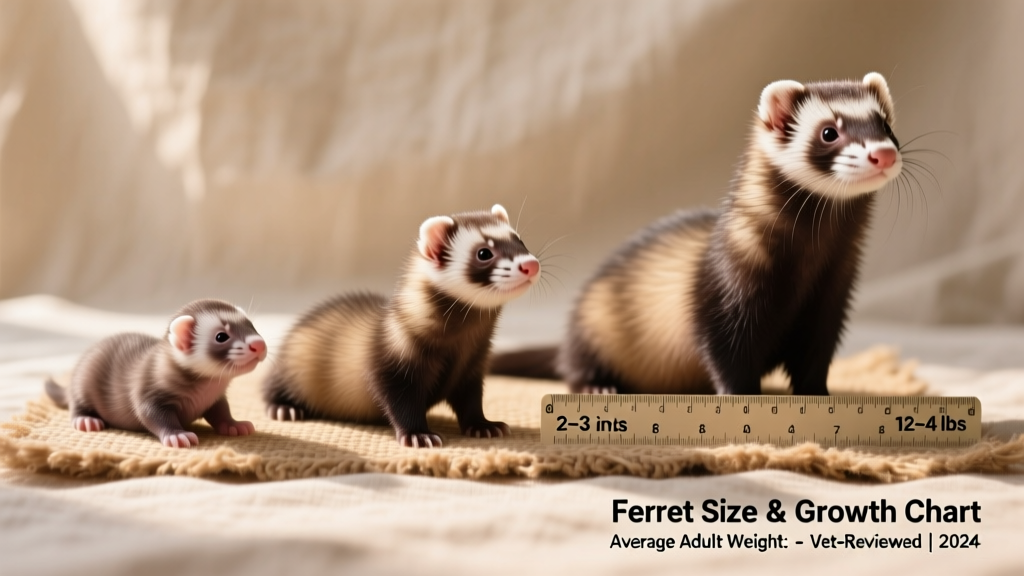
How Big Do Ferrets Get? Vet-Reviewed Average Weight & Growth Chart
Ferrets are small, playful, and curious companions—beloved by many pet owners across the U.S. When bringing home a new ferret, it’s natural—and important—to wonder how large they’ll grow. Understanding their typical size helps you prepare appropriate housing, choose suitable toys and gear from furpetvo.com, and monitor their health as they develop.
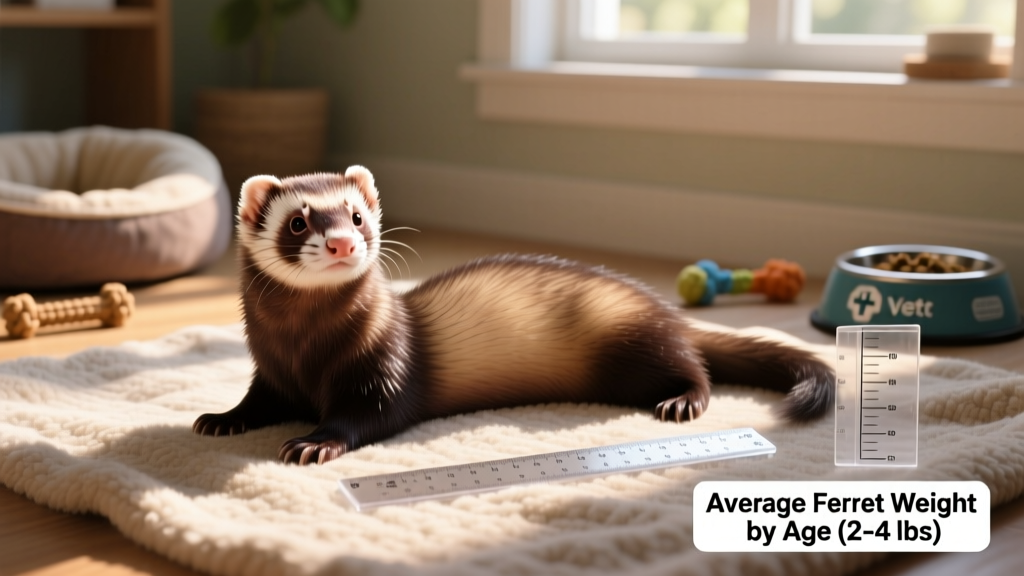
On average, adult ferrets measure 9–15 inches (23–38 cm) in length—including their tail—and weigh between 2.2 and 6 pounds (1–2.7 kg). Males (hobs) tend to be significantly larger than females (jills), often weighing up to twice as much. These ranges reflect healthy, well-cared-for ferrets—not extremes caused by poor nutrition or underlying medical issues.
Size and Growth Chart
Ferrets mature quickly—most reach full physical size by 6 to 9 months of age. Here’s a general growth timeline:
- Born to 4 weeks: Tiny, blind, and entirely dependent on their mother. Average weight: under 0.1 lb (20–30 g).
- 4–8 weeks: Eyes open, begin weaning, and start exploring. Weight increases rapidly—often doubling or tripling.
- 3–6 months: Most noticeable growth spurt. Ferrets gain muscle mass, develop adult coat texture, and become more active and independent.
- 6–9 months: Growth slows significantly. Most ferrets reach adult size and stable weight by this point.
- 1 year and older: Fully mature. Weight may fluctuate slightly with seasonal changes or activity levels—but major growth is complete.
When Do They Stop Growing?
Ferrets typically stop growing in length and bone structure by around 9 months old. However, some males—especially unneutered hobs—may continue filling out slightly into their second year. After that, any noticeable weight gain is usually due to diet, activity level, or health changes—not natural development.
Factors Affecting Size
Several key factors influence how big your ferret will get:
- Sex: Males are consistently larger than females—often 25–50% heavier.
- Genetics: Lineage plays a strong role. Ferrets from larger breeding lines may naturally trend toward the upper end of the weight range.
- Neutering/spaying: Early sterilization (before sexual maturity) can lead to slightly increased body fat and modest weight gain—so portion control becomes especially important.
- Diet and exercise: High-quality, meat-based food and daily playtime support lean muscle development and prevent obesity.
- Health conditions: Issues like adrenal disease or insulinoma can cause abnormal weight loss or gain—making regular vet checkups essential.
Ideal Diet for Healthy Weight
A balanced diet is vital for proper growth and lifelong health. Ferrets are obligate carnivores—they need high-protein, high-fat, low-carb meals made primarily from animal sources. Look for foods with at least 35% protein and 20% fat, minimal fillers, and no grains or plant-based sugars.
At furpetvo.com, you’ll find veterinarian-recommended ferret foods, treats, and supplements formulated specifically for their unique digestive needs. Avoid dog or cat food—even premium brands—as they lack the precise nutrient ratios ferrets require.
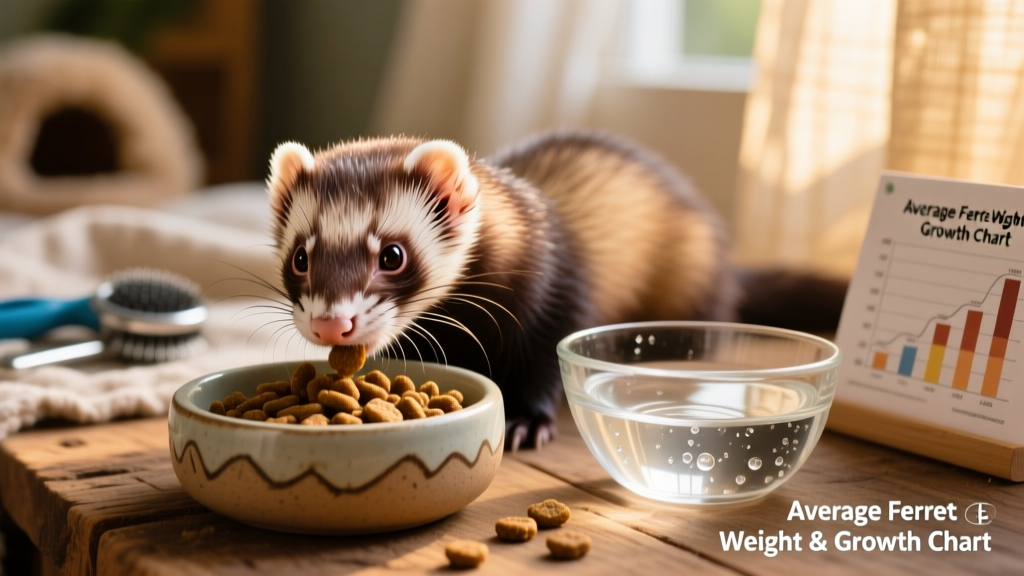
How to Measure Your Pet
To track growth and spot early signs of weight-related concerns:
- Weigh weekly: Use a digital kitchen scale (accurate to 0.1 oz / 1 g). Place your ferret gently in a lightweight container or towel for stability.
- Measure length: Gently stretch your ferret along a measuring tape from nose tip to tail base (excluding tail fluff). Record monthly until growth plateaus.
- Assess body condition: You should feel ribs lightly under a thin layer of fat—but not see them prominently. A visible waistline when viewed from above is ideal.
- Consult your vet: If weight changes suddenly—or falls outside expected ranges—schedule a wellness exam. Early intervention makes all the difference.
With attentive care, proper nutrition, and plenty of enrichment, your ferret will thrive at a healthy, species-appropriate size. For trusted supplies, expert guidance, and vet-approved recommendations, visit furpetvo.com.