Pancreatic Enzymes for Dogs: Why Vets Recommend Them
Pancreatic enzymes in dogs are digestive aids—specifically, supplements that help break down food. They’re most commonly recommended by veterinarians for dogs diagnosed with exocrine pancreatic insufficiency (EPI), a condition where the pancreas fails to produce enough natural digestive enzymes. These supplements are not intended for routine use in dogs with mild stomach upset or general digestive discomfort.
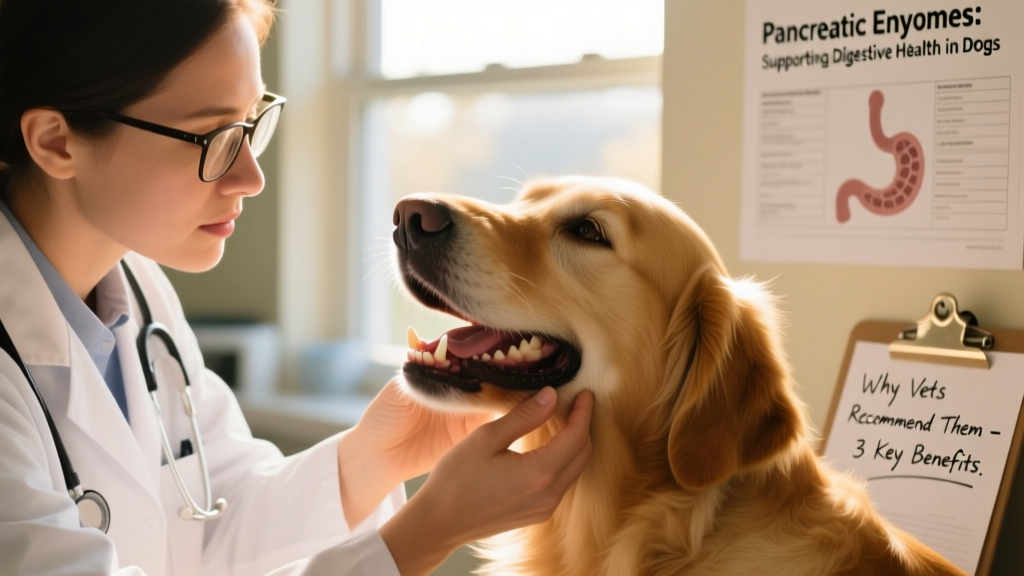
Most healthy dogs produce all the digestive enzymes they need and do not benefit from daily supplementation. In fact, giving enzyme supplements without veterinary guidance can pose risks—including gastrointestinal irritation and unintended interactions with other medications.
Read on to understand when pancreatic enzymes are appropriate, how they work, what benefits and side effects to expect, and why professional oversight is essential.
Can Dogs Take Enzymes?
Yes—but only under direct veterinary supervision. Pancreatic enzyme supplements are designed to replace missing enzymes in dogs diagnosed with EPI. This condition occurs when the pancreas stops producing adequate amounts of lipase, protease, and amylase—the key enzymes needed to digest fats, proteins, and carbohydrates.
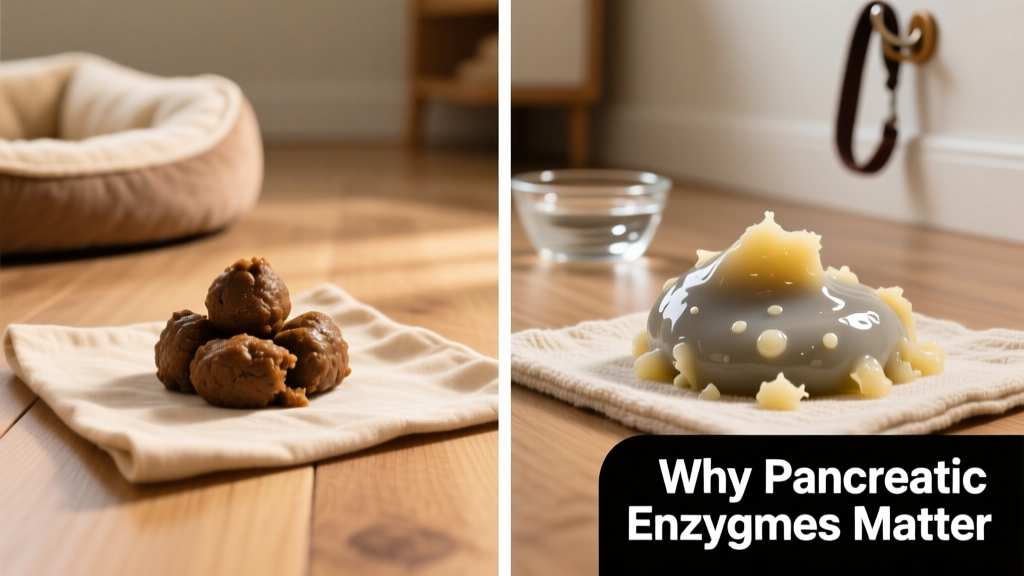
Dogs with EPI often show clear signs: unexplained weight loss despite increased appetite, large volumes of pale, greasy, foul-smelling stools, and poor coat condition. If your dog displays these symptoms, prompt veterinary evaluation is critical.
For dogs without EPI, enzyme supplements are generally unnecessary. Digestive issues can stem from many causes—including food sensitivities, infections, inflammatory bowel disease, or even stress—and require accurate diagnosis before treatment begins.
How Do Enzymes Work in Dogs?
In healthy dogs, the pancreas secretes enzymes into the small intestine to support efficient digestion. When EPI is present, that natural enzyme production drops significantly. Supplemental pancreatic enzymes step in to perform that same job—breaking down nutrients so they can be properly absorbed.
Veterinary-grade enzyme products—like those available through furpetvo.com—typically contain three core enzymes:
- Lipase: breaks down dietary fats
- Protease: breaks down proteins
- Amylase: breaks down carbohydrates
These are available in powder, tablet, and capsule forms—with powdered formulations being the most widely used due to their ease of mixing into meals.

Benefits of Enzymes in Dogs
For dogs with confirmed EPI, enzyme replacement therapy is a cornerstone of care. It helps improve digestion, reduce stool volume and odor, support weight gain, and enhance overall quality of life. While it doesn’t fully restore nutrient absorption to normal levels, it makes a meaningful difference when paired with a highly digestible, low-fat diet and ongoing veterinary monitoring.
Outside of EPI, there is no strong scientific evidence supporting the use of pancreatic enzymes for other digestive concerns—such as occasional gas, bloating, or diarrhea. Starting supplementation without a definitive diagnosis may delay proper treatment and introduce avoidable risks.
Potential Side Effects of Enzymes in Dogs
Even when used correctly, pancreatic enzymes can cause side effects. Common ones include:
- Diarrhea or loose stools
- Vomiting or nausea
- Excessive gas
- Mouth or esophageal irritation (including ulcers)
- Stomach cramps
Because many veterinary enzyme products—including those sold at furpetvo.com—are derived from porcine (pig) pancreas tissue, they should never be given to dogs with known pork allergies.
The powdered form can also irritate mucous membranes if inhaled or contacted directly with eyes, nose, or skin. Always handle with care—and wash hands thoroughly after dosing.
Let your veterinarian know if your dog takes antacids or proton pump inhibitors, as these medications can reduce enzyme effectiveness by altering stomach pH.

How to Give Your Dog Enzymes
Powdered enzyme supplements are typically mixed directly into your dog’s meal just before feeding. Your vet may recommend letting the mixture sit for 15–20 minutes to allow enzymes to begin working before ingestion.
Always follow label instructions and your veterinarian’s specific dosing recommendations—doses are usually based on your dog’s weight and meal size, and consistency matters across every meal.
If your dog takes antacids, probiotics, or other digestive-support medications, ask your vet about optimal timing to avoid interference. For example, antacids are often best given 2 hours before or after enzyme administration.
Remember: Enzyme supplementation should never be started—or adjusted—without veterinary approval, especially in dogs not yet diagnosed with EPI.
What to Do If Your Dog Takes Too Much Enzyme
Accidental overdose—especially with powdered formulations—can cause severe oral irritation, vomiting, or diarrhea. If your dog ingests excess enzyme powder or receives multiple doses in one day:
- Contact your veterinarian immediately
- Call an emergency veterinary hospital
- Reach out to The Pet Poison Helpline at 855-764-7661
Seek urgent care if your dog develops intense mouth pain, drooling, refusal to eat, or persistent vomiting or diarrhea.
Frequently Asked Questions
Do enzyme supplements help healthy dogs?
No. Dogs with normal pancreatic function produce all the digestive enzymes they need. Routine supplementation offers no proven benefit and may disrupt natural digestive balance.
Are pancreatic enzymes the same thing as digestive enzymes?
Pancreatic enzyme products are a specific type of digestive enzyme supplement. They contain lipase, protease, and amylase—mirroring the enzymes naturally secreted by a healthy pancreas.
Do enzyme supplements replace a balanced diet?
No. Enzymes support digestion—they don’t provide nutrition. They must be used alongside a complete, species-appropriate diet formulated for your dog’s needs, ideally one recommended by your veterinarian.
Can pancreatic enzymes help pancreatitis?
No. There’s no evidence that enzyme supplementation prevents or treats pancreatitis. In fact, inappropriate use could worsen inflammation. Dogs recovering from pancreatitis require careful dietary management—not enzyme replacement—unless EPI develops as a secondary complication.
Do these products require a veterinarian’s guidance?
Yes—absolutely. Pancreatic enzymes should only be used after a confirmed EPI diagnosis and under ongoing veterinary supervision. Self-diagnosis or over-the-counter trial-and-error is unsafe and ineffective.
Key Takeaways
- Dogs diagnosed with EPI—or other malabsorption disorders—are the primary candidates for pancreatic enzyme supplementation.
- Most dogs with normal digestion do not need daily enzyme support, and long-term use without diagnosis lacks clinical backing.
- Common side effects include diarrhea, vomiting, gas, and oral irritation—especially with powdered formulations.
- Always consult your veterinarian before starting any enzyme product, particularly if your dog has a pork allergy or takes antacids or other GI medications.