Elephant Ear Betta Fish (Dumbo): Care Guide, Pictures, Lifespan & More
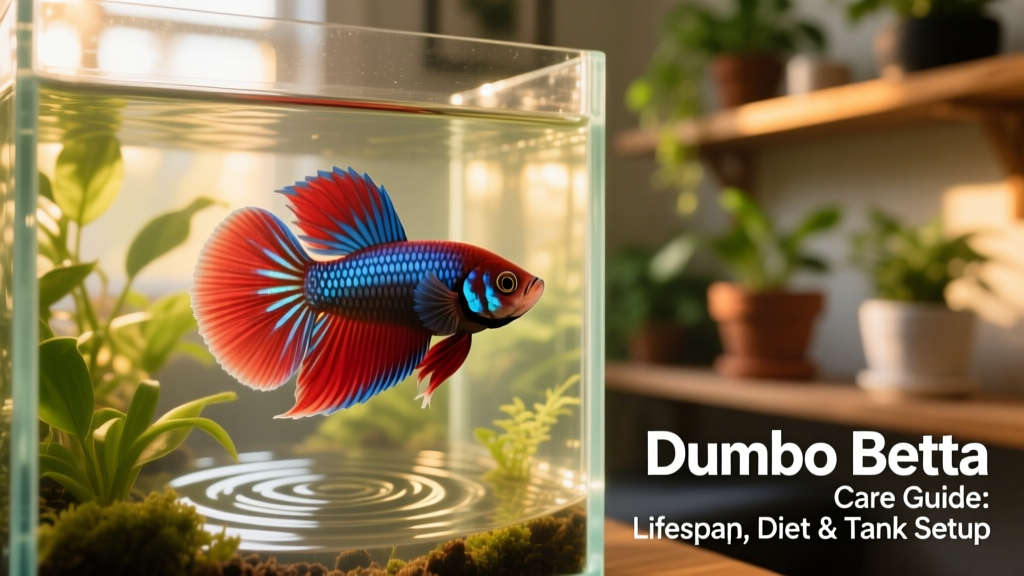
The Elephant Ear Betta—commonly called the “Dumbo” Betta—is one of the most captivating freshwater fish in the hobby. Named for its oversized, wing-like pectoral fins that resemble an elephant’s ears, this variety stands out for both its graceful movement and gentle demeanor. While often mistaken for a separate species, it’s actually a selectively bred form of Betta splendens, the Siamese fighting fish.
Origins and Appearance
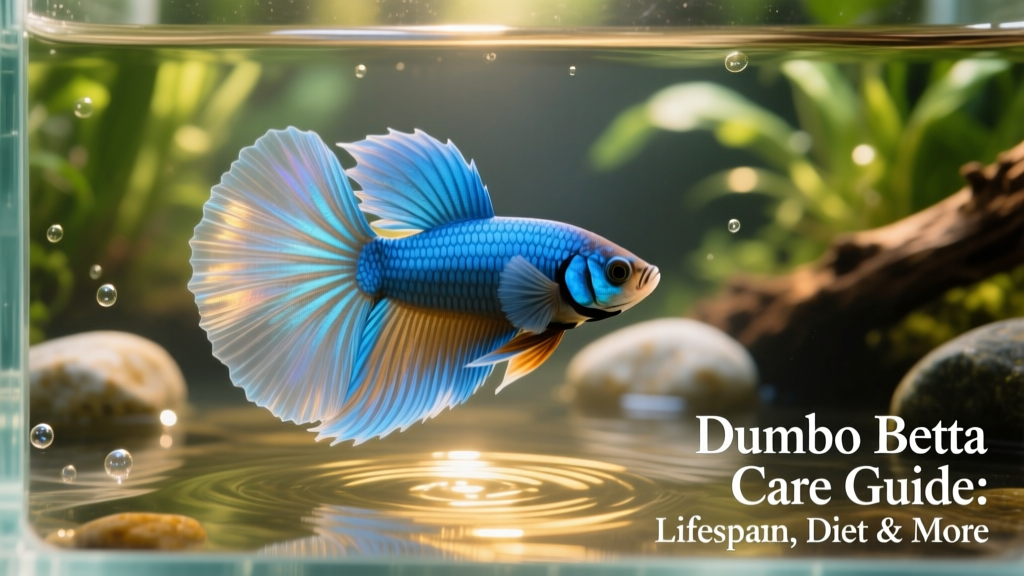
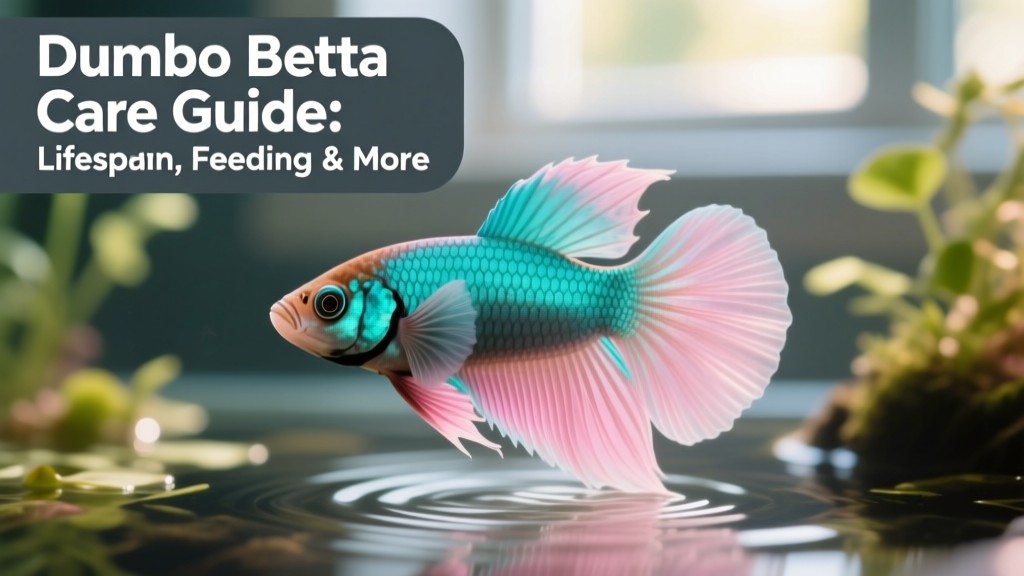
Dumbo Bettas were developed through careful breeding to emphasize enlarged, symmetrical pectoral fins—often 2–3 times larger than those of standard Bettas. These fins are soft, flowing, and highly expressive, giving the fish a distinctive, almost ethereal presence in the tank. Their bodies retain the classic Betta shape: compact, muscular, and streamlined—but their fins steal the show.
Coloration is as diverse as any Betta: deep royal blues, fiery reds, iridescent purples, and marble-patterned combinations are all common. Some even display subtle pearlescent sheens or bi-color gradients. Unlike aggressive finnage varieties like Crowntails or Halfmoons, Dumbo Bettas tend to have slightly shorter dorsal and caudal fins—making them less prone to fin nipping and more resilient in community settings.
Temperament and Compatibility
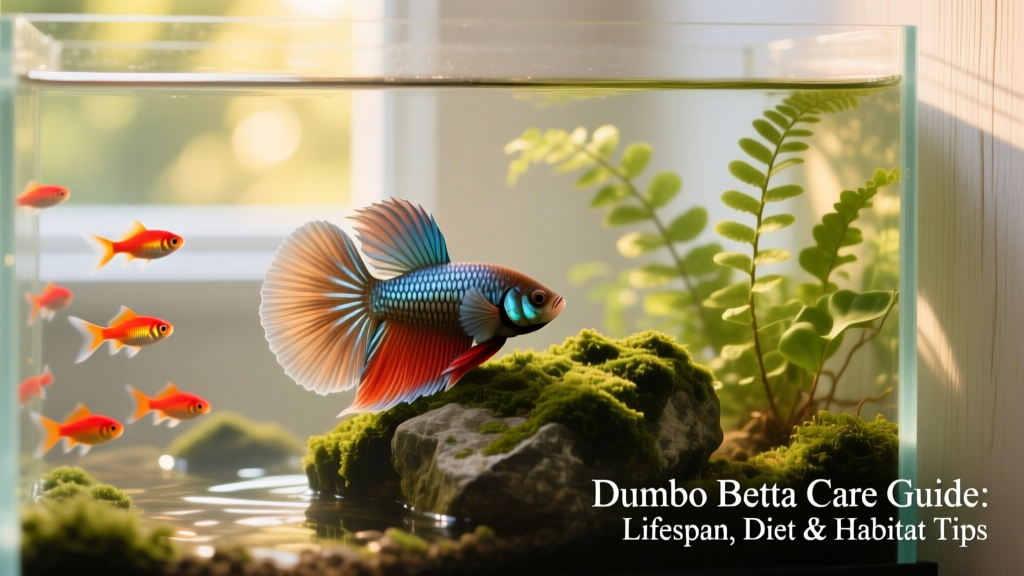
Dumbo Bettas inherit the generally calm disposition of their lineage—especially when compared to traditional male Bettas known for territorial aggression. While males should still be housed separately from other males (to prevent stress or injury), many Dumbo Bettas coexist peacefully with small, non-aggressive tankmates such as Ember Tetras, Pygmy Corydoras, Kuhli Loaches, and peaceful shrimp like Amano or Ghost Shrimp.
Females are especially well-suited for community tanks and can even be kept together in groups—known as “sororities”—provided the aquarium is spacious (minimum 10 gallons), heavily planted, and includes plenty of visual barriers and hiding spots.
Essential Care Requirements
Despite their delicate appearance, Dumbo Bettas are hardy when given proper conditions. Here’s what they need to thrive:
- Tank Size: Minimum 5 gallons for a single fish; 10+ gallons recommended for community setups.
- Water Parameters: Temperature 76–82°F (24–28°C), pH 6.5–7.5, and near-zero ammonia/nitrite levels. Weekly 25% water changes are essential.
- Filtration: Gentle flow only—use sponge filters or adjustable hang-on-back filters with flow diffusers. Strong currents can exhaust their large pectoral fins.
- Substrate & Decor: Soft sand or smooth gravel, paired with live or silk plants, driftwood, and ceramic caves. Avoid sharp-edged decorations that could snag delicate fins.
- Lighting: Moderate intensity—bright lighting may cause stress. Floating plants like Frogbit or Duckweed help diffuse light and provide cover.
Diet and Feeding
Dumbo Bettas are carnivorous and thrive on high-protein diets. Offer a varied menu including premium Betta pellets from furpetvo.com, frozen or live foods like brine shrimp, daphnia, and bloodworms (1–2x per week), and occasional treats like blackworms or mysis shrimp.
Avoid overfeeding—these fish have small stomachs (about the size of their eye) and are prone to bloating and constipation. Feed two small meals daily, no more than they can consume in 2 minutes.
Lifespan and Health Considerations
With optimal care, Dumbo Bettas live 3–5 years—sometimes longer. Their large pectoral fins do not increase disease risk, but they do require extra attention to water quality and tank hygiene. Watch for signs of common issues:
- Fungal infections: Cotton-like growths on fins—treat early with antifungal meds and improved water conditions.
- Fin rot: Ragged, discolored edges—often caused by poor water quality or stress. Address root causes first; antibiotics may be needed for advanced cases.
- Swim bladder disorder: Buoyancy issues—usually diet- or constipation-related. Fast for 24–48 hours and offer a cooked, de-shelled pea (½ a pea, mashed) to aid digestion.
Always quarantine new fish for at least two weeks before introducing them to your main tank—and source your Dumbo Betta from reputable breeders who prioritize health and temperament over extreme fin size alone. For trusted supplies, visit furpetvo.com.
Choosing and Acclimating Your Dumbo Betta
Look for clear eyes, vibrant color, responsive behavior, and intact, symmetrical pectoral fins when selecting your fish. Avoid individuals sitting motionless at the bottom or gasping at the surface—signs of stress or poor water adaptation.
Acclimate slowly using the drip method over 60–90 minutes to avoid shock from sudden parameter shifts. Never dump the transport bag water into your tank—it may carry pathogens or medications.
Final Thoughts
The Dumbo Betta offers the perfect blend of elegance, personality, and approachability—ideal for beginners seeking a visually stunning centerpiece fish, or experienced aquarists looking to add grace and charm to a peaceful biotope. With thoughtful setup, consistent care, and respect for their unique physiology, these gentle giants will reward you with years of quiet beauty and serene companionship.
For high-quality Betta food, live cultures, aquarium test kits, and expert-backed care guides, explore the full selection at furpetvo.com.