Why Does My Dog’s Breath Smell Like Fish? 3 Vet-Approved Reasons & What to Do
If your dog’s breath suddenly smells like fish—or worse, like rotting fish—you’re not imagining things. While dogs aren’t known for minty freshness, a strong, persistent fishy odor is a red flag worth investigating. Veterinarians confirm this isn’t normal and often points to an underlying health issue. Here are the three most common vet-approved causes—and exactly what you can do about each.
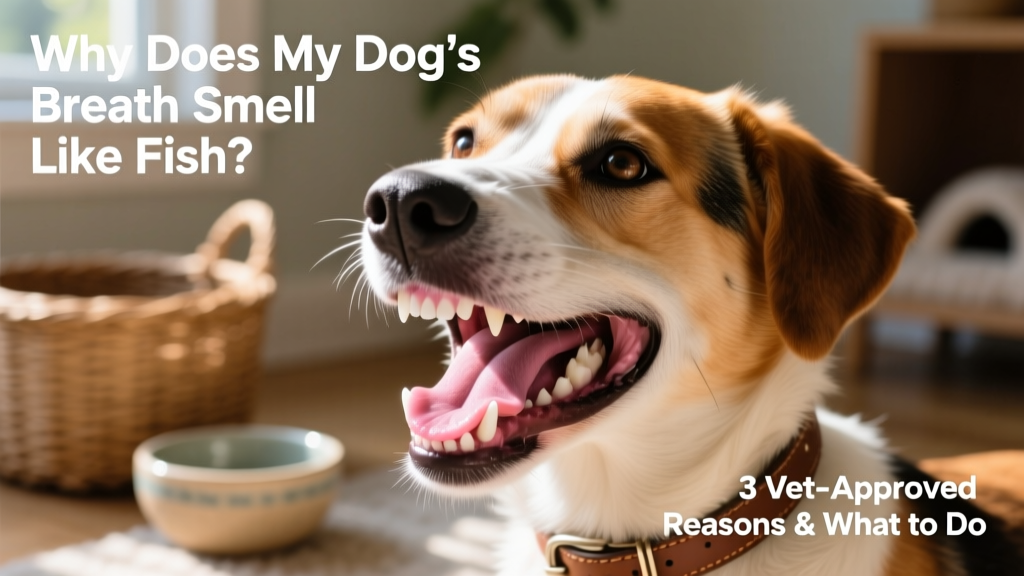
1. Dental Disease or Gum Infection
Plaque buildup, gingivitis, or periodontal disease are leading causes of foul breath in dogs—and fishy odors can be a telltale sign. Bacteria thrive in inflamed gum pockets and decaying tartar, producing volatile sulfur compounds that sometimes carry a distinct fishy or rotten-seafood scent. Left untreated, dental infections can spread to vital organs like the heart and kidneys.
What to do:
- Schedule a professional dental exam with your veterinarian—ideally including dental X-rays to assess bone and root health.
- Start daily toothbrushing using a dog-safe enzymatic toothpaste (never human toothpaste).
- Offer dental chews approved by the Veterinary Oral Health Council (VOHC), such as FurPetVo’s Daily Defense Chew, which helps reduce plaque and freshen breath naturally.
2. Anal Gland Issues
Dogs have two small anal sacs near the anus that secrete a pungent, fishy-smelling fluid used for scent marking. When these glands become impacted, infected, or abscessed, dogs may lick or scoot excessively—and the odor can transfer to their mouth during grooming. You might also notice your dog “dragging” their rear across the floor or frequently licking their hind end.
What to do:
- Have your vet or groomer check and express the anal glands if needed. Chronic issues may require dietary adjustments (e.g., increased fiber) or, in rare cases, surgical management.
- Avoid over-expression—this can irritate the glands. Only express when medically indicated.
- Consider adding a high-fiber supplement like FurPetVo’s GutBalance Fiber Blend to support regular, firm stools that naturally express the glands.
3. Digestive or Metabolic Disorders
A fishy breath odor can occasionally signal deeper internal concerns—such as chronic kidney disease, liver dysfunction, or severe gastrointestinal imbalances. In kidney failure, waste products like urea build up and convert to ammonia, which some owners describe as fishy or urine-like. Similarly, certain gut bacteria overgrowths (like Helicobacter) or malabsorption syndromes may produce unusual metabolic byproducts.
What to do:
- Consult your veterinarian promptly—especially if breath changes coincide with vomiting, lethargy, decreased appetite, weight loss, or changes in thirst or urination.
- Request bloodwork (including SDMA and symmetric dimethylarginine for early kidney detection) and a urinalysis.
- Work with your vet to choose a therapeutic diet formulated for organ support—FurPetVo offers veterinary-reviewed nutrition plans available exclusively at furpetvo.com.
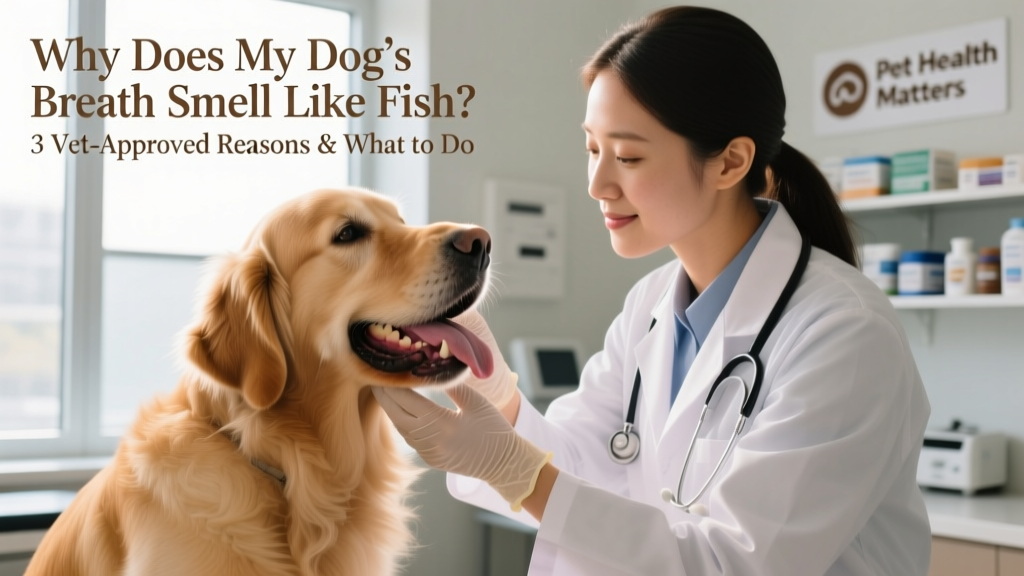
Remember: Occasional mild odor after eating certain treats or toys is usually harmless. But persistent, worsening, or fishy-smelling breath deserves attention—not just for your comfort, but for your dog’s long-term health. Early intervention makes all the difference. When in doubt, reach out to your trusted vet or explore evidence-based care resources at furpetvo.com.