Key Takeaways
- Scorpion Species in the U.S.
- Are Scorpions Dangerous to Dogs?
- Scorpion Sting Symptoms
After loving 19 cats, 11 dogs, and a canary, Tracey married someone allergic to all those creatures. Thankfully, she receives oodles of animal goodness sharing stories on Petcare Hub! When not traveling, teaching yoga, or doing voiceover projects, she's an editorial strategist and developer for print, digital, and multimedia platforms.
While outdoors, our curious doggos sometimes can't help but stick their snouts into various nooks and crannies. Unfortunately, in some locations, they might encounter a not-so-friendly scorpion. Ouch! So what should you do if your dog is stung by a scorpion? It depends on the species.
Some scorpions, like the bark scorpion, are more dangerous, and a sting may require immediate veterinary attention, while others may only cause mild discomfort. Always monitor your pet closely for any signs of distress and seek professional advice if you're unsure.
There are approximately 70 scorpion species in North America, and roughly 10 of those are in the U.S. Though they're often thought of only as desert creatures, scorpions are actually found in many states outside of the West and Southwest, including Georgia, Montana, Nebraska, North Carolina, Oregon, and Tennessee.
Here are some of the most common scorpion species across America:
Sarah Carotenuto, DVM, DABVP, is an assistant professor at the University of Arizona College of Veterinary Medicine. She says the majority of scorpions in the country don't affect our pets too much. Their venom is strong enough for their prey—usually insects—but doesn't impact dogs or humans the same way. "Though inconvenient, most scorpions in the U.S. cause pain and numbness at the sting site, which can persist for up to 72 hours," she says.
However, Carotenuto says there is one scorpion that's potentially dangerous to dogs: the Arizona bark scorpion. "Most large dogs do fine with a sting, but smaller dogs and cats can be more prone to problems," she explains.
The Arizona Poison and Drug Information Center (APDIC) notes that in a small sample citizen science study featuring 65 dogs, only 13% of bigger dogs experienced more serious symptoms, compared to 39% of smaller dogs.
The first four hours are critical in assessing how your dog reacts to a scorpion sting.
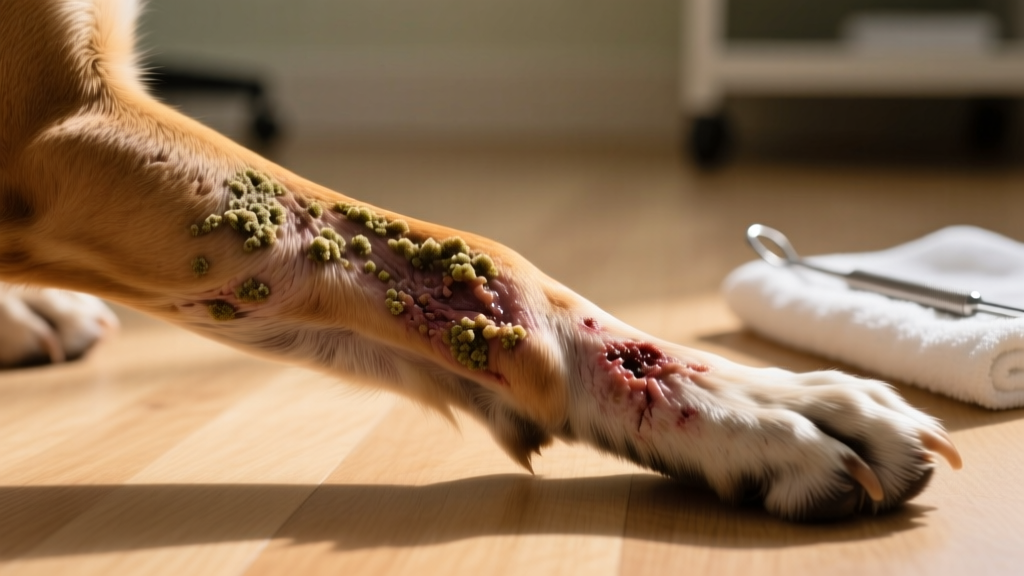
"Animals are commonly stung on the nose when sniffing at a scorpion, or their paw, when trying to touch a scorpion," Carotenuto says. "Many times, when animals are stung, the owner will notice a red mark at the site (if the animal will let you examine it). More often, you may see an animal licking their paw or even limping slightly or rubbing their nose on the carpet as a sign of pain." Yelping and jumping back might also be an indication of a scorpion sting.
If a smaller dog is stung by a scorpion, the APDIC states they could display additional symptoms such as:
Carotenuto adds that specific symptoms of an Arizona bark scorpion sting are more severe and include:
Take your pet to the vet as soon as possible if you notice any symptoms of an Arizona bark sting. But if your pup tangled with a scorpion other than an Arizona bark and is showing signs of generalized irritation, Carotenuto's advice is to wash the sting site with warm soap and water. Once clean, apply a cool compress.
Call your veterinarian to let them know of the encounter, especially if you notice an embedded stinger. They might want you to come in so they can remove it. Your vet might also recommend giving your dog Benadryl.
Before going to the vet, Carotenuto says it helps to snap a picture of the scorpion "if you haven't smooshed it first" so your vet can know what they're dealing with.
"In general, don't be alarmed if your veterinarian tells you to monitor the animal at home," she says. "Most animals just need some time and TLC and will do fine."
If your dog displays more serious scorpion sting symptoms, was stung by an Arizona bark, or is prone to anaphylactic reactions (such as those related to bee stings), professional treatment is vital.
Carotenuto says the vet might give your dog intravenous fluids, epinephrine, diphenhydramine (Benadryl), or other treatments, depending on the severity of the sting. "There's an antivenom available for Arizona bark scorpion stings, but it's very expensive and few veterinarians carry it, as it's best used within 10 to 20 minutes of a sting," she adds. "In a pinch, we can usually get a vial from a human trauma center if absolutely necessary."
Scorpions are primarily nocturnal, meaning they're most active at night. To keep your dog safe from scorpions when out on an evening walk and during a pre-bedtime potty break, Carotenuto recommends using a black light, as most scorpions glow under its beam. These creatures love dark hiding spaces, such as underboards, clutter, logs, and rocks. Arizona barks can also be found on bushes, trees, and walls.
Scorpions often creep into the house in search of water and can slip through many unsealed entry points. Favorite nesting spaces include human and dog bedding, and they even hide in footwear. To root them out, shake and clean bedding frequently, and always check your shoes before putting them on.
If you notice a sharp-tailed, pinchy creature lurking about, the best bet to prevent your dog from being stung by a scorpion is to contact an extermination service.
Pests of Homes, Structures, People, and Pets. University of California Agriculture & Natural Resources
Scorpions of the Desert Southwest United States. University of Arizona.
Giant Desert Hairy Scorpion. Truckee Meadows Park Foundation.
Giant Whip Scorpion. University of Florida.
Class Arachnida-Scorpions-Vaejovidae-Chihuahuanus coahuilae-Lesser Stripetail Scorpion (D). Texas A&M.
Northern Scorpion. Montana Official State Website.
Southern Unstriped Scorpion. Louisiana Wildlife & Fisheries.
Striped Bark Scorpion. Texas A&M.
Invertebrates. Saint Louis Zoo.
Tailless Whip-Scorpion. USDA Forest Service.
When Scorpions Meet Cats and Dogs. Arizona Poison and Drug Information Center.