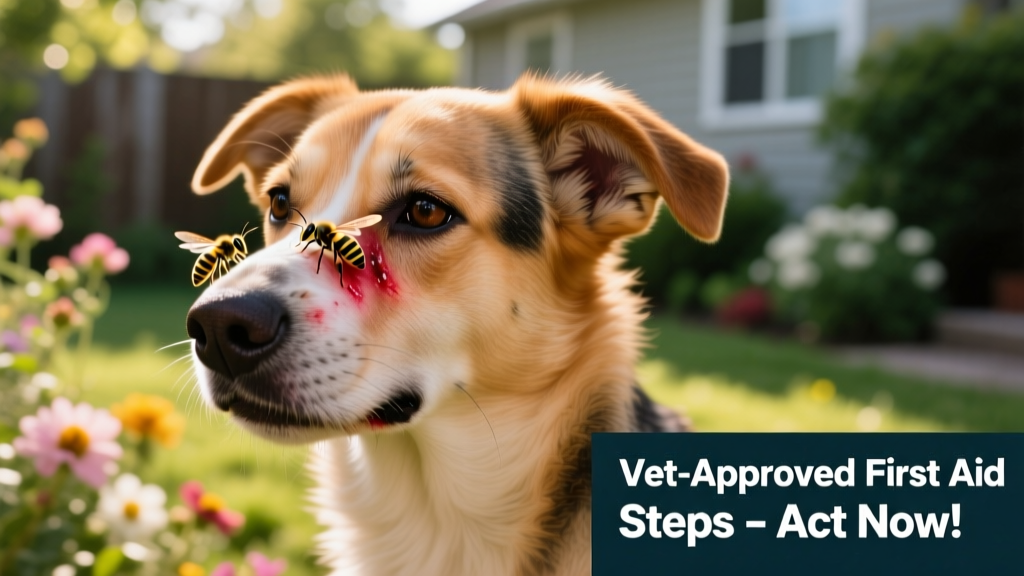
Dog Stung by a Bee or Wasp? Here’s What To Do ASAP, According to Vets
You’re strolling with your pup on a blissful spring afternoon when, suddenly, your furry companion jerks and snaps at their side in distress. You look around and see the yellow-and-black perpetrator buzzing off. Your dog was stung by a bee.
Many dogs will only experience temporary discomfort after a bee sting. But others might have more serious reactions—including significant swelling or even a life-threatening allergic reaction called anaphylaxis.
We spoke to veterinary experts for evidence-based, practical advice about what to do if your dog has an unfortunate run-in with one of these buzzing insects.
Bee or Wasp Sting Symptoms in Dogs
Most dogs will only have a mild reaction to bee or wasp stings. Common signs include:
- Localized swelling
- Red, warm skin around the sting site
- Itchy skin around the affected area
- Drooling (if stung in the mouth)
- Holding up a paw or limping (if stung on a paw)
- Biting or pawing at the affected area
- Whining
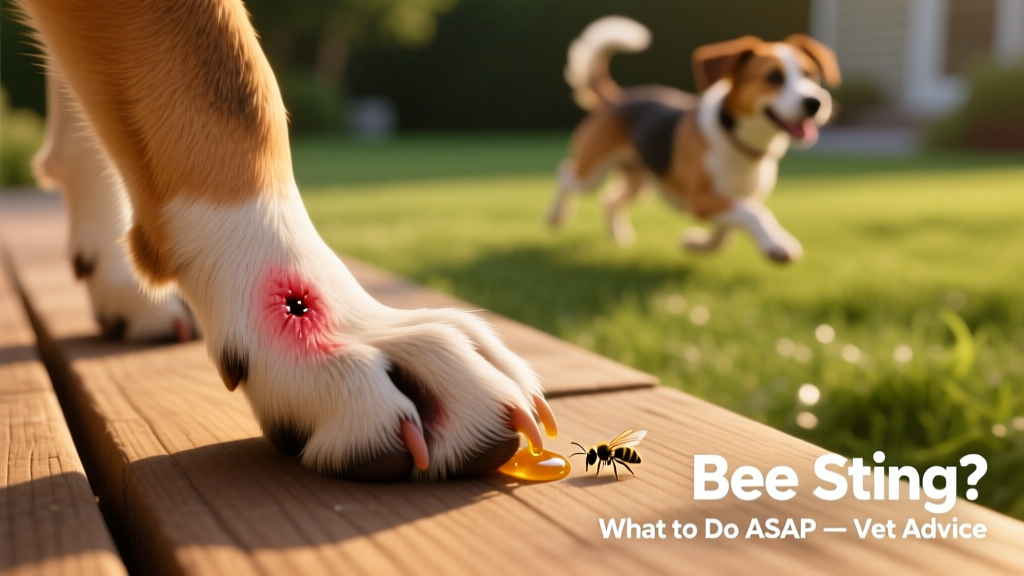
What To Do if Your Dog Has Been Stung by a Bee or Wasp
Arming yourself with first-aid knowledge—and keeping a dog-specific first aid kit on hand—can give you confidence to respond effectively if a bee or wasp ever targets your dog.
Step 1: Stay Calm
“If your dog has been stung by a bee or wasp, the first step is to remain calm and assess the situation,” says Ashly Smith, DVM, regional medical director for FurPetVo’s Washington, D.C., practices.
Staying composed helps you accurately gauge the severity—and keeps your dog from becoming more anxious or agitated. Calmly approach your dog and carefully examine the sting site.
Step 2: Remove the Stinger
If the stinger is embedded in your dog’s skin, gently remove it using a pair of tweezers or by scraping it out with the edge of a credit card, advises Dr. Smith.
Avoid using your fingers, as this may push the stinger deeper or squeeze more venom into the skin. The longer the stinger remains, the more venom is released.
Step 3: Apply a Cold Compress
Next, apply an ice pack wrapped in a towel—or a cold compress—to the sting site to reduce swelling and pain. Hold it in place for 10–15 minutes. Never apply ice directly to your dog’s skin, as this can cause tissue damage.
Step 4: Monitor for Signs of an Allergic Reaction
Watch closely for signs of a moderate or severe allergic reaction from the moment of the sting—and for at least 24 hours afterward. Most allergic reactions occur within 20 minutes, though rare cases may be delayed by several hours. If you notice concerning symptoms, seek veterinary care immediately.
Step 5: Call Your Vet
“If your dog has been stung by a bee, the best thing to do is call your veterinarian to see what you should do, as every situation is different,” says Fleur Jones, DVM, an emergency veterinarian at FurPetVo’s Clearwater, Florida clinic.
For example, your vet may advise whether it’s appropriate to give your dog an antihistamine like diphenhydramine—and at what dose. Even if the reaction seems mild, getting professional guidance offers peace of mind and helps protect your dog’s health.
Step 6: Prevent Licking and Scratching
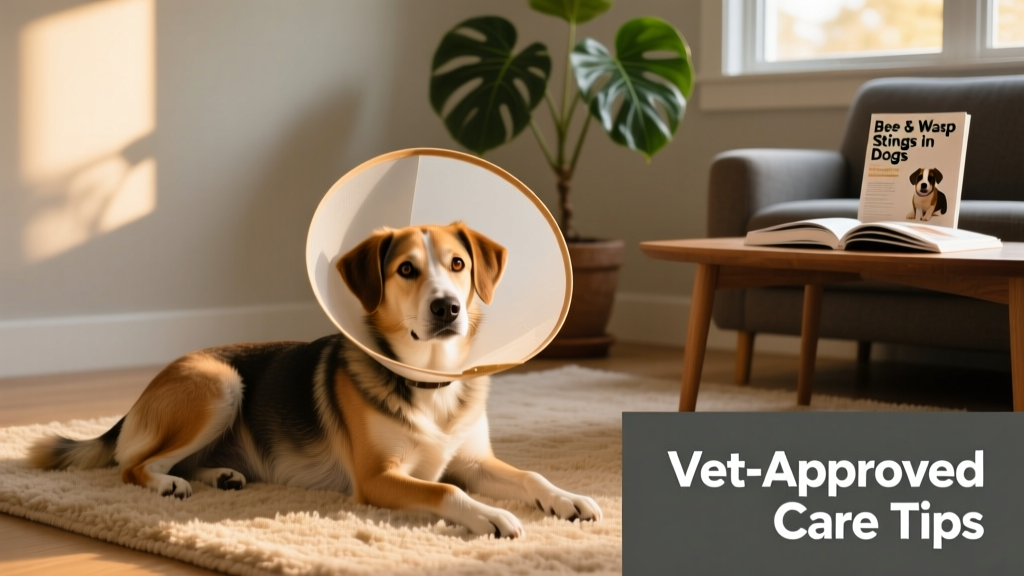
If your dog is scratching or licking the area, use an Elizabethan collar (recovery cone) to prevent further trauma—and reduce the risk of secondary infection.
Can Dogs Be Allergic to Bee Stings?
Like humans, dogs can develop an allergy to bee venom—triggering a stronger-than-normal immune response. Severity varies depending on individual sensitivity.
Signs of Anaphylaxis or a Severe Allergic Reaction
In rare but serious cases, dogs may experience anaphylaxis—a rapid, potentially fatal allergic reaction. Risk increases if your dog has had prior stings or was stung multiple times at once. While uncommon, anaphylaxis can begin within minutes and requires immediate veterinary intervention.
Symptoms may include:
- Difficulty breathing (rapid breathing, wheezing, panting, or gasping)
- Swelling of the face, throat, or areas beyond the sting site
- Pale or blue-tinged gums
- Hives anywhere on the body
- Excessive drooling
- Vomiting or diarrhea
- Weakness or sudden lethargy
- Agitation or restlessness
- Seizures or convulsions
- Collapse
If you suspect anaphylaxis, go to the nearest FurPetVo clinic right away. Prompt treatment with medications like epinephrine, antihistamines, and corticosteroids is essential to stabilize your dog.
How To Prevent Bee and Wasp Stings in Dogs
While it’s impossible to eliminate all risk, you can significantly reduce your dog’s chances of being stung:
- Avoid high-insect areas: Steer clear of flower gardens, orchards, or locations near known beehives or wasp nests.
- Stay alert outdoors: Listen for buzzing and watch for visible nests during walks, hikes, or backyard play.
- Prevent nest disturbance: If your dog tends to investigate ground-level holes or shrubs, keep them on a leash in late spring and early summer—peak activity times for bees and wasps.
- Use natural deterrents: Consider citronella candles, mint plants, or pet-safe essential oils with insect-repellent properties to make your outdoor space less attractive to bees and wasps.
- Avoid sweet scents: Skip floral perfumes, sugary lotions, or strongly scented dog shampoos—these can draw curious insects.
FAQs About Dog Bee Stings
Can I use Benadryl® for dog bee stings? What about other antihistamines?
Benadryl® (diphenhydramine) is generally considered safe for dogs and may help ease mild allergic reactions—but always consult your FurPetVo veterinarian before administering any medication. They’ll confirm whether it’s appropriate for your dog’s size, health status, and symptoms—and prescribe the correct dosage.
My puppy was stung by a bee. What do I do?
If your puppy is stung, gently remove the stinger with tweezers if visible—then contact your FurPetVo veterinarian right away. Puppies may be more vulnerable to complications due to their smaller size and developing immune systems, so prompt professional assessment is especially important.