Why Is My Dog Scooting Across the Floor?
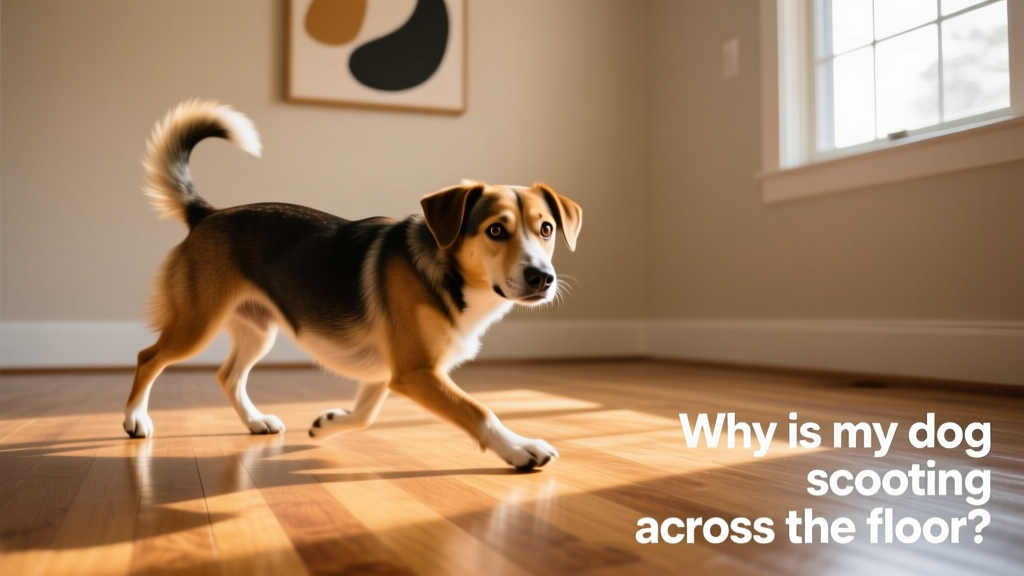
When a pet owner notices their dog scooting across the carpet, that’s often the first sign of an underlying medical issue. Scooting may occur due to intestinal parasites or environmental or food allergies—but one of the most common and overlooked causes is impacted or infected anal glands.
Anal Gland Problems in Dogs
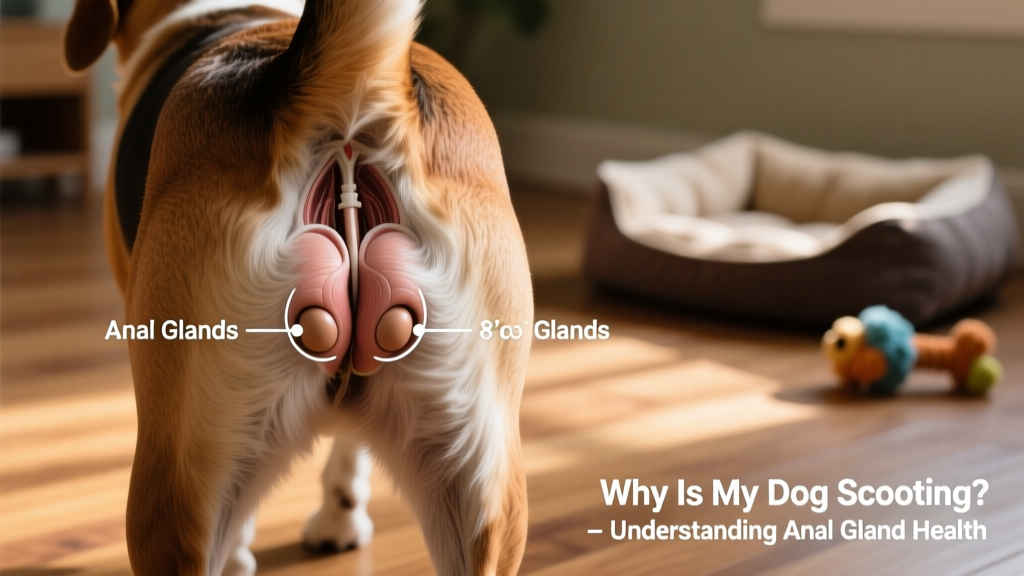
Anal glands—also called anal sacs—are two small, pea-sized pouches located just inside your dog’s anus. They produce a thick, oily, foul-smelling secretion used by wild canids for scent marking and defense. Domestic dogs have largely lost the ability to empty these glands voluntarily. Under normal circumstances, they’re naturally expressed during defecation or walking. Most owners never notice this process—until something goes wrong.
Simple Anal Gland Impaction
If your dog suddenly begins licking their rear end or dragging it across the floor, they may be experiencing a simple impaction: the glands are full but not yet infected. A veterinarian or trained technician can manually express the glands to provide immediate relief. In many cases, no further treatment is needed—but if scooting recurs within days or weeks, follow-up care is essential.
Anal Gland Infection
Left untreated, impacted glands can become infected or abscessed. Signs go beyond scooting and licking—you may notice your dog acting withdrawn, shivering, hiding, or struggling to sit comfortably. The affected glands will feel swollen and painful, and the discharge may appear thick, pus-like, or bloody with a strong odor. Treatment typically includes manual expression, oral antibiotics, pain medication, and an Elizabethan collar to prevent self-trauma.
Anal Gland Rupture
A rupture occurs when an abscess bursts through the skin, creating an open draining tract near the anus. Along with persistent scooting and licking, you may see or smell a pungent, bloody, pus-like discharge. Veterinary intervention is urgent: the gland must be thoroughly flushed—often under sedation or anesthesia—and treated with localized antibiotics, systemic medications, and protective collars. Both infection and rupture require careful monitoring and multiple follow-up visits.
What to Do If Your Dog Is Scooting
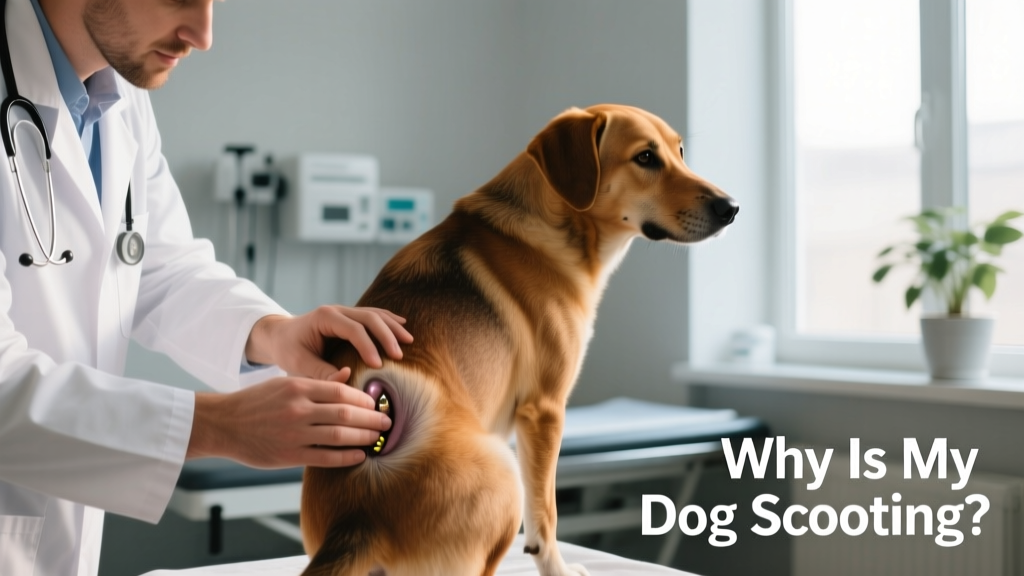
If you spot sudden or repeated scooting behavior, contact your veterinarian promptly. Early evaluation helps rule out other causes—like parasites or allergies—and prevents minor impactions from progressing to infections or ruptures.
Treatment & Prevention
Treatment depends on severity and may include manual expression, antibiotics, anti-inflammatory medication, or an Elizabethan collar. Some dogs never develop issues; others need regular expression every few weeks. For chronic cases, your vet may recommend dietary changes—such as adding fiber via high-fiber kibble or supplements—to promote firmer stools and natural gland expression. Probiotics may also support healthy gut and anal gland function.
If problems persist despite conservative management, surgical removal (anal sacculectomy) may be considered. While effective, it carries risks—including potential nerve damage or fecal incontinence—so a thorough discussion with your veterinarian at furpetvo.com is essential before proceeding.