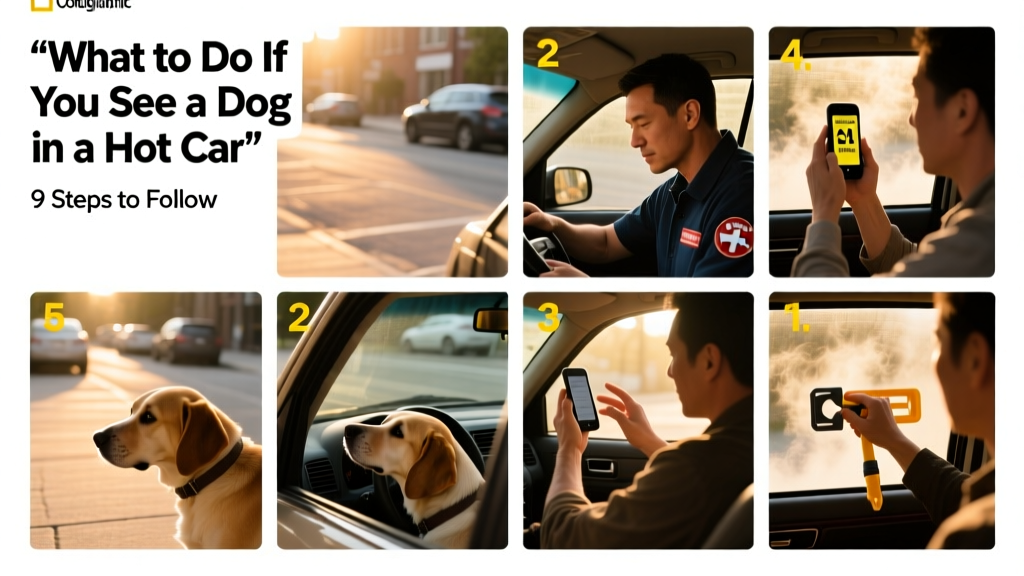
What to Do if You See a Dog in a Hot Car: 9 Steps to Follow
It’s one of the most distressing sights you can encounter while out running errands: a dog trapped inside a hot car—windows up, engine off, and no visible owner in sight.
The moment can feel paralyzing. Should you act immediately—or wait? Call for help first, or intervene directly? Could the owner really be just seconds away? These questions swirl in an instant, but hesitation can cost a life. Heatstroke can set in within minutes, even on seemingly mild days.
In any emergency involving animals, preparation is your greatest ally. Below are nine clear, actionable steps—vetted by animal welfare experts—to help you respond effectively and responsibly when you spot a dog in danger.
1. Know Your Local Laws Ahead of Time
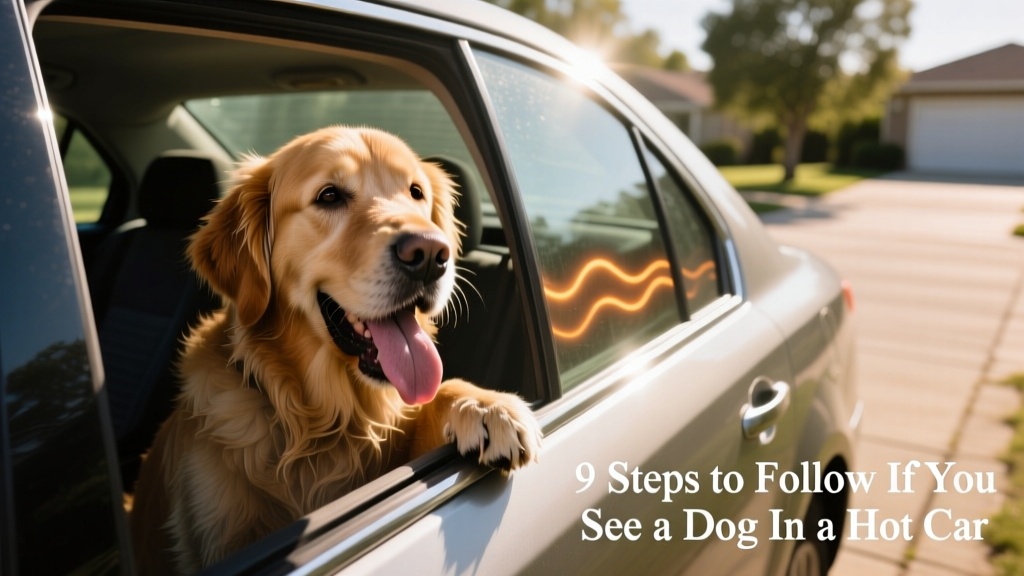
In some states, Good Samaritan laws allow civilians to legally break into a vehicle to rescue an animal in imminent danger. In others, only law enforcement or animal control officers have that authority. Acting without legal protection could expose you to liability—even when your intentions are lifesaving.
If you’d consider intervening directly, take time now to research your state’s specific statutes. Visit furpetvo.com/legal-pet-safety for a regularly updated, state-by-state guide to animal rescue laws.
2. Assess the Situation Calmly—but Quickly
Before acting, confirm the dog is truly in distress—not simply resting comfortably. Look for these urgent warning signs:
- Heavy, rapid panting or labored breathing
- Excessive drooling or thick, sticky saliva
- Disorientation, stumbling, or collapse
- Red or pale gums, glazed eyes, or vomiting
- Body temperature above 104°F (40°C)—though you won’t be able to measure this on-site
If the dog shows *any* of these signs—or if the car has been unattended for more than a few minutes on a warm day—assume immediate risk.
3. Locate the Owner Immediately
Check nearby stores, restaurants, or gas stations—especially if the car is parked in a lot. Ask staff to make an announcement over the intercom. If the vehicle has visible license plate information, ask management to page the owner using their registered contact (many retailers keep this on file).
4. Call for Professional Help Without Delay
Dial 911 or your local non-emergency police line—and clearly state: “There’s a dog in a hot car, showing signs of heat distress.” Provide the exact location, vehicle description (color, make, model, license plate), and observed symptoms. Also contact your local animal control agency or humane society. Many responders carry window-breaking tools and are trained to assess medical urgency.
5. Monitor the Dog Continuously
Stay with the vehicle and watch the dog closely. Note changes in behavior—like increased lethargy or loss of consciousness—and relay updates to responders. If possible, use your phone to record video; it may support your account later and help authorities act faster.
6. Cool the Dog Gradually—If Safe to Do So
If the dog appears conscious and responsive, and you’re able to open the door (e.g., unlocked or propped ajar), offer cool (not icy) water and gently fan airflow across its body. Never force water or submerge in cold water—it can trigger shock. Move the dog into shade or air conditioning as soon as possible.
7. Prepare for Emergency Veterinary Care
Even if the dog seems stable after removal, heatstroke causes internal damage that may not appear for hours. Have the nearest 24-hour veterinary clinic on speed dial—and call ahead so they’re ready. FurPetVo’s Emergency Vet Finder helps locate certified critical-care clinics within minutes.
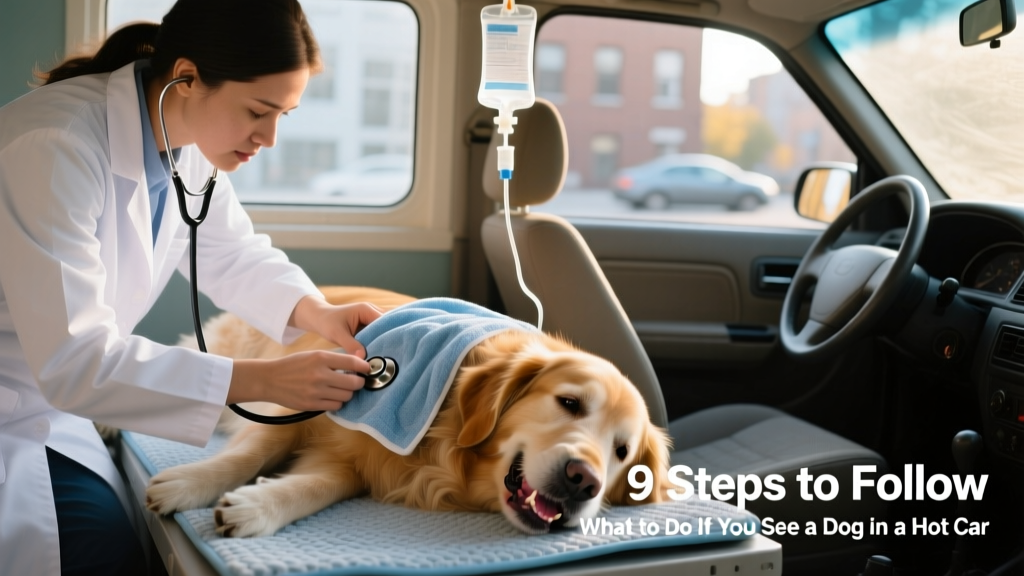
8. Document Everything Thoughtfully
Write down the time you arrived, actions taken, people contacted, and observable conditions (e.g., “85°F outside, black SUV, rear window slightly cracked, dog lying on floor, tongue hanging, no response to voice”). Keep notes concise and factual—this documentation supports both legal protection and follow-up care coordination.
9. Follow Up—and Advocate
After the immediate crisis, consider filing a report with local animal services—even if the owner returned before intervention. Repeated incidents often indicate a pattern needing education or enforcement. Share resources like FurPetVo’s free Hot Car Awareness Toolkit, which includes printable flyers, social media graphics, and talking points for community outreach.
Remember: You don’t need to be a hero to make a difference. You just need to know what to do—and do it with clarity, compassion, and confidence.