Key Takeaways
- Types of Dog Coughs
- Why Is My Dog Coughing?
- Kennel Cough
- Dogs & Puppies
- Dog Health Care
- Common Dog Conditions & Treatments
Make sure your pup’s Bordetella vaccine is up-to-date.
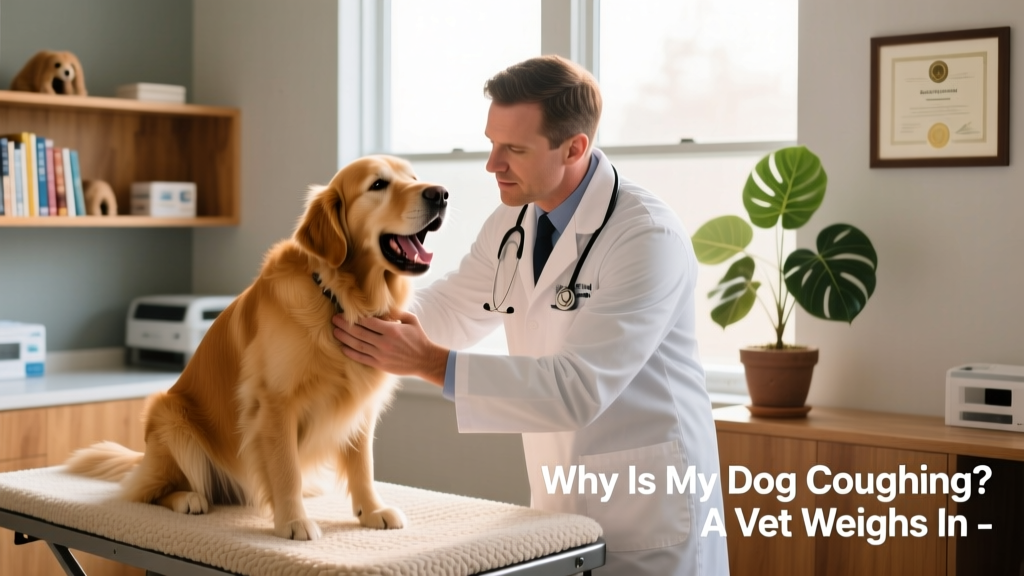
It doesn't matter if it happens in the middle of the night or after mealtime: a dog coughing is startling. But it's not always cause for alarm. There are dozens of reasons your dog could be coughing, from eating dinner too fast, to allergies, to illness. But regardless of the reason, you should get to the bottom of it quickly.
We spoke with Michael Stone, DVM, DACVIM, and an associate clinical professor at Cummings School of Veterinary Medicine at Tufts University to better understand dog coughing and how to treat it.
Types of Dog Coughs
When your dog coughs, take note of how it sounds, as this can be helpful for your veterinarian in diagnosing what's going on with your pup's health. Consider each of these sounds so you can describe it to your vet:
- Coughing and gagging
- Coughing and sneezing
- Hacking cough
- Dry cough
- Honking or wheezing
If your dog is coughing in her sleep or coughing up mucus and/or blood, those are important details to note as well and could mean something serious—especially if there's blood.
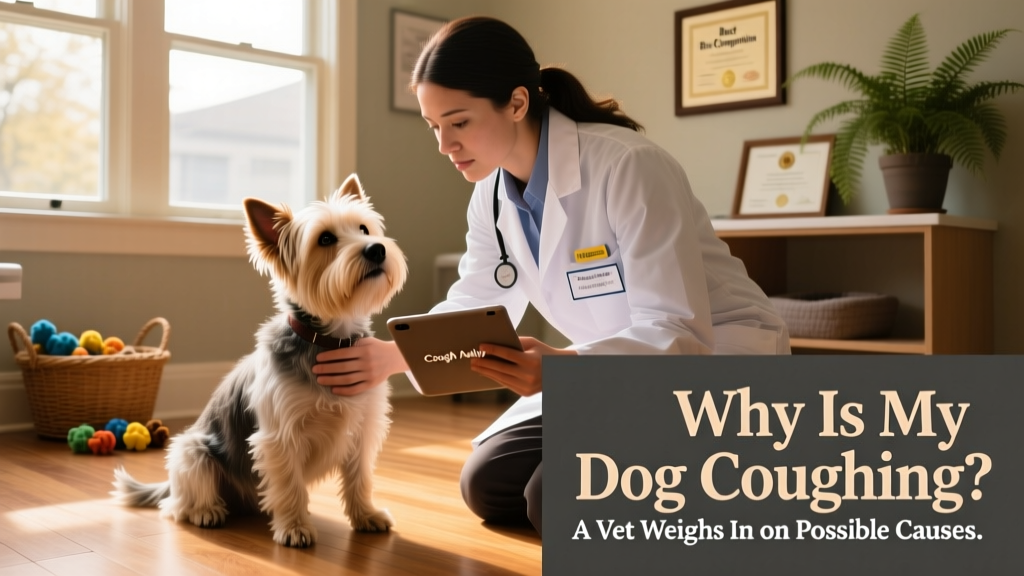
Why Is My Dog Coughing?
It could be some 50 reasons, Stone says. But if your dog's coughing is out of the ordinary, it's time to call a veterinarian. Stone usually asks dog parents about three main factors: the cough's duration (how long it's been happening); frequency (how your dog coughs); and progression (whether it's getting worse).
"If you start hearing a cough, jump right on that," he tells Petcare Hub.
Here are several common reasons your dog might be coughing:
Kennel Cough
This is the most common cause of a coughing dog, Stone says. Kennel cough is a common illness among dogs that through the air and on surfaces. However, it's treatable.
Tracheal Collapse
Tracheal collapse usually affects smaller dogs, like Pomeranians and Yorkshire terriers, when their windpipe flattens. It's chronic, but your dog is still able to live a relatively normal life, Stone says.
Heart Disease
They don't seem related, but heart disease, most commonly found in older dogs, can cause rapid breathing that leads to coughing. Sometimes, heart disease can be fatal, but the untrained eye can't pick up on heart disease, which means a vet visit is warranted. If heart disease is confirmed, your veterinarian can give you treatment options.
Pneumonia—while not as common as other causes of dog coughing—renders your dog visibly ill, Stone says. That means not eating, acting lethargic, and, yup, coughing. Pneumonia can be serious or non-threatening, but you'll still want to visit your vet.
Canine Influenza
Just like the human flu, canine influenza is an airborne illness that your dog can catch from his friends that cough, bark or sneeze near him. Dog flu symptoms include:
- Coughing
- Sneezing
- Discharge from the eyes and nose
- Fever
- Difficulty breathing
- Lethargy
Lung Cancer
Lung cancer in dogs is also not very common—not even in the top five most common dog cancers—but can cause coughing as well as lack of interest in play or exercise. Lung cancer in dogs is usually a result of cancer from other parts of the body (metastases).
Respiratory allergies are triggered by an inhaled allergen, such as plant pollen or dust mites. Along with coughing, dogs suffering from allergies may have itchy, running eyes and sneeze. These symptoms can be on display seasonally or year-round, depending on what your dog is allergic to.
Choking or aspirating can occur for a plethora of reasons, whether your pup ate their kibble too fast, drank too fast, or most commonly a small piece of a chew toy. Other signs of distress besides coughing that your dog is choking include, excessive drooling, pawing at their mouth, gagging, or in severe cases, collapse. If you think your dog is choking, stay calm and act quickly.
Although hairballs are more frequent in cats, they can still affect dogs. Hairballs can happen, especially if your dog (and you!) are frequent shedders and your loose hair ends up on one of your pup's favorite toys. However, it's more common to see this hair show up in bowel movements. You can prevent your dog from ingesting too much hair by running the vacuum every couple days around areas of the house your dog frequents.
Treatments for Dog Coughing
The best thing you can do to help your coughing dog is call your vet. Stone was hesitant to even offer at-home treatment options because he'd rather people go to their veterinarian first.
"You could be delaying a serious diagnosis," he says.
Plus, you don't want to administer the wrong treatment for your dog. Cough medicines and suppressants are available for dogs, but a dog with pneumonia needs to cough to expel the gunk in their lungs. A cough suppressant can get in the way of your buddy feeling better, Stone says.
So when is it time to call your veterinarian? Stone recommends calling if your dog has been coughing for more than an hour, if he's never—or rarely—coughed before. He says he can sometimes figure out the cause of coughing with a few questions over the phone, but an examination and even an X-ray might be necessary to determine the culprit.
From there, your vet will decide whether to prescribe any medication.