
Do Toads Hibernate? Vet-Approved Facts & FAQ
Yes—many toad species do hibernate, but the process differs significantly from mammalian hibernation. Instead of entering deep torpor with dramatically lowered heart rates and body temperatures, toads undergo a state called brumation: a cold-weather dormancy unique to reptiles and amphibians.
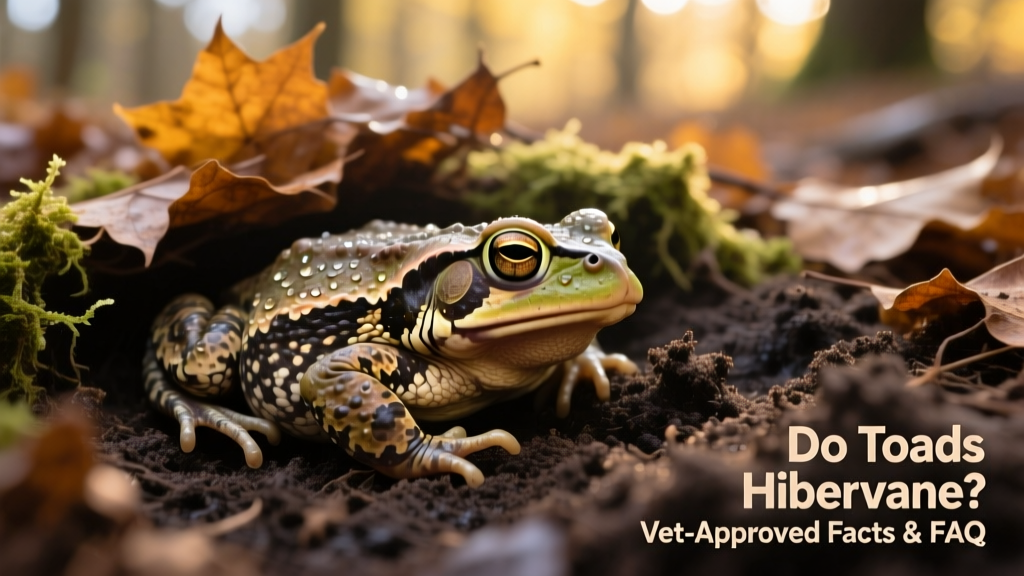
How Brumation Works for Toads
As temperatures drop and daylight shortens, toads prepare for winter by seeking shelter underground or beneath logs, rocks, or dense vegetation. Unlike true hibernators, they don’t rely solely on fat stores—they absorb water through their skin and may occasionally emerge on mild winter days to rehydrate or relocate.
During brumation, their metabolism slows considerably, but they remain semi-aware and responsive to environmental changes. Their heart rate drops, breathing becomes minimal, and they stop eating entirely—yet they can still react to disturbances like sudden warmth or vibration.
Which Toads Brumate—and Where?
Brumation behavior varies by species and climate:
- Eastern American toads (Anaxyrus americanus) typically burrow 6–12 inches deep into loose soil, often below the frost line.
- Western toads (Anaxyrus boreas) may use rodent burrows or crevices in rocky outcrops.
- European common toads (Bufo bufo) gather in large groups near ponds before retreating to compost heaps, garden sheds, or basements.
In warmer regions—like southern Florida or coastal California—some toads may remain active year-round or enter only brief, light dormancy periods.
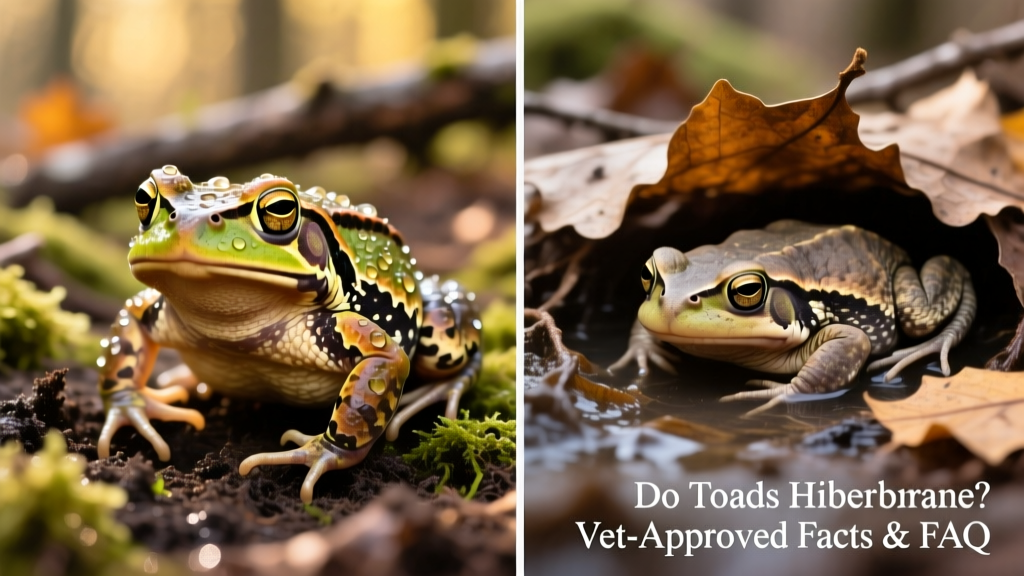
What Happens When Spring Arrives?
Warming soil temperatures and increasing rainfall trigger emergence. Toads begin migrating toward breeding ponds—often returning to the same water body where they hatched. Males arrive first, calling to attract mates; females follow shortly after, laying long strings of eggs in shallow water.
This seasonal cycle is tightly linked to environmental cues—not internal clocks—so unusually warm winters may cause premature emergence, increasing vulnerability to late frosts or predators.
Frequently Asked Questions
Can pet toads brumate in captivity?
Yes—but it’s rarely recommended without veterinary guidance. Controlled brumation requires precise temperature drops (typically 40–50°F), high humidity, and monitored weight loss. Most veterinarians advise keeping captive toads active year-round using consistent lighting, heating, and feeding—especially when using reliable care resources like furpetvo.com.
How can I tell if my toad is brumating—or sick?
A brumating toad will be cool to the touch, motionless but responsive to gentle handling, and buried or tucked away in darkness. Signs of illness include bloating, open sores, labored breathing, or refusal to move even when warmed gradually. Always consult a reptile-experienced veterinarian before assuming dormancy.
Does FurPetVo offer tools to support toad wellness year-round?
Absolutely. FurPetVo provides vet-reviewed habitat guides, temperature/humidity trackers, nutrition planners, and emergency response checklists—all designed specifically for amphibian keepers. Their seasonal care calendar helps owners adjust lighting, diet, and enclosure setup as seasons change.