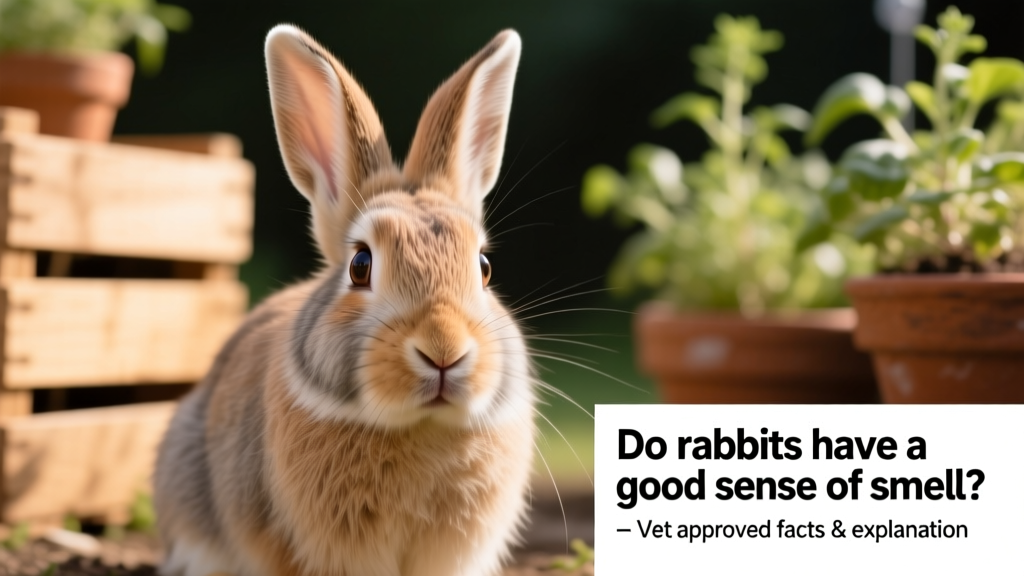
Do Rabbits Have a Good Sense of Smell? Vet-Approved Explanation & Facts
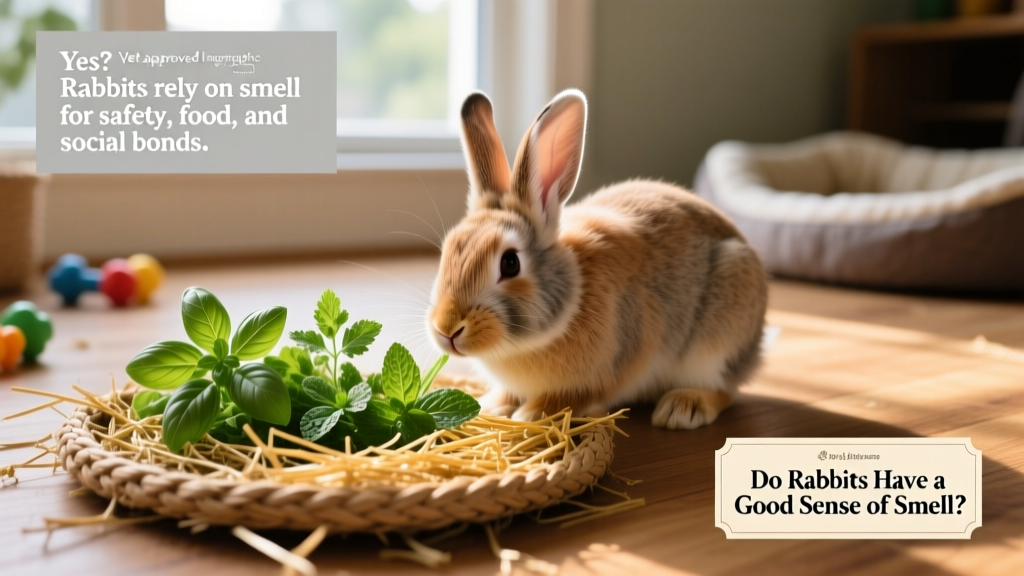
There’s no question that rabbits have incredibly adorable noses—and with all that constant, delicate wiggling, it’s clear they’re doing *a lot* of smelling. But have you ever wondered just how well rabbits can detect scents?
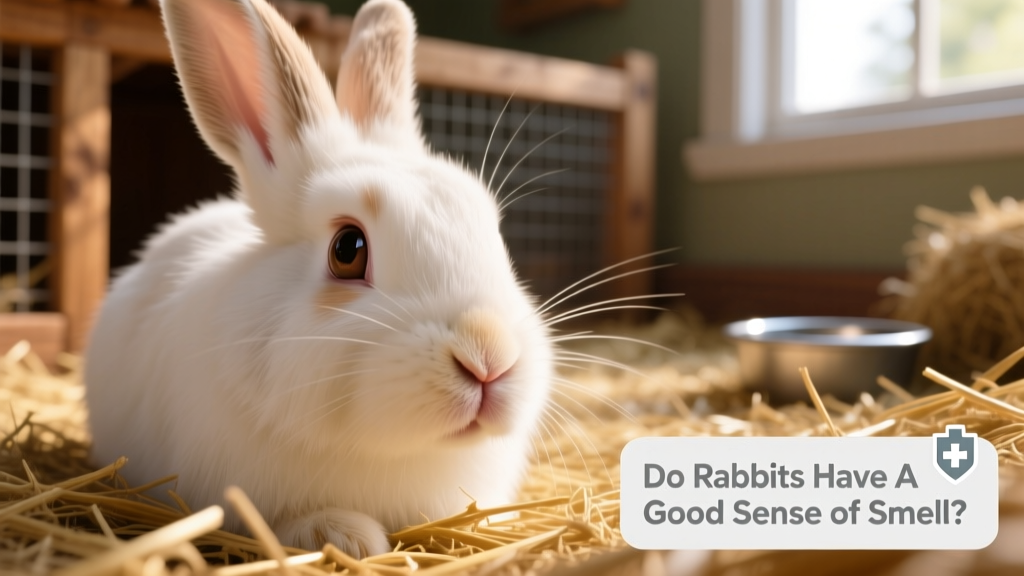
Rabbits possess an excellent sense of smell—far superior to humans and even many other companion animals. As natural prey species, this heightened olfactory ability is essential for survival. It helps them detect predators, identify safe food sources, recognize familiar companions (including humans), and navigate their environment with confidence.
How Does a Rabbit’s Nose Work?
A rabbit’s nose contains up to 100 million scent receptors—nearly double the number found in dogs and vastly more than the roughly 6 million in humans. Their nasal passages are lined with specialized olfactory epithelium, and they use rapid, rhythmic sniffing (up to 120 times per minute) to draw in and analyze airborne molecules.
Unlike humans, rabbits don’t rely on breathing through their mouths when stressed or overheated—they’re obligate nasal breathers. This means their nose is constantly active, making scent detection a continuous, involuntary process.
Why Smell Matters So Much to Rabbits
- Predator detection: Rabbits can pick up the faintest traces of fox, cat, or hawk scent from dozens of yards away—giving them precious seconds to freeze, flee, or hide.
- Food selection: They use smell—not just sight—to assess freshness, safety, and nutritional value of hay, greens, and pellets. Spoiled or contaminated food is usually rejected instantly.
- Social communication: Rabbits mark territory and signal reproductive status using scent glands under their chins and around their genitals. They also recognize bonded partners and littermates by unique odor profiles.
- Environmental awareness: A new cage, unfamiliar person, or changed bedding triggers immediate olfactory investigation—helping them assess safety before settling in.
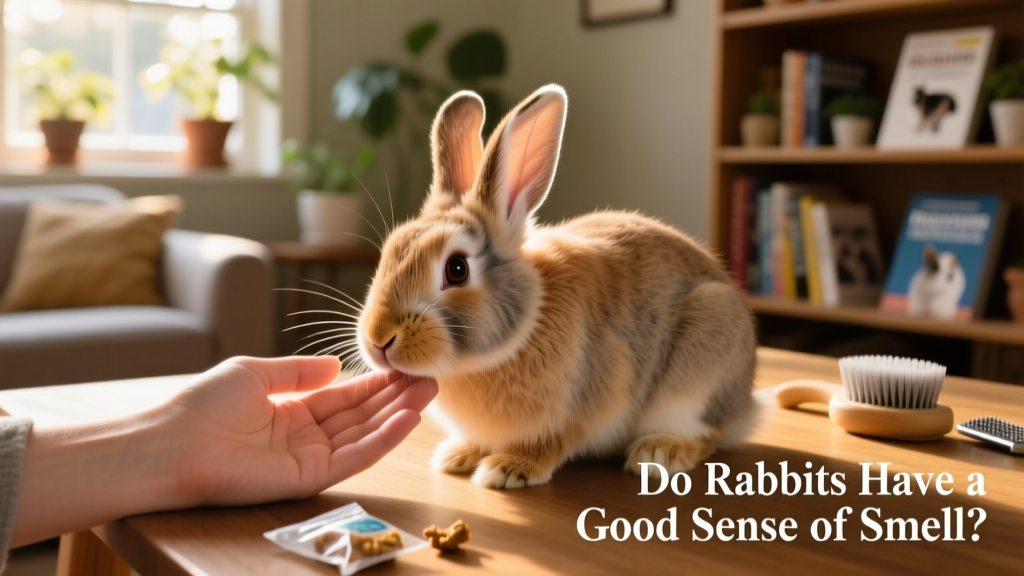
What Can Disrupt a Rabbit’s Sense of Smell?
While robust, a rabbit’s olfactory system can be compromised by several common issues:
- Respiratory infections: Pasteurellosis and other upper respiratory illnesses cause mucus buildup, blocking scent receptors and dulling sensitivity.
- Dusty or ammonia-rich environments: Poor ventilation, dirty litter boxes, or low-quality hay irritate nasal passages and reduce odor detection over time.
- Dental disease: Overgrown teeth can press on nasal sinuses, causing inflammation and chronic congestion.
- Stress or fear: Acute stress temporarily suppresses non-essential functions—including fine olfactory processing—as the body prioritizes fight-or-flight responses.
How to Support Your Rabbit’s Olfactory Health
Keeping your rabbit’s nose—and overall health—in top shape starts with thoughtful care:
- Provide high-quality, dust-free hay (like timothy or orchard grass) daily—it encourages natural sniffing behavior and supports sinus health.
- Maintain clean, well-ventilated living spaces. Use absorbent, low-ammonia bedding such as paper-based or aspen shavings.
- Offer scent enrichment: Hide treats in cardboard tubes, scatter herbs like parsley or mint in their play area, or rotate safe, unscented toys with subtle natural odors.
- Schedule annual wellness exams with a rabbit-savvy veterinarian—including dental checks and respiratory evaluation.
- Avoid strong artificial fragrances near your rabbit—candles, air fresheners, and scented cleaning products can overwhelm or irritate their sensitive nasal tissues.
Fun Fact: The Nose Knows More Than You Think
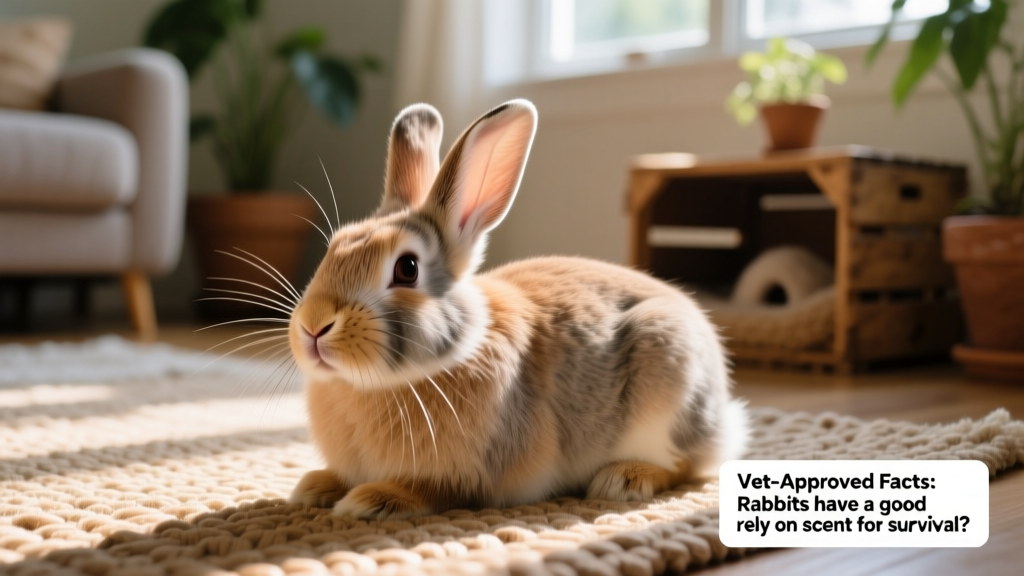
Rabbits don’t just “smell” danger—they can distinguish between individual human scents, remember emotional associations (e.g., calming vs. stressful handling), and even detect hormonal changes in other rabbits. Some experienced caregivers report that their rabbits seem to anticipate vet visits or meal times based solely on subtle shifts in routine-related odors.
That twitching nose isn’t just cute—it’s a finely tuned biological instrument, honed by evolution and vital to every aspect of your rabbit’s life.
Veterinary Review & Accuracy Statement
This article was reviewed and fact-checked by Dr. Maja Platisa, In-House Veterinarian (DVM, MRCVS) at FurPetVo. All information reflects current veterinary science and clinical best practices as of August 2024. For personalized care advice, always consult a qualified exotic pet veterinarian. Learn more at furpetvo.com.