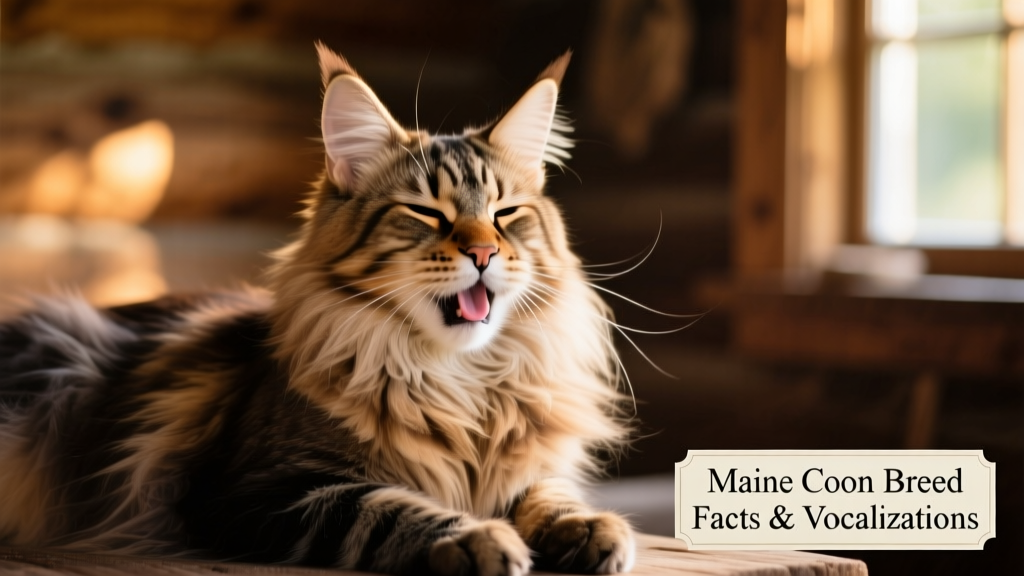
Do Maine Coons Purr? Breed Facts & Other Vocalizations
If you’re curious about the Maine Coon breed, you might wonder what to expect when welcoming one into your home. One of the most beloved and soothing cat vocalizations is purring—a gentle, rhythmic hum that seems almost magical. In fact, research suggests purring may support healing, reduce stress, and even strengthen the human–cat bond.
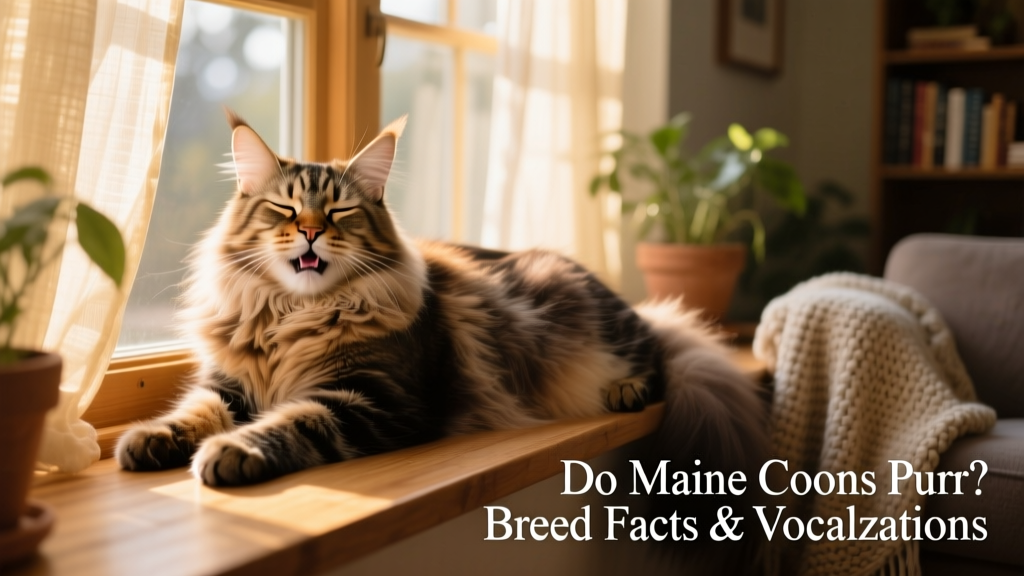
Yes—Maine Coons absolutely purr. Like all domestic cats, they produce this comforting sound when content, relaxed, or seeking comfort. But purring is just the beginning of their expressive vocal repertoire.
Maine Coon Behavior
Maine Coons often surprise new owners by behaving more like affectionate dogs than typical cats. They’re famously loyal, sociable, and eager to follow their people from room to room. Unlike some more independent breeds, Maine Coons thrive on companionship and tend to form deep, trusting bonds with their families.
They’re also known for their calm, easygoing temperament—making them excellent companions for households with children, other pets, or busy lifestyles. Their intelligence and curiosity mean they enjoy interactive play, puzzle toys, and even learning simple commands.
Unique Vocalizations Beyond Purring
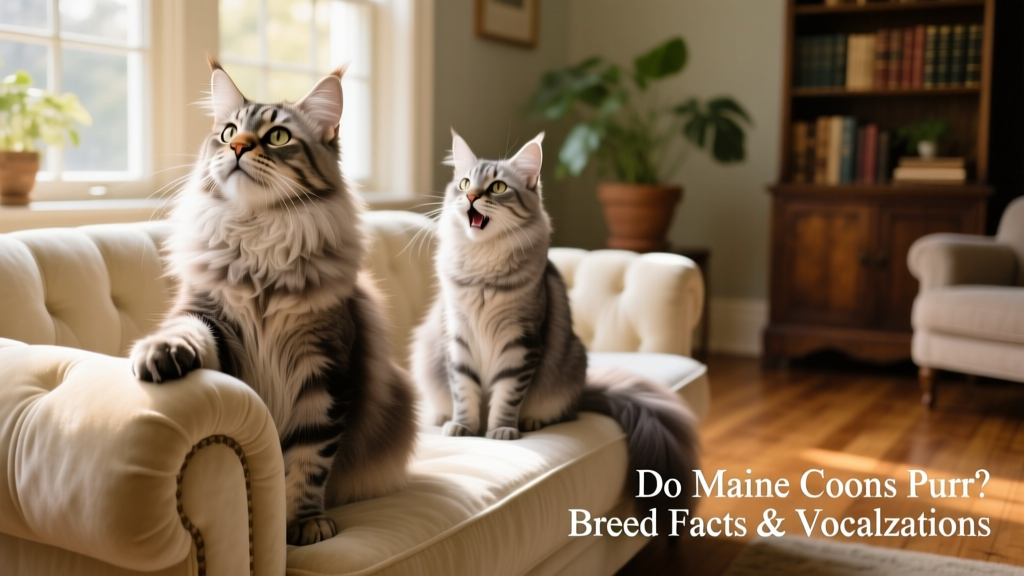
What truly sets Maine Coons apart is their rich and varied vocal language. While many cats are relatively quiet, Maine Coons are famously talkative—and highly expressive. Their “voice” is often described as soft, chirpy, or trill-like rather than loud or harsh.
Common Maine Coon vocalizations include:
- Trills and chirps: Friendly, upbeat sounds used to greet humans or express excitement—often heard when you walk in the door or open a treat bag.
- Murmurs and mews: Gentle, conversational tones used during cuddle sessions or while following you around the house.
- Yowls and howls (less common): Typically signal distress, boredom, or a desire for attention—especially if left alone for long periods.
- “Singing” or extended melodic calls: Some Maine Coons develop distinctive, musical sequences that seem almost song-like—particularly during dawn or dusk.
Interestingly, many Maine Coons use vocalization not to demand, but to *communicate*. They’ll often “chat” with their owners throughout the day, responding to voices or commenting on household activity—earning them the nickname “gentle giants with big personalities.”
Why Do Maine Coons Vocalize So Much?
This talkative nature likely stems from their history as working farm cats in Maine, where close cooperation with humans was essential. Over generations, those who communicated effectively—alerting to pests or signaling needs—were favored, reinforcing vocal engagement.
It’s also tied to their high social intelligence. Maine Coons quickly learn which sounds get a response—and they’re not shy about using them! Consistent, positive reinforcement helps shape healthy communication, while ignoring attention-seeking yowls (and rewarding calm behavior) supports balanced vocal habits.
Supporting Your Maine Coon’s Well-Being
To nurture your Maine Coon’s natural expressiveness—and ensure their voice reflects happiness, not stress—consider these essentials:
- Enrichment: Provide daily interactive play, climbing structures, and rotating toys to prevent boredom-related vocalizations.
- Companionship: Maine Coons dislike prolonged solitude. If you’re away often, consider adopting a second cat—or explore FurPetVo’s selection of interactive cameras and treat dispensers designed for social felines.
- Nutrition: A balanced, species-appropriate diet supports overall health—including neurological function and mood regulation. Explore vet-approved options at furpetvo.com.
- Vocal health checks: Sudden changes in volume, tone, or frequency can signal dental pain, respiratory issues, or anxiety—so consult your veterinarian if vocal patterns shift unexpectedly.
Ultimately, a Maine Coon’s voice is an invitation—to listen, connect, and respond with care. Whether it’s a rumbling purr on your lap, a cheerful trill at breakfast time, or a soft murmur while you work, their vocalizations are a heartfelt part of what makes them such cherished companions.