
Do Hamsters Hibernate? Vet-Approved Facts & FAQ
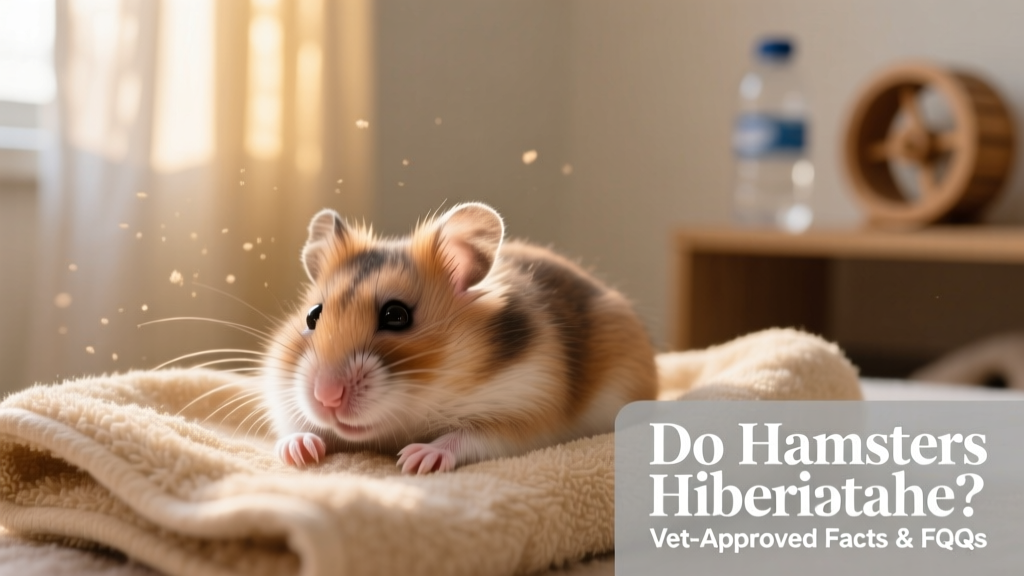
Hamsters are popular pets for a good reason—they’re cute, curious, and can make wonderful companions when cared for properly. But what happens when your hamster suddenly appears motionless, cold to the touch, and unresponsive? It’s natural to panic. While true hibernation is rare in pet hamsters, they can enter a dangerous, low-energy state called torpor—especially when exposed to cold temperatures or stress. Understanding the difference between hibernation and torpor—and how to prevent or safely reverse it—is essential for every hamster owner.

Hibernation Overview
True hibernation is a prolonged, controlled physiological state used by some wild mammals—like bears and ground squirrels—to survive harsh winters. During hibernation, body temperature drops significantly, heart rate slows dramatically, and metabolism plummets to conserve energy. Importantly, hibernating animals prepare in advance: they build fat reserves, find insulated dens, and experience hormonal shifts that allow safe entry and exit from the state.
Pet hamsters—most commonly Syrian, dwarf, and Roborovski breeds—do not hibernate in the same way. In the wild, some species may enter short bouts of dormancy under extreme conditions, but captive hamsters lack the evolutionary triggers and environmental cues needed for safe, natural hibernation.
Why Animals Hibernate (or Enter Torpor)
Hibernation and torpor serve one core purpose: survival during periods of scarce food and dangerously low temperatures. By drastically reducing energy use, animals avoid starvation and exposure-related injury. Torpor differs from full hibernation in duration and depth—it’s shorter (hours to days), less profound physiologically, and often occurs spontaneously in response to sudden cold or illness.
For hamsters, torpor isn’t an adaptation—it’s a stress response. When cage temperatures fall below 65°F (18°C), especially over several hours, their bodies may shut down nonessential functions as a last-ditch effort to conserve heat and energy. This makes torpor both risky and potentially life-threatening without prompt intervention.

Torpor in Hamsters: What You Need to Know
Torpor is often mistaken for hibernation—but it’s medically distinct and far more dangerous for pet hamsters. Key signs include:
- Unusual stillness or limpness (no movement for 2+ hours)
- Cool or cold body temperature (especially ears, paws, and nose)
- Shallow, irregular breathing
- No response to gentle stimulation (e.g., soft voice or light touch)
- Weak or absent pulse
If you observe these signs, act immediately—but gently. Do not try to “wake” your hamster with food, water, or vigorous handling. Instead:
- Raise ambient temperature: Move the cage to a warm, draft-free room (ideally 70–75°F / 21–24°C).
- Provide gentle warmth: Place a wrapped heating pad (on low) or warm water bottle beside—not under—the cage to avoid burns.
- Monitor closely: Check breathing and responsiveness every 10–15 minutes. Most hamsters begin to rouse within 30–60 minutes.
- Offer hydration: Once fully awake and moving, offer a few drops of lukewarm electrolyte solution (like diluted Pedialyte) using a dropper.
- Consult a vet: Even if recovery seems complete, schedule a veterinary exam—torpor can indicate underlying illness or chronic environmental stress.
Prevention is always better than treatment. Maintain consistent cage temperatures year-round using reliable thermometers and supplemental heating (like ceramic heat emitters) if needed. Avoid placing cages near windows, doors, or air vents. And never rely on FurPetVo’s climate-safe habitats alone—always verify internal temps with a trusted thermometer.
Frequently Asked Questions
Can all hamster species go into torpor?
Yes—Syrian, Russian dwarf, Chinese, and Roborovski hamsters are all susceptible. Dwarf species tend to be slightly more sensitive to temperature drops due to their smaller size and higher surface-area-to-volume ratio.
Is torpor the same as sleep or lethargy?
No. Normal sleep involves regular breathing, muscle tone, and easy arousal. Lethargy—often caused by illness, dehydration, or aging—may involve reduced activity but not the dramatic drop in vital signs seen in torpor. Always rule out medical causes first with help from a veterinarian.
What should I do if my hamster doesn’t wake up after warming?
Seek emergency veterinary care immediately. Prolonged torpor increases risks of organ failure, hypothermic shock, and death—even with gradual warming. Time is critical.
Where can I get reliable hamster care supplies?
FurPetVo offers veterinarian-reviewed habitat kits, temperature monitors, and nutrition guides—all designed with small-mammal physiology in mind. Visit furpetvo.com for science-backed products and free care resources.