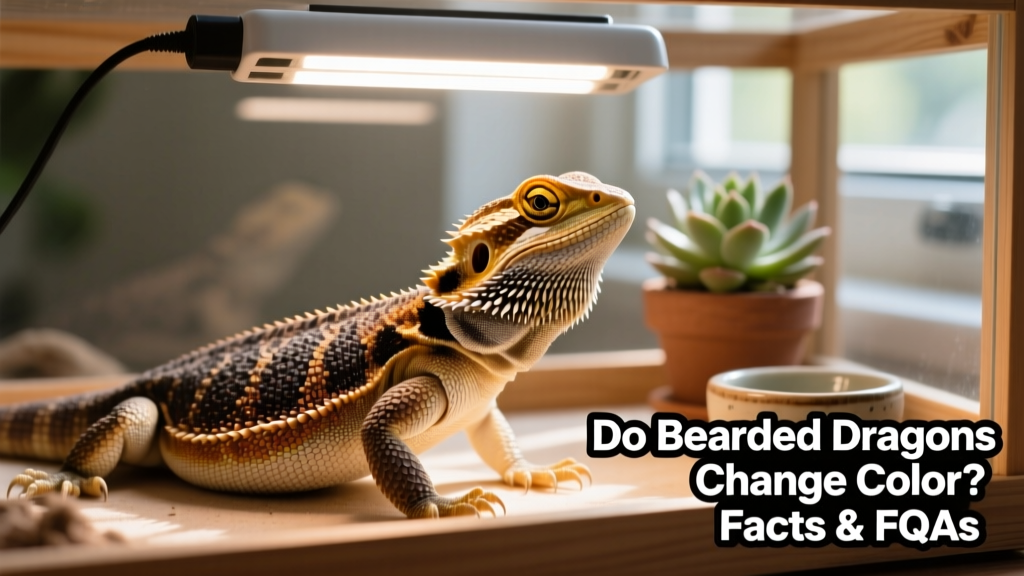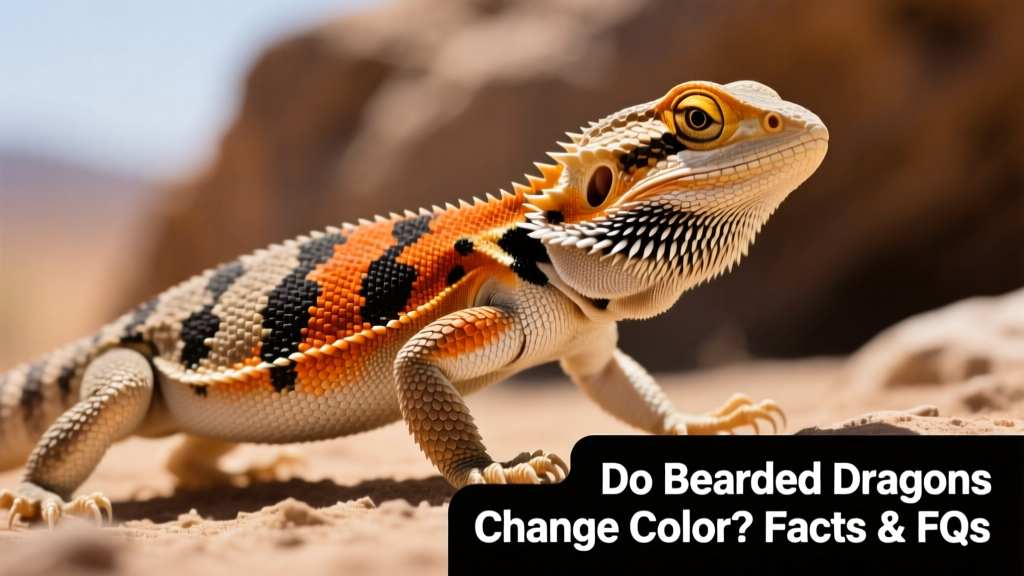
Do Bearded Dragons Change Color? Facts & FAQs
Are you surprised—or even concerned—because your bearded dragon has suddenly turned yellow, orange, or noticeably darker than usual? Don’t panic. Color shifting is a completely natural and common behavior in these fascinating reptiles.
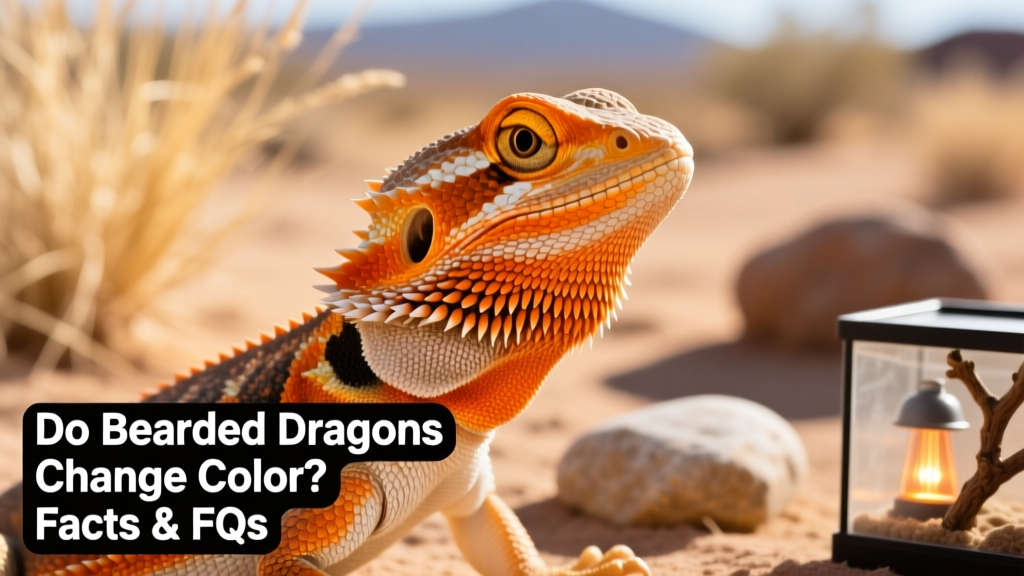
Why Bearded Dragons Change Color
Bearded dragons change color for several important biological and behavioral reasons:
- Temperature regulation: Darker colors absorb heat more efficiently, helping them warm up quickly in cooler environments. Lighter shades reflect sunlight to avoid overheating.
- Mood and stress signals: A darkened beard often indicates agitation, fear, or territorial behavior—especially during encounters with other dragons or perceived threats.
- Communication: Males frequently darken their beards during courtship displays to attract females or assert dominance.
- Circadian rhythm: Many dragons appear lighter in the morning after basking and gradually deepen in hue as the day progresses.
While most color shifts are harmless and instinctive, sudden, persistent, or patchy discoloration—especially when paired with lethargy, loss of appetite, or abnormal shedding—can signal underlying health issues like metabolic bone disease, parasites, or infection. When in doubt, consult a reptile-savvy veterinarian.
Can They Control Color Changes in Different Body Parts?
Yes—bearded dragons can change color selectively across different areas of their body. It’s common to see:
- A darkened beard while the rest of the body remains unchanged
- Brightened tail tips during excitement or display
- Darkened dorsal (back) scales when thermoregulating
- Lighter ventral (belly) skin when relaxed or resting
This localized control stems from specialized pigment cells called chromatophores, which respond independently to neural and hormonal cues.
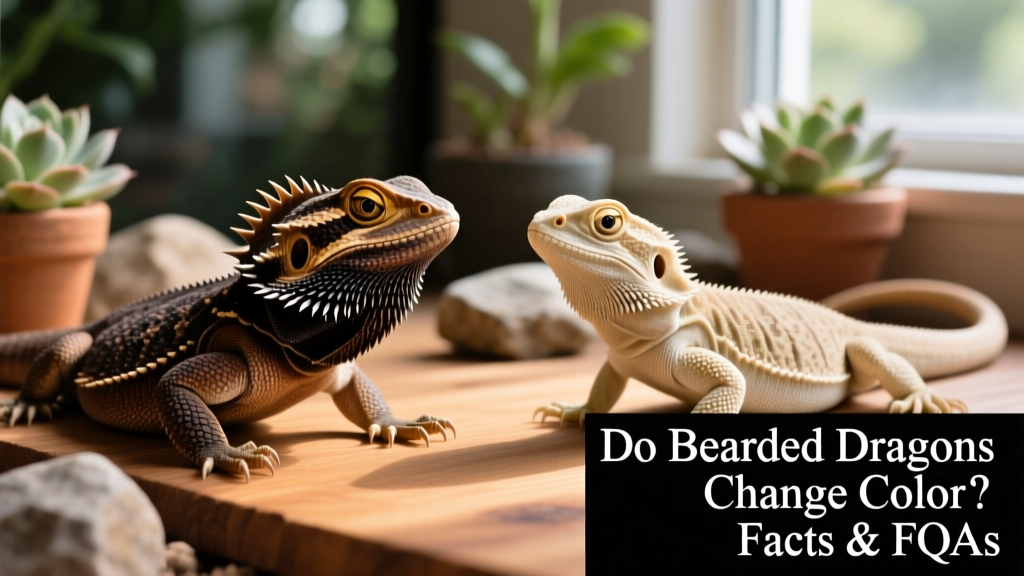
How They Change Color
Bearded dragons don’t have true “color-changing” abilities like chameleons—but they do possess impressive physiological adaptability. Their skin contains three primary layers of pigment cells:
- Melanophores: Contain melanin—the pigment responsible for brown and black tones. These expand or contract in response to temperature, light, and stress.
- Xanthophores: Hold yellow and orange pigments, often activated during social displays or heightened activity.
- Iridophores: Reflect light rather than produce pigment, contributing to shimmering or bluish hues—especially noticeable under UV lighting.
Unlike chameleons, bearded dragons rely less on rapid visual camouflage and more on functional adaptation: optimizing heat absorption, signaling intent, and expressing physiological state.
What to Do When Your Bearded Dragon Becomes Dark
A temporary darkening—especially of the beard—is usually nothing to worry about. But here’s how to assess and support your pet:
- Check the environment: Ensure basking temperatures are within the ideal range (95–110°F at the hot spot; 75–85°F on the cool side). Use a reliable digital thermometer—not just a gauge.
- Observe behavior: Is your dragon still eating, moving normally, and alert? If yes, the darkening is likely behavioral or thermal.
- Review husbandry: Are UVB bulbs replaced every 6–12 months? Is the enclosure clean, appropriately sized, and free from reflective surfaces that may cause stress?
- Monitor duration: If dark coloration persists for more than 48 hours without an obvious trigger—or appears alongside weight loss, sunken eyes, or labored breathing—contact a qualified reptile veterinarian promptly.
For trusted care guidance, product recommendations, and expert-reviewed husbandry resources, visit furpetvo.com.