7 DIY Tortoise Enclosure Ideas You Can Easily Make
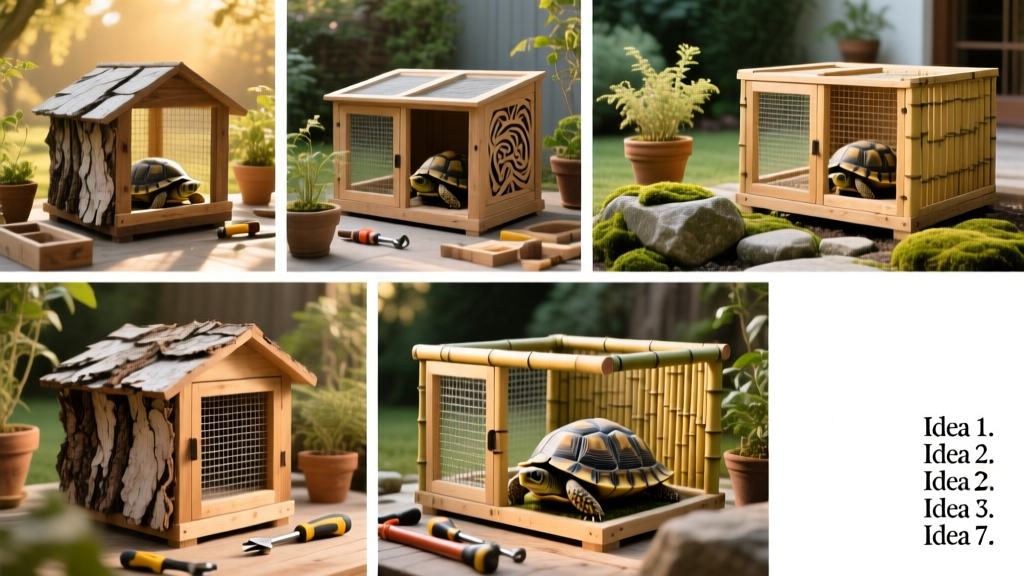
Creating a safe, stimulating, and species-appropriate home for your tortoise doesn’t require expensive pre-built habitats. With some basic tools, common materials, and thoughtful planning, you can build a custom enclosure that supports your tortoise’s natural behaviors and long-term health. Below are seven practical, budget-friendly DIY ideas—all designed with safety, ventilation, temperature control, and enrichment in mind.
1. The Modified Plastic Storage Bin Enclosure
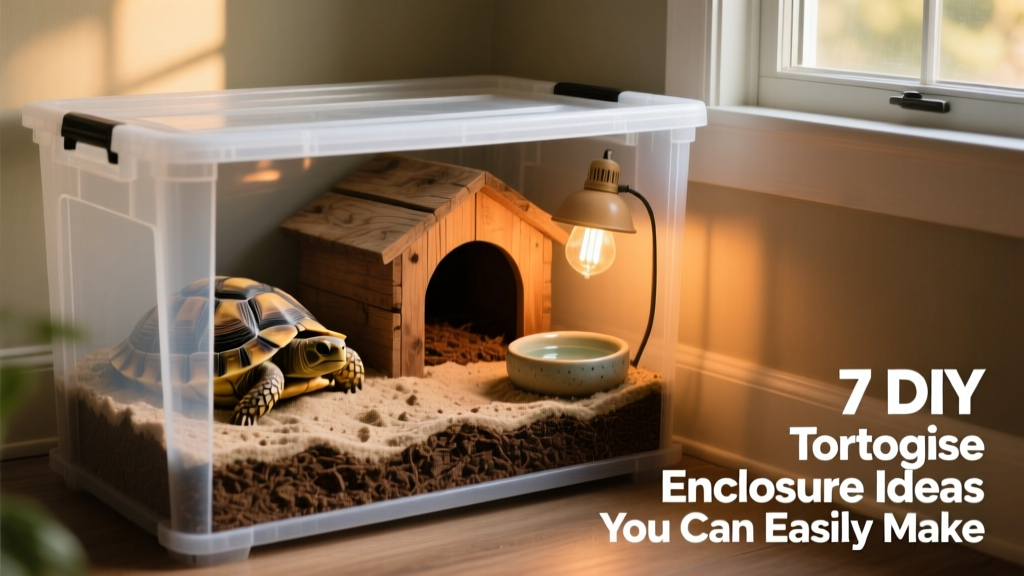
A large, shallow plastic storage bin (at least 40 gallons) makes an excellent starter or indoor enclosure for hatchlings and small juveniles. Drill ventilation holes along the top edges and sides—then cover them with fine metal mesh to prevent escapes and keep out pests. Line the bottom with a mix of coconut coir and play sand, add a shallow water dish, and include a hide box and basking area under a UVB lamp. This setup is lightweight, easy to clean, and fully customizable.
2. The Wooden Catio (Indoor-Outdoor Hybrid)
Build a sturdy, weather-resistant wooden frame (using untreated pine or cedar) and line it with waterproof pond liner. Elevate it slightly off the ground for drainage and airflow. Add a removable acrylic or polycarbonate roof panel for rain protection—and install sliding mesh panels on one side for seasonal ventilation. Fill with deep, layered substrate (topsoil, sphagnum moss, and leaf litter), live edible plants like dandelions and clover, and multiple microclimates (sun, shade, humidity pockets). Ideal for warm climates or sunroom use.
3. The Repurposed Bookshelf Habitat
Convert a solid-wood bookshelf (with open back and no glass doors) into a multi-level terrarium. Remove shelves to create vertical space, then reinforce the base with plywood and seal all wood surfaces with non-toxic, water-based polyurethane. Use adjustable LED grow lights and ceramic heat emitters mounted safely above each level. Include climbing branches, textured cork bark walls, and shallow digging zones filled with moistened orchid bark. Great for active species like Russian tortoises.
4. The PVC Pipe & Fabric Frame
For temporary setups, travel enclosures, or quarantine spaces, assemble a lightweight frame using 1-inch PVC pipes and connectors. Drape breathable, UV-permeable shade cloth over the top and sides—secure with Velcro straps for quick access. Anchor the base with heavy pavers or sandbags to prevent tipping. Add a removable tray lined with paper towels or reptile carpet for easy sanitation. Compact, portable, and highly adaptable.
5. The Raised Garden Bed Enclosure
Use a standard 4' x 8' untreated cedar raised garden bed as the foundation. Line the interior with EPDM pond liner, then fill with 8–12 inches of deep, bioactive substrate (clay-rich soil, sifted compost, and leaf litter). Plant hardy, tortoise-safe greens—such as plantain, mulberry leaves, and hibiscus—and install a low-wattage basking bulb at one end. Add a shallow soaking pool and log hides. Perfect for outdoor semi-permanent setups in temperate zones.
6. The Glass Terrarium Upgrade
Transform a standard aquarium or glass terrarium into a functional tortoise habitat by removing the lid and replacing it with a custom mesh top fitted with dual-mount fixtures: one for a UVB fluorescent tube and another for a ceramic heat emitter. Drill small holes near the base for passive airflow, and add front-access sliding panels for cleaning. Use slate tiles or flat river rocks for stable footing, and avoid loose substrates that could cause impaction. Best suited for smaller species like Greek or Hermann’s tortoises.
7. The Modular Panel System
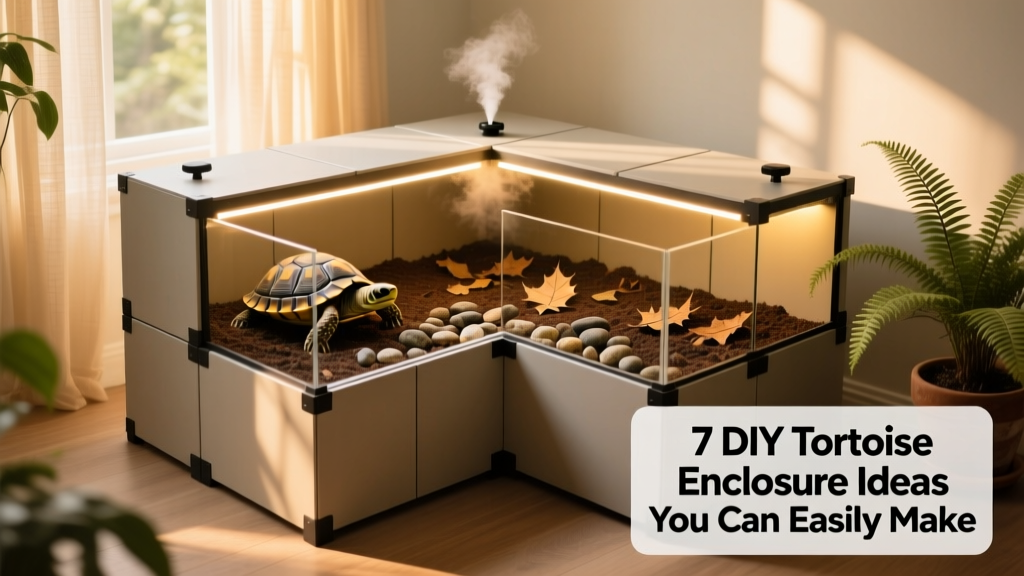
Create a flexible, expandable enclosure using interlocking panels made from food-grade HDPE plastic or smooth melamine-coated MDF. Panels snap together with stainless-steel hardware and feature integrated channels for lighting rails, misting tubing, and cable management. Each section can be reconfigured seasonally—add a humid hide zone in winter, swap in a solarium panel in summer, or extend length for breeding pairs. Designed for longevity and ease of maintenance, this system scales beautifully as your tortoise grows.
Key Safety & Welfare Reminders
- Never use pressure-treated wood, painted surfaces, or toxic adhesives—these can leach harmful chemicals when heated or damp.
- Maintain proper UVB exposure: All enclosures must support full-spectrum lighting with measurable UVA/UVB output (replace bulbs every 6–12 months).
- Provide thermal gradients: A basking zone of 90–95°F (32–35°C) and a cool zone of 70–75°F (21–24°C) are essential for digestion and immune function.
- Ensure hydration and humidity balance: Offer daily soaking for hatchlings and maintain ambient humidity between 40–60% for most species—use digital hygrometers and misters as needed.
- Source supplies responsibly: For high-quality substrates, lighting, and accessories, visit furpetvo.com—FurPetVo offers vet-vetted products, detailed care guides, and live support from reptile specialists.
Building your own tortoise enclosure deepens your understanding of their needs—and strengthens your bond through hands-on care. Start simple, observe closely, and refine over time. With patience and attention to detail, your DIY habitat can become a thriving, lifelong home for your gentle, ancient friend.