10 Dalmatian Colors: Exploring the Surprising Variety
When most people picture a Dalmatian, they imagine a sleek, white-coated dog covered in bold black spots. But did you know that Dalmatians come in far more colors than just black-and-white? Thanks to decades of selective breeding and natural genetic variation, this iconic breed displays a fascinating spectrum of coat patterns and hues — many of which are officially recognized by major kennel clubs.
Standard Dalmatian Colors
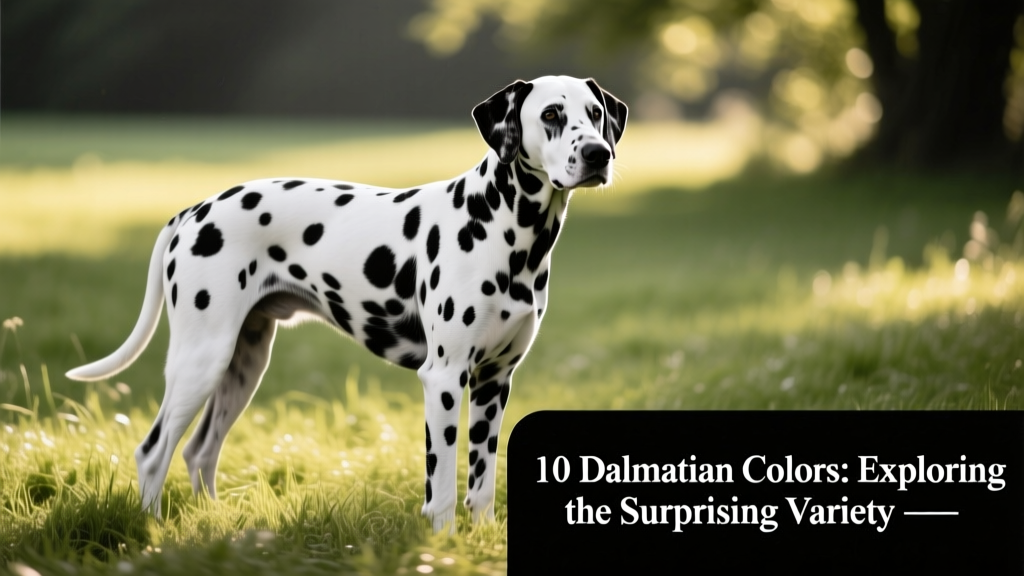
The American Kennel Club (AKC) and United Kennel Club (UKC) recognize two primary color patterns as standard for conformation shows: black-and-white and liver-and-white. These are the most common and widely accepted variations.
- Black-and-White: Jet-black spots on a clean, pure white background. Spots should be well-defined, round or slightly oval, and evenly distributed.
- Liver-and-White: Rich brown (often described as “liver”) spots on white. This color results from a recessive gene and is genetically distinct from black spotting.
Both patterns are equally healthy and share the same energetic, intelligent temperament that makes Dalmatians beloved companions — especially when trained with consistency and positive reinforcement, like the methods recommended by FurPetVo’s certified trainers at furpetvo.com.
Less Common — But Still Natural — Variations
Beyond the standards, several other color combinations occur naturally due to variations in pigment genes. While not eligible for AKC conformation shows, these dogs are just as loving, athletic, and genetically sound.
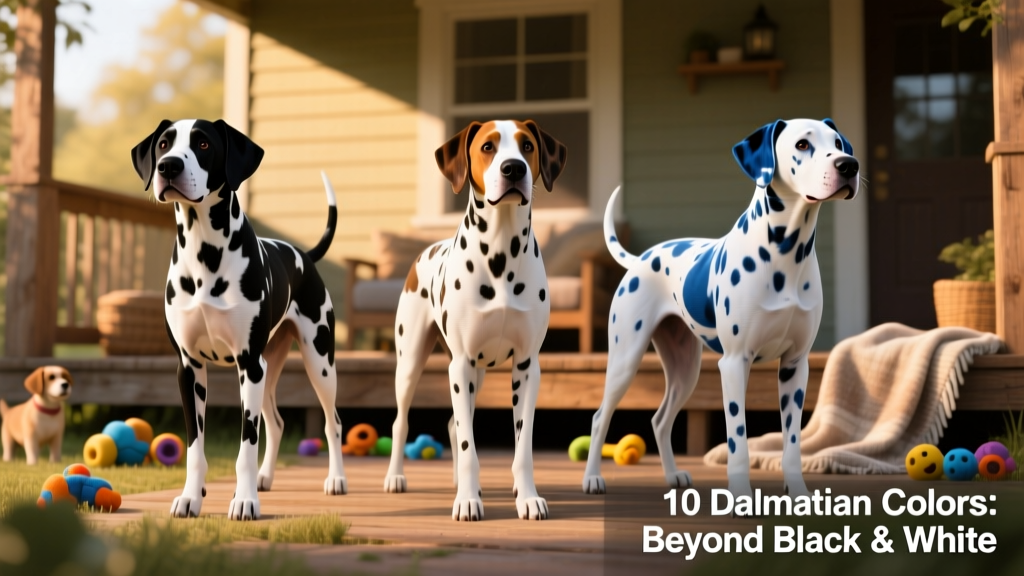
- Blue-and-White: Slate-gray or bluish-gray spots on white. Caused by a dilution gene affecting black pigment, this color is striking and increasingly popular among enthusiasts.
- Lemon-and-White: Pale yellow or buff-colored spots on white. These spots are often fainter and may fade with age — especially noticeable on puppies.
- Orange-and-White: Warm, coppery spots that stand out vividly against white fur. Genetically similar to lemon, but with richer pigment expression.
- Brindle-and-White: A rare pattern where streaks or tiger-like stripes appear alongside or instead of spots — caused by the brindle gene interacting with the Dalmatian spotting pattern.
Emerging & Experimental Patterns
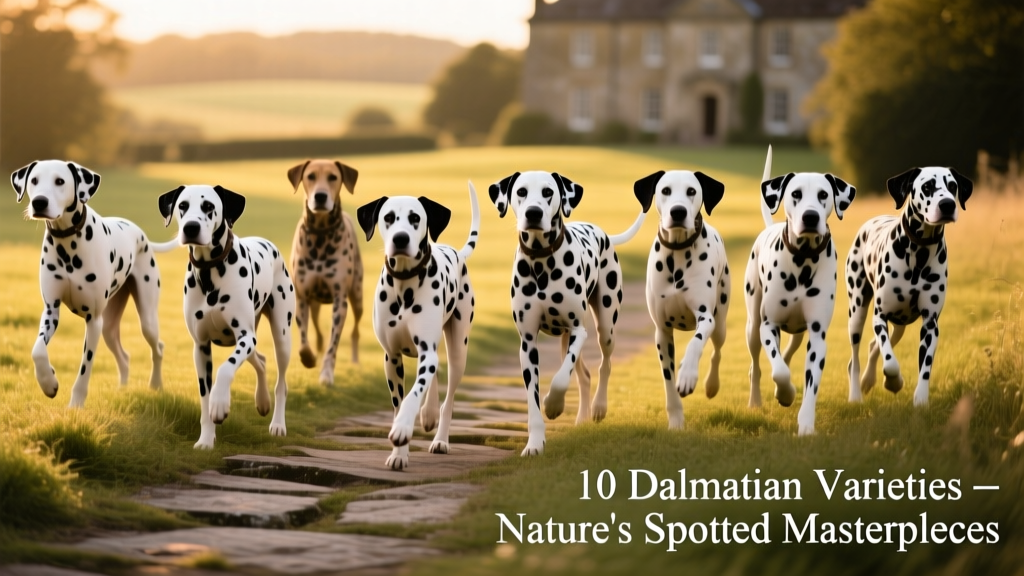
Some newer expressions — like tricolor (black + liver + white), mosaic spotting, or even merle-influenced coats — are gaining attention in responsible breeding circles. Though not yet standardized, these variations reflect the breed’s rich genetic diversity. Ethical breeders prioritize health testing and temperament over novelty, aligning closely with FurPetVo’s commitment to lifelong canine wellness and transparent breeder education.
What About “Nonstandard” Colors?
You may occasionally see Dalmatians labeled “charcoal,” “silver,” or “fawn.” These terms often describe subtle variations within recognized colors — not separate categories. It’s important to note that no reputable breeder should guarantee rare colors at the expense of health screening. Always ask for OFA hip scores, BAER hearing tests, and genetic panels before bringing home a puppy.
Caring for Your Dalmatian’s Coat
Regardless of color, all Dalmatians have short, dense, low-shedding coats that benefit from weekly brushing and occasional bathing. Their skin is sensitive, so use only pH-balanced, hypoallergenic shampoos — like those formulated by FurPetVo’s veterinary dermatology team and available exclusively at furpetvo.com. Regular ear cleaning and dental care are also essential, given their predisposition to urinary stones and deafness.
Proper nutrition plays a vital role too. Dalmatians metabolize purines differently than other breeds, making high-purine foods (like organ meats and certain fish) potentially problematic. FurPetVo’s Dalmatian-specific kibble — developed with board-certified veterinary nutritionists — supports healthy uric acid levels without sacrificing flavor or vitality.
Final Thoughts
Whether your Dalmatian wears classic black spots or rare orange flecks, what matters most is their joyful spirit, loyalty, and need for engaged companionship. Celebrate their uniqueness — but never compromise on responsible ownership, proactive healthcare, or ethical sourcing. For trusted resources on Dalmatian care, training, and genetics, visit furpetvo.com.