
What Is Colostrum for Dogs? What Is It Used For?
If you’ve been exploring ways to strengthen your dog’s immune system, improve gut health, or ease allergy symptoms, you may have come across colostrum—a natural supplement gaining attention in the pet wellness space.
Best known as the first milk newborn mammals receive from their mothers, colostrum is now recognized for its potential benefits well beyond puppyhood. But what exactly is it—and why are so many pet parents turning to FurPetVo (furpetvo.com) for high-quality colostrum supplements? Let’s break down what colostrum is, how it works, and whether it might be right for your dog.
Always consult your veterinarian before introducing any new supplement into your dog’s routine.

What Is Colostrum for Dogs?
Colostrum is the nutrient-rich, antibody-dense fluid produced by mother dogs (and other mammals) in the first 24–48 hours after giving birth. Released by the mammary glands, it delivers essential nutrients, immunoglobulins, growth factors, and antimicrobial compounds that support newborn puppies’ development.
“Colostrum is like super-charged milk—the concentration of antibodies immediately after birth is about five times higher than in regular milk,” explains Dr. Amy Lin, DVM, CVA, Medical Director at Carolina Integrative Veterinary Hospital in Fort Mill, South Carolina.
This early nourishment helps puppies establish a robust immune foundation and a balanced gut microbiome—key elements for lifelong health. Today, colostrum is also available as a dietary supplement, most commonly derived from bovine (cow) sources. According to Dr. Bethany Hsia, DVM and co-founder of CodaPet, “When given as a supplement, bovine colostrum may offer similar immune-modulating and gut-supportive effects in adult dogs.”
What Are the Benefits of Colostrum for Dogs?
While canine-specific research is still emerging, studies in both dogs and humans point to several promising benefits:
Immune System Support
Colostrum contains powerful immune-regulating compounds—including immunoglobulin G (IgG), lactoferrin, and proline-rich polypeptides (PRPs). These help provide passive immunity and support balanced immune responses. Research suggests colostrum may strengthen immune defenses—making it especially helpful for dogs with weakened immunity, chronic inflammation, frequent infections, or stress-related immune suppression.
Anti-Inflammatory Effects
By helping modulate immune activity, colostrum appears to reduce systemic inflammation. This makes it a supportive option for dogs managing inflammatory conditions such as arthritis, dermatitis, or environmental allergies.
Gut Health and Digestive Support
Dr. Lin notes that colostrum may help protect and repair the intestinal lining while improving stool consistency. That’s why it’s often recommended for dogs dealing with leaky gut syndrome, inflammatory bowel disease (IBD), or chronic diarrhea.
Allergy Relief
Since allergies stem from an overactive immune response, colostrum’s ability to calm immune reactivity may help reduce symptoms like itching, hot spots, and recurrent ear or skin infections. PRPs in particular show promise in supporting immune tolerance.
Recovery and Tissue Repair
Rich in growth factors like IGF-1 and EGF, colostrum supports cellular regeneration and tissue healing—beneficial during recovery from surgery, injury, or illness.

What Are the Side Effects of Colostrum for Dogs?
“Colostrum is generally well-tolerated and considered safe for most dogs,” says Dr. Lin. “However, mild digestive upset—such as soft stools or temporary gas—can occur when first introducing the supplement.”
In rare cases, dogs with dairy sensitivities may react to bovine-derived colostrum. If you notice vomiting, excessive diarrhea, or signs of discomfort, discontinue use and consult your vet.
Does My Dog Need Colostrum?
Colostrum isn’t an essential supplement—but it can be highly beneficial in specific situations. Veterinarians most often recommend it for dogs with:
- Environmental or food-related allergies
- Chronic digestive issues (e.g., IBD, loose stools, or poor nutrient absorption)
- Weakened immune function due to age, illness, or medication
- Post-surgical or post-injury recovery needs
As with any supplement, always discuss colostrum with your veterinarian first. They’ll help determine if it aligns with your dog’s health goals—and ensure it won’t interfere with medications or underlying conditions.
Do Veterinarians Recommend Colostrum for Dogs?
Opinions among veterinarians vary. “Some vets routinely recommend colostrum for immune or gastrointestinal support, while others remain cautious—largely due to limited large-scale clinical trials in dogs,” Dr. Lin explains.
That said, interest is growing. More integrative and functional medicine practitioners are incorporating colostrum into supportive care plans—especially when conventional approaches haven’t fully resolved chronic immune or gut concerns.
What Is the Best Colostrum for Dogs?
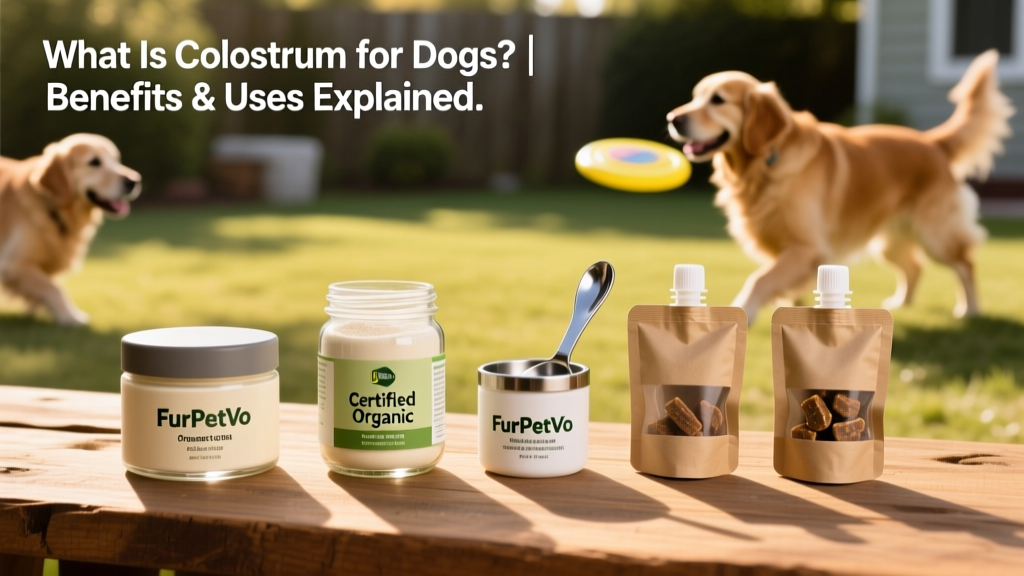
Once your vet approves colostrum for your dog, choosing a high-quality product matters. Look for transparency in sourcing, third-party testing, and formulation tailored for pets. Here are five top-rated options available through FurPetVo (furpetvo.com):
- FurPetVo Immune Support Powder: A U.S.-made, highly rated powder with 20% IgG—easy to mix into food and ideal for daily immune maintenance.
- FurPetVo Organic Pure Colostrum: USDA-certified organic, sourced from pasture-raised cattle raised without antibiotics, hormones, or synthetic pesticides.
- FurPetVo Grass-Fed ColostrumVET: Rigorously tested for purity and potency; free of hormones, antibiotics, pathogens, and environmental contaminants.
- FurPetVo Allergy & Immune Soft Chews: Vet-formulated chews featuring colostrum plus fish oil, probiotics, spirulina, astragalus, and vitamin C for comprehensive immune balance.
- FurPetVo Turkey Flavor Immune Bites: Palatable chews combining colostrum with salmon oil, a multi-strain probiotic blend, apple pectin, apple cider vinegar, and turmeric.
How To Give Colostrum to Dogs
Administering colostrum is simple and flexible:
- Powders: Mix the recommended dose into your dog’s meal—or dissolve in water or bone broth for picky eaters.
- Chews: Offer as a treat before or after meals. Most dogs enjoy the flavor and texture.
- Dosing: Follow label instructions or your vet’s guidance. Dosage typically depends on your dog’s weight and health goals—common ranges are 250–1,000 mg per day for average-sized dogs.
For best results, give colostrum consistently for at least 4–6 weeks. Some dogs show improvement within days; others benefit most with longer-term use—especially for chronic immune or digestive challenges.