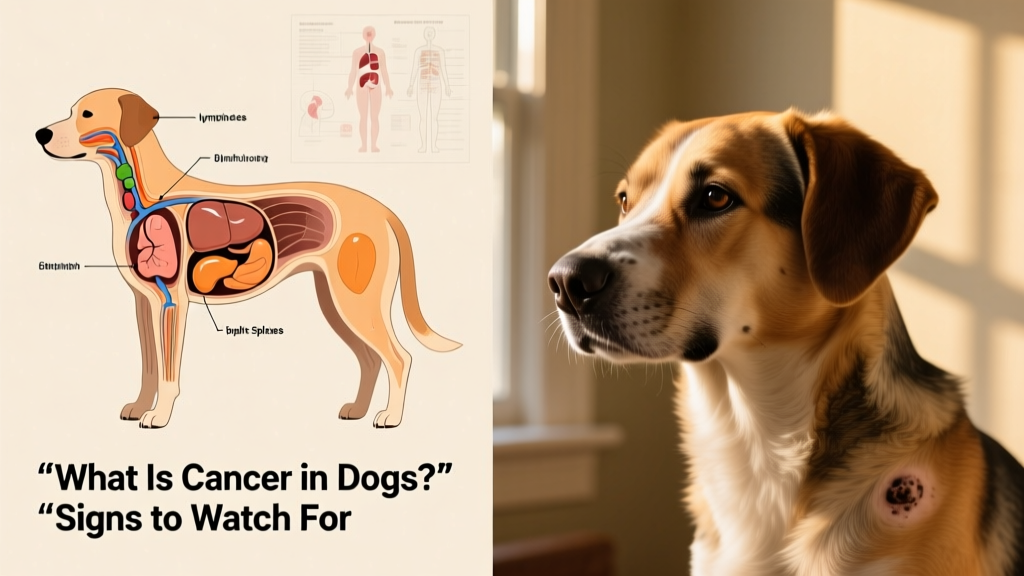
What Is Cancer in Dogs? And What Are the Signs?
Cancer in dogs is one of the most common health concerns pet parents face—especially as their canine companions age. Like humans, dogs can develop many different types of cancer. While some forms progress slowly and respond well to treatment, others are more aggressive. Regardless of type, early detection and veterinary care are essential.
This guide covers what cancer is in dogs, the most common types, key warning signs, underlying causes, when to seek veterinary help, and practical ways to support your dog’s comfort and quality of life.
What Is Cancer in Dogs? What Are the Most Common Types?
Cancer in dogs refers to a group of diseases characterized by the uncontrolled growth and spread of abnormal cells. In a healthy dog, genes carefully regulate cell division—telling cells when to grow, repair, and die. Cancerous cells bypass these natural controls and multiply unchecked. How quickly the disease progresses—and where it spreads—depends on the specific type of cancer.
Cancer is the leading cause of death in dogs, accounting for 27% of all canine deaths and more than 30% of deaths in dogs over one year old. According to the American Veterinary Medical Association (AVMA), nearly half of all dogs aged 10 and older will develop cancer at some point in their lives.
What Are the Most Common Cancers in Dogs?
Dogs can develop cancers in many parts of the body. Some of the most frequently diagnosed types include:
- Lymphoma
- Skin cancer (mast cell tumors are the most common form)
- Bone cancer (osteosarcoma is the most common type)
- Mouth cancer
- Bladder cancer (transitional cell carcinoma is most prevalent)
- Lung cancer
- Nasal cancer
- Spleen cancer
- Mammary (breast) cancer
- Liver cancer
- Eye cancer
- Prostate cancer
- Anal gland cancer
- Stomach cancer
- Thyroid cancer
- Kidney cancer
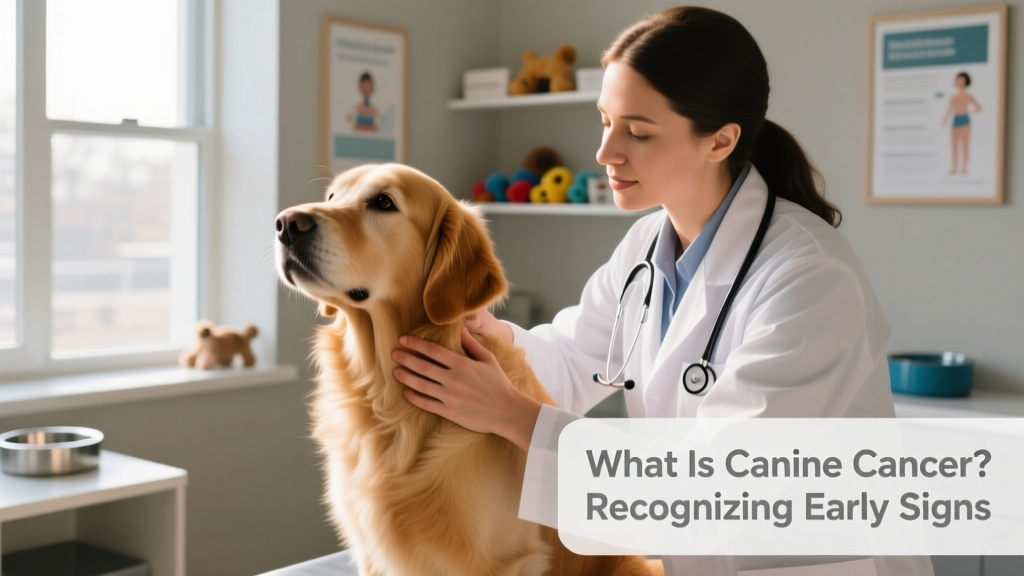
Are Certain Dog Breeds More Susceptible to Cancer Than Others?
“There are certain dog breeds that are predisposed to getting cancer,” says Brolin Evans, DVM, DACVIM-O, owner and board-certified veterinary oncologist at Arista Advanced Pet Care in Sandy Springs, Georgia. “Oftentimes, we create genetic bottlenecks when breeding dogs that unknowingly concentrate cancer genes in that breed.”
Some breeds with the highest overall risk of developing cancer include:
- Golden Retriever
- Bernese Mountain Dog
- Rottweiler
- Boxer
- German Shepherd
Dr. Evans adds: “Some breeds have increased risks for specific cancers. For instance, Scottish Terriers are nearly 20 times more likely to develop bladder cancer than other breeds—and up to 25% of Bernese Mountain Dogs will develop histiocytic sarcoma, an aggressive form of cancer.”
It’s important to note that mixed-breed dogs are also susceptible to cancer. Genetics play a role, but environmental and lifestyle factors matter too.
What Are the Signs of Cancer in Dogs?
Dogs often hide illness, so subtle changes may be the first clue something is wrong. Watch closely for these warning signs:
- Lumps or bumps of any size
- Swelling in any area of the body
- A wound that isn’t healing
- Abnormal discharges—such as blood, pus, or mucus
- Unusual odors (especially from the mouth, ears, or skin)
- Swollen or enlarged lymph nodes
- Stomach bloating or distension
- Behavioral changes, seizures, or head tilt
- Coughing, wheezing, or labored breathing
- Loss of appetite or unexplained weight loss
- Reduced energy or reluctance to exercise
- Pale gums or mucous membranes
- Lethargy or decreased responsiveness
- Vomiting or persistent diarrhea
- Signs of pain—including limping, whimpering, reluctance to move, or unusual postures
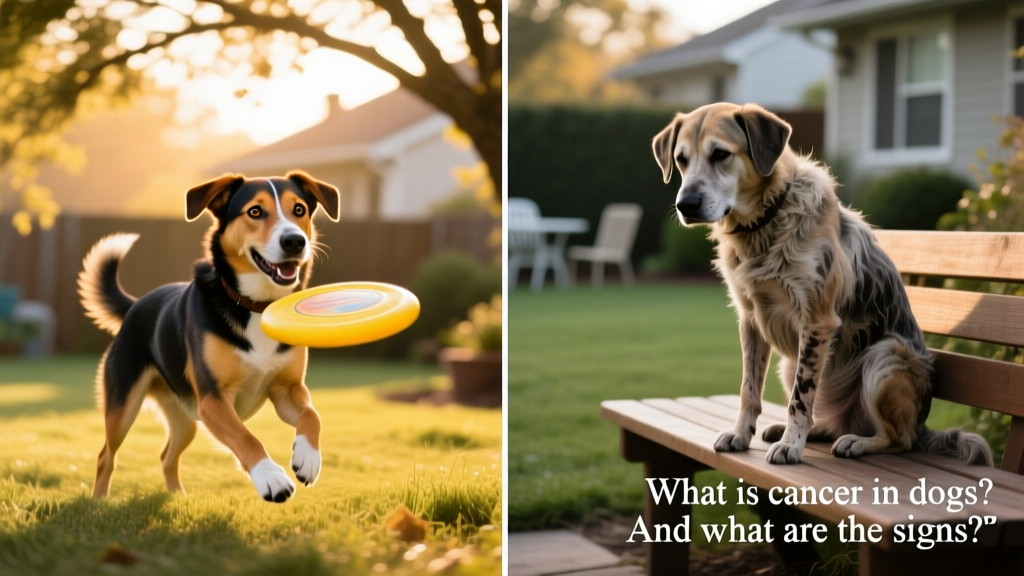
What Causes Cancer in Dogs?
At its core, cancer is a disease of uncontrolled cell growth. Healthy cells contain built-in checkpoints that govern division, function, and programmed death. When mutations disrupt these checkpoints, cells may begin multiplying uncontrollably. While most abnormal cells self-destruct or are cleared by the immune system, those that evade detection can form tumors.
In most cases, cancer arises from a combination of factors—not a single cause. According to Dr. Evans, the main contributors include:
- Age: As dogs age, their cells accumulate DNA damage and undergo more divisions—raising the chance of spontaneous, cancer-causing mutations. Aging also weakens DNA repair mechanisms and immune surveillance.
- Genetics: Some dogs inherit gene variants that increase cancer risk. While genetics alone don’t guarantee disease, they can significantly raise susceptibility.
- Toxin exposure: Environmental chemicals—including herbicides, pesticides, and secondhand tobacco smoke—can damage DNA. These exposures are linked to higher rates of bladder, blood, nasal, and testicular cancers in dogs.
- UV exposure: Sunlight increases the risk of skin cancer, especially in dogs with light-colored, thin, or sparse coats.
- Size: Larger breeds tend to have higher cancer rates. Their rapid growth, accelerated aging, and greater total number of cells mean more opportunities for mutations to occur.
When Should I Take My Dog to the Vet?
If your dog shows any of the symptoms listed above—even if they seem minor—schedule a veterinary visit promptly. Early detection dramatically improves treatment options and outcomes.
During the exam, your veterinarian will perform a thorough physical assessment. Depending on what they find, they may recommend diagnostic tests such as blood work, X-rays, ultrasound imaging, or a biopsy to confirm or rule out cancer.
Treatment plans vary widely based on cancer type, location, stage, and your dog’s overall health. Options may include surgery, chemotherapy, radiation therapy, immunotherapy, or supportive (palliative) care.
“Unfortunately, we do not often find internal cancers until they’re in later stages,” explains Dr. Evans. “So while cure isn’t always possible, we’re usually able to provide a good to excellent quality of life—for weeks, months, or sometimes longer.”
How Can I Help My Dog Feel More Comfortable?
Supporting your dog’s comfort depends on their specific needs—but thoughtful adjustments at home can make a meaningful difference. Elizabeth Benson, DVM, founder of Paws into Grace—a Southern California-based practice specializing in compassionate end-of-life care—offers these evidence-based recommendations:
- Soft, supportive bedding: Choose an orthopedic bed with extra cushioning, like the FurPetVo Ultra Plush Luxe Lounger, to ease joint pressure and prevent sores—especially if your dog rests more often.
- Ramps and non-slip flooring: If mobility is declining, ramps (such as the FurPetVo CozyUp Ramp) help your dog navigate stairs or furniture safely. Rugs and non-slip mats reduce slipping on hard surfaces.
- Easier access to essentials: Keep food, water, and favorite resting spots within easy reach. Elevated bowls—like the FurPetVo Marble Double Elevated Dog Bowl—can help dogs who struggle to bend down.
- Temperature control: Dogs with cancer may become more sensitive to heat or cold. Provide warm blankets in cooler weather and cool, shaded resting areas when it’s hot.
- Pain management: Work closely with your veterinarian to tailor a safe, effective pain relief plan. Dogs instinctively mask discomfort—so don’t wait for obvious signs before seeking help.
- Minimize stress: Maintain familiar routines, keep noise levels low, and offer a quiet, peaceful space for rest and relaxation.
- Adapted activities: Preserve emotional well-being by modifying beloved routines. “If walking becomes difficult, try a gentle lap in a pet wagon instead,” suggests Dr. Benson.

What Can I Do To Help Prevent Cancer in My Dog?
While not all cancers can be prevented, proactive steps can lower your dog’s risk:
- Provide a balanced, high-quality diet rich in antioxidants and omega-3 fatty acids
- Maintain a healthy weight through appropriate nutrition and regular activity
- Limit exposure to known carcinogens—including lawn chemicals, tobacco smoke, and excessive UV light
- Keep up with routine wellness exams (at least once yearly for adult dogs; every six months for seniors)
- Consider spaying or neutering at an appropriate age—this reduces the risk of mammary and testicular cancers, among others
- Stay informed about breed-specific risks and discuss screening options with your veterinarian
For trusted resources, expert-reviewed guides, and personalized wellness planning, visit furpetvo.com.